
Brief Summary
The video discusses the disastrous situation of the German Sixth Army during the Battle of Stalingrad in November 1942. After being encircled by the Soviet Operation Uranus, the army faced critical shortages of supplies. Despite warnings from General Paulus about dwindling resources and the need for a retreat, Hitler ordered them to hold their position and rely on aerial resupply, which proved insufficient. In preparation for a potential breakout, soldiers destroyed equipment and even winter clothing to maintain mobility, only to be trapped by Hitler's order, leading to immense suffering and death.
- Encirclement of the German Sixth Army by Soviet forces.
- Destruction of supplies, including winter clothing, to prepare for a potential breakout.
- Hitler's order to hold Stalingrad and the failure of aerial resupply.
The Encirclement of Stalingrad
In November 1942, the German Wehrmacht had captured most of Stalingrad. However, on November 19, the Soviet Union launched Operation Uranus, a counteroffensive involving over a million soldiers, supported by thousands of artillery pieces, tanks, and aircraft. These forces broke through the poorly equipped Romanian, Italian, and Hungarian units on the flanks of the German army. As a result, approximately 300,000 German and allied soldiers were encircled within Stalingrad.
Destruction of Supplies
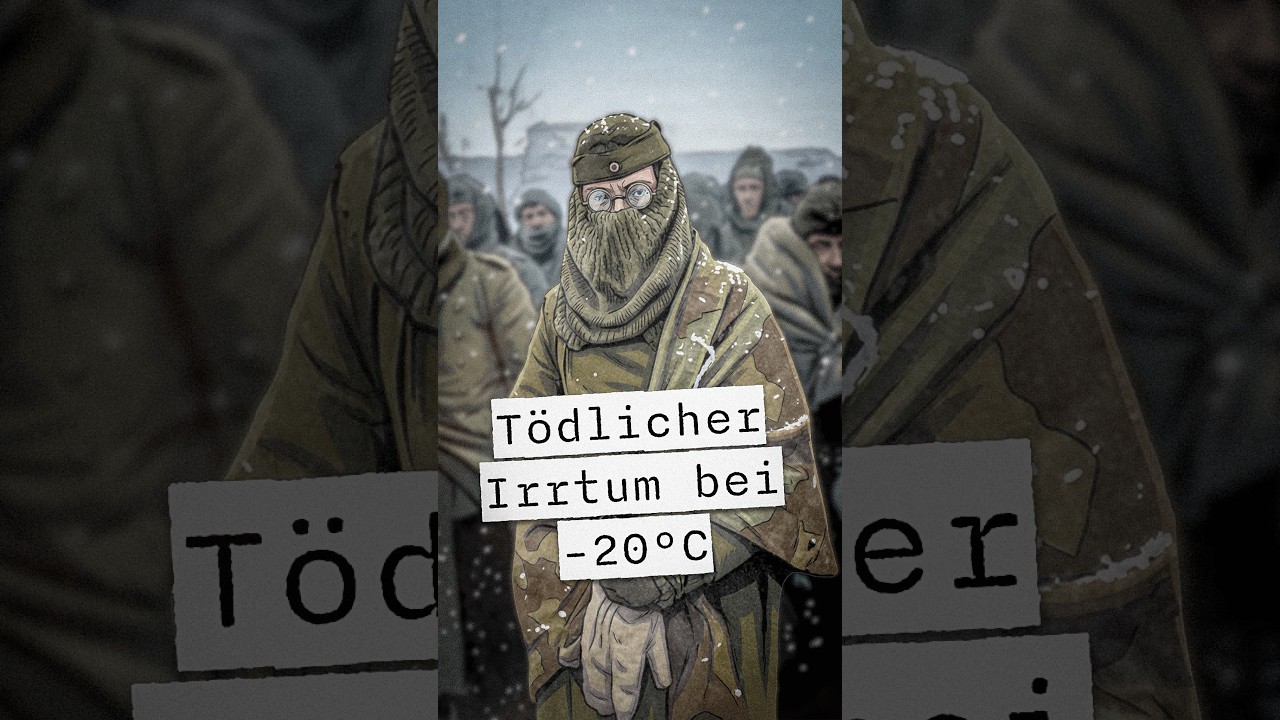
During the chaotic retreat, many German supply depots were blown up. This resulted in the destruction of around 40,000 fur coats, fur boots, and hundreds of thousands of other clothing items. Many soldiers were still in summer uniforms, facing the harsh Russian winter without adequate protection. On the evening of November 22, General Paulus reported that the army was encircled, fuel was running out, tanks and heavy weapons would soon be immobile, ammunition was low, and food would only last for six days. He requested the freedom to act if establishing a defensive hedgehog position failed.
Hitler's Order to Hold
Hitler promptly responded to Paulus's warning with an order to hold their position and await further instructions. A day later, Paulus warned that the situation was rapidly deteriorating and that the army was facing imminent destruction. He requested the removal of all divisions from Stalingrad and reinforcements from the northern front. Despite the generals on the ground believing they could convince Hitler to allow a retreat from Stalingrad, the Chief of the General Staff of the Army began preparations for a breakout.
Preparing for a Breakout
Joachim Wida recalled that in preparation for the anticipated operation, the order was given to render useless or burn any unnecessary equipment and material. Damaged guns, tanks, trucks, obsolete communication and pioneer equipment, and large quantities of clothing, files, papers, and even food were thrown into the flames. To maintain mobility, many soldiers even destroyed their winter clothing.
The Fateful Decision
On the morning of November 24, Hitler's decision arrived: Stalingrad was to be held, and the Sixth Army was to be supplied entirely by air. However, instead of the absolute minimum requirement of 300 tons per day, the encircled army received an average of barely 100 tons. The Sixth Army was inexorably heading towards its end. Hitler's promise to "hold out" became a cruel death sentence in the Russian snow for thousands of soldiers.

