
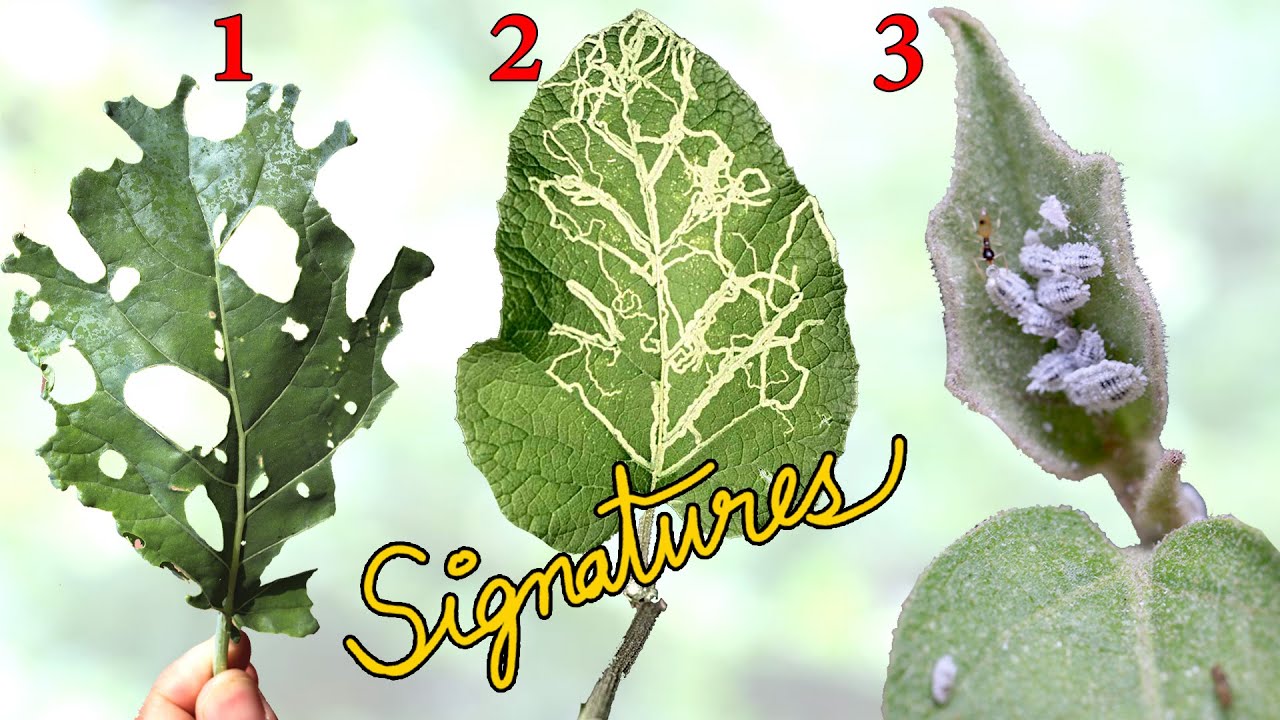
Brief Summary
This video provides a guide to identifying common garden pests and insects by examining the damage patterns they leave on plant leaves, known as "leaf signatures." It advises against immediate use of chemical pesticides, advocating for careful identification of the pest before taking action. The video details seven different types of leaf damage, their causes, and organic solutions for eliminating the responsible pests, emphasizing the importance of understanding these patterns for effective garden pest management.
- Identifying pests through leaf damage patterns.
- Organic solutions for pest control.
- Importance of identifying pests before applying treatments.
Zig Zag Leaf Mining Pattern
Zigzag patterns on leaves are caused by leaf miners, which are tiny larvae of insects like flies, moths, and beetles. While they don't cause significant harm to the plant, they make it look unattractive. To control them, spray Neem oil (5-10 ml per liter of water) mixed with a few drops of liquid soap once or twice a week.
Chewed Leaves or Slime Trails
Irregular holes in leaves, not along the edges, accompanied by slime trails indicate the presence of slugs and snails. Solutions include handpicking, electric copper wire fences, and beer traps. Beer traps, made by leaving out a saucer of beer overnight, are particularly effective in attracting and killing these pests.
Chewed Leaves Along the Edges
Leaves with chewed edges are typically the work of leaf-cutting bees. Unless the damage is extensive, no action is needed as these bees are beneficial insects that aid in pollination.
Chewed Leaves with Central Holes
Leaves with central holes between the veins, appearing skeletonized, are often caused by caterpillars, beetles, earwigs, and sawflies. For caterpillars, handpick and eliminate them along with their eggs. Follow this with a weekly spray of neem oil (10 ml) and liquid soap (10 drops) solution, ensuring thorough coverage including the undersides of the leaves.
Discoloured Leaves + Sucking Damage
Discolored leaves with sucking damage are commonly caused by thrips and spider mites, such as the Cuban Laurel Thrips. These pests can cause leaves to discolor and fold into pouches. Remove affected leaves or branches and burn them. Spray with neem oil, liquid soap, and a little clove or eucalyptus oil weekly. If the problem persists, consider chemical sprays containing Imidacloprid as a last resort.
Leaf Galls or Leaf Bumps
Leaf galls, which appear as tumor-like boils on the leaf surface, result from irritation or stimulation of plant cells due to feeding or egg-laying by insects like aphids, wasps, and mites.
Sucking Damage and Deformed Leaves and Leaf Curls
Sucking damage, deformed leaves, and leaf curls are caused by common sucking pests like aphids, whiteflies, and mealybugs. Mealybugs and aphids have a symbiotic relationship with ants, which protect them in exchange for honeydew. Treat with neem oil and liquid soap sprayed weekly. Leaf curl virus, seen in plants like peppers and tomatoes, requires isolation of the plant and a special treatment: a solution of 1 liter of sour buttermilk mixed with 1 teaspoon (5 grams) of Asafoetida powder, left to sit for 1-2 hours, sieved, and sprayed thoroughly every 3 days for 3-4 times.

