
Brief Summary
This video explains the concept of the common good, its historical roots, practical examples, strengths, weaknesses, and alternatives. The common good refers to shared benefits and resources that enhance the well-being of all community members, such as public parks, libraries, and transportation. While it promotes social unity and efficiency, it can also be slow to implement and may overlook individual needs. Alternatives include free market systems, private charity, and cooperative systems.
- Definition and historical context of the common good.
- Examples of the common good in action.
- Strengths and weaknesses of pursuing the common good.
- Alternatives to the common good approach.
Defining the Common Good
The common good encompasses the shared benefits, resources, and conditions that promote the well-being of all members within a community or society, rather than serving individual interests alone. This includes resources like clean air, public safety, education systems, and shared infrastructure accessible to everyone, regardless of personal circumstances. The common good prioritizes collective welfare over individual gain, suggesting that benefits to the entire community ultimately benefit its individual members. The concept dates back to ancient Greek philosophy, emphasizing collaboration for the benefit of the city-state, and evolved through medieval times with shared resources in villages and towns. Modern interpretations focus on shared public services and social systems.
Examples of the Common Good
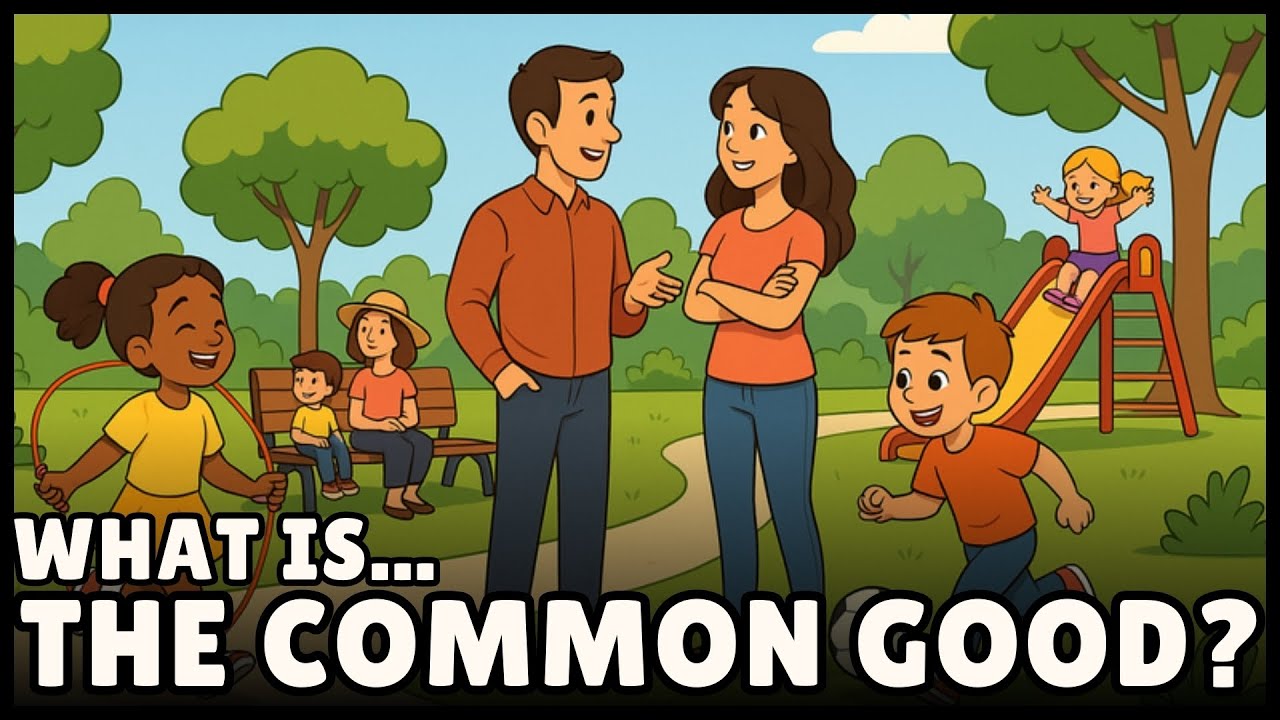
Public parks are excellent examples of the common good, providing open spaces for recreation and relaxation accessible to all. Public libraries offer another clear example, making knowledge and resources freely available to community members. Public transportation systems reduce traffic and pollution while providing mobility for everyone. Community recycling programs help maintain a clean environment for all residents.
Strengths of Pursuing the Common Good
One major advantage of pursuing the common good is that it promotes social unity and cooperation, encouraging people to work together toward shared goals rather than competing against each other. This approach tends to be more efficient, as shared resources can serve many people at once, reducing the need for individual solutions. Focusing on the common good often leads to more sustainable and long-term solutions to community challenges by considering the needs of the entire population rather than just a few individuals.
Challenges of the Common Good
One significant weakness of the common good approach is that it can sometimes move slowly because it requires agreement and cooperation from many different people. Focusing on collective benefits might occasionally overlook unique individual needs or preferences that don't align with the majority. The common good can also face the free rider problem, where some people might benefit from shared resources without contributing their fair share to maintain them.
Alternatives to the Common Good
One alternative to the common good approach is the free market system, which relies on individual choice and competition to meet people's needs. Another approach is the private charity model, where voluntary organizations rather than public institutions provide for community needs. Some communities also use cooperative systems, where smaller groups of people work together to meet their shared needs while maintaining more individual control than in larger public systems.

