
Brief Summary
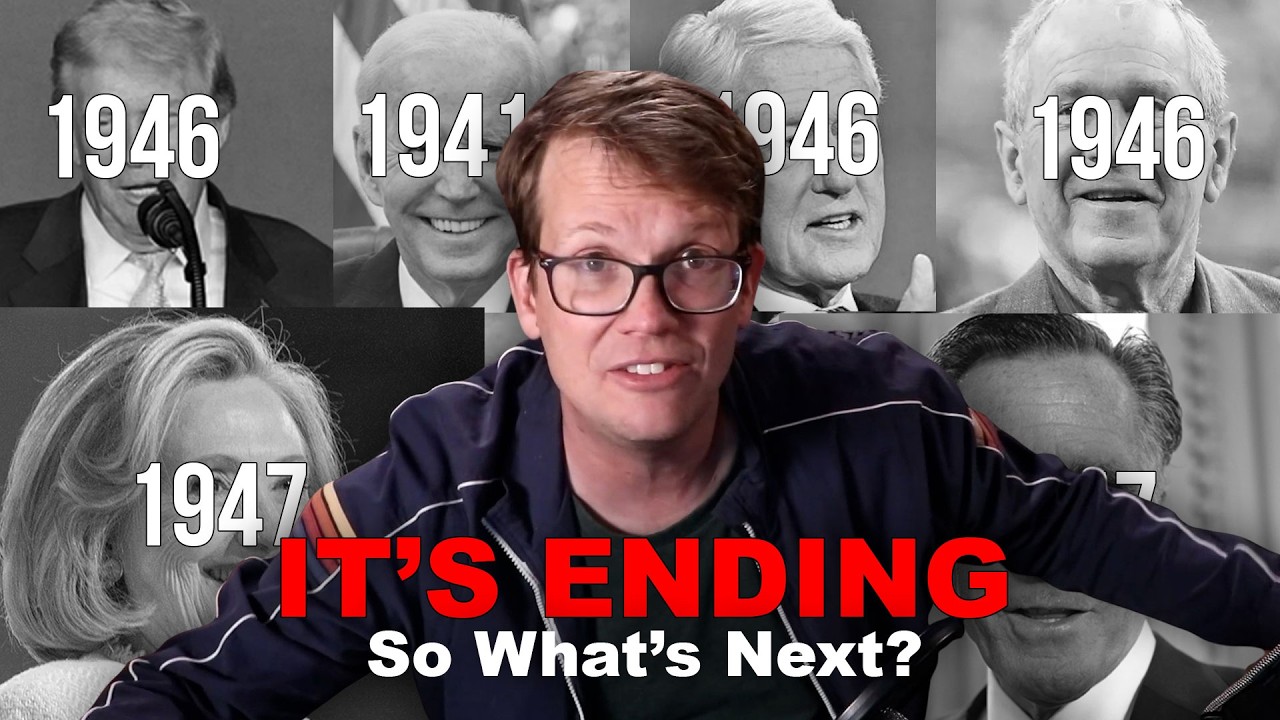
This video explores the shifting dynamics of American politics as the Baby Boomer generation's dominance wanes. It examines the factors that contributed to their long-standing influence, including increased longevity, structural advantages in the political system, and the power of nostalgia. The video also considers potential future directions for American politics, with a focus on the decline in trust in institutions and the rise of populism.
- The Baby Boomer generation has been a dominant force in American politics since the 1990s, but their influence is now declining.
- Factors contributing to the Boomers' long-standing power include increased longevity, structural advantages in the political system, and their significant wealth.
- The decline in trust in institutions and the rise of populism are key trends shaping the future of American politics.
Introduction: The End of Boomer Dominance
The video starts by noting that many prominent American political figures were born within a relatively short span of years, primarily during the Baby Boomer generation. This observation leads to a discussion about the significant influence the Baby Boomers have had on American politics for decades. However, the presenter suggests that this era of Boomer dominance is coming to an end, prompting an examination of the factors that contributed to their long-standing power and what the future might hold.
Sponsor Message: Ground News
The video includes a promotional message for Ground News, a platform designed to provide context and diverse perspectives on news stories. Ground News gathers related articles from various sources worldwide, offering information about the source's political leaning, reliability, factuality, and ownership. This allows users to compare coverage, understand the bigger picture, and identify news they might otherwise miss. The presenter highlights features like bias ratings, blind spot detection, and the ability to find sources that align with individual preferences.
Factors Behind Boomer Dominance: Biology, Structure, and Story
The video identifies three primary factors that have contributed to the Baby Boomers' extended hold on power in American politics: biology/medicine, structural advantages, and a unifying narrative. Increased longevity and better medical care have allowed older politicians to remain in office longer. The structure of the American political system, including gerrymandering and the advantages of incumbency, makes it difficult to unseat established politicians. Finally, the Boomers came of age during a period of American optimism and perceived moral certainty following World War II, which shaped their worldview and political goals.
Structural Advantages: Gerrymandering, Insiders, and Fundraising
The video goes into detail about the structural advantages that have helped the Baby Boomers maintain their political power. Gerrymandering has created safer congressional districts, reducing competition and increasing partisanship. Experienced insiders in Washington D.C. are better equipped to deliver for their districts, making them harder to challenge. Incumbents benefit from name recognition, established staff, media access, and fundraising networks. Additionally, older generations control a disproportionate share of political spending, further solidifying their influence.
The Boomer Myth and the Nostalgia Loop
The video explores the "boomer myth," a nostalgic vision of America in the 1950s as a unified, prosperous, and morally righteous nation. This myth, rooted in the Boomers' formative experiences, has influenced their political goals and decision-making. The presenter argues that American elections often feed off this nostalgia loop, with candidates appealing to a desire to recreate that idealized past. However, this vision is not shared by younger generations, who recognize that the "great" America of the 1950s was not great for everyone and that the world has changed significantly since then.
The End of an Era: A Chance for Something New
The video highlights the changing demographics in the House of Representatives, where Gen X now holds a majority. While the Boomers still control the Senate and the presidency, this shift suggests a potential end to their hegemonic control. The presenter acknowledges that many of the structures that favored the Boomers, such as longevity, money, and incumbency, will persist. However, the video expresses hope that the fraying of the American social fabric and the breaking of the Boomer hegemony could create an opportunity for something new in American politics.
Interview with Joshua Doss: The Future of American Politics
The video transitions into an interview with Joshua Doss, a pollster, to discuss the future of American politics. The conversation explores potential categories for future political actors, including populists, anti-establishment figures, and explainers. They discuss the decline in trust in institutions, the longing for a retrenchment of the status quo, and the need for authenticity in political communication.
The Decline of Institutions and the Rise of Populism
The discussion centers on the widespread distrust of institutions and how this trend is shaping the political landscape. The interviewees note that people are increasingly skeptical of traditional institutions like politics, religion, and academia. This distrust has fueled the rise of populism, with candidates like Donald Trump and Bernie Sanders tapping into the public's anger and frustration with the status quo. The conversation explores the different forms that populism can take, from identifying marginalized groups as enemies to challenging powerful elites.
Authenticity, Explainers, and the Need for New Narratives
The interviewees discuss the importance of authenticity in political communication, noting that voters are drawn to candidates who appear genuine and relatable. They also highlight the role of "explainers," politicians who can effectively communicate complex issues and offer clear solutions. The conversation emphasizes the need for new narratives that address the challenges facing America, particularly economic inequality and the erosion of trust in institutions.
The Future of the Right and the Potential for Left-Wing Populism
The discussion shifts to the future of the Republican Party, with the interviewees questioning whether the MAGA tone will persist after Donald Trump leaves the political stage. They suggest that the next phase of Republican politics may involve a move away from Trump's personality-driven populism. The conversation also explores the potential for a powerful left-wing populism, focusing on issues like economic justice, universal healthcare, and the need to address systemic inequalities.
Taxing the Billionaires and Rebuilding Democracy
The interviewees discuss potential solutions to the challenges facing America, including taxing the wealthy and rebuilding democracy. They argue that billionaires have shown a willingness to degrade democracy and become oligarchs, making it essential to regulate their power and wealth. The conversation also touches on the need to address corporatism and promote competition in the economy.
Conclusion: The Unsustainable Level of Inequality
The video concludes by emphasizing the unsustainable level of inequality in America and the potential for history to repeat itself. The interviewees draw parallels to past periods of economic upheaval, such as the Great Depression, and warn of the dangers of unchecked corporate power and political corruption. The video ends with a call for action, urging viewers to engage in conversations about the future of America and to work towards creating a more just and equitable society.

