
Brief Summary
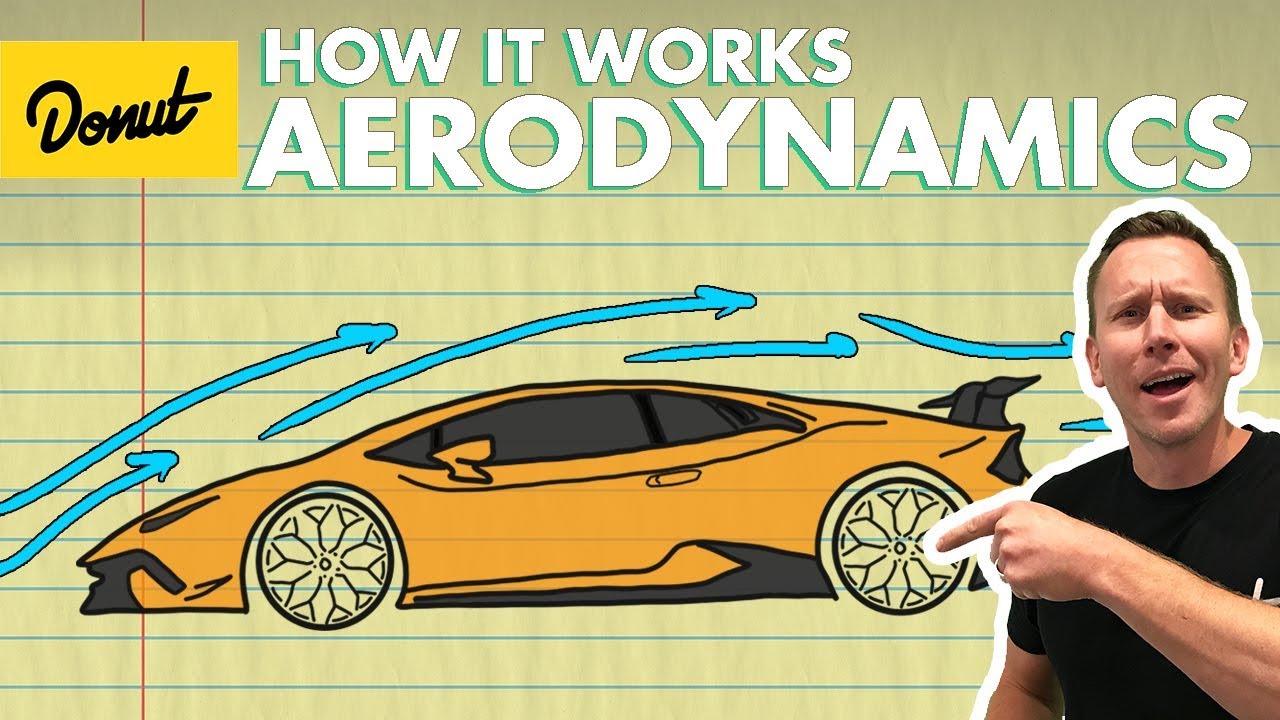
This video focuses on the principles of aerodynamics in relation to automobiles, explaining how different shapes and designs affect drag, lift, and overall vehicle performance. Key concepts include the importance of reducing drag coefficients and the role of downforce in enhancing grip and stability at high speeds.
- Aerodynamics involves drag and lift, which significantly affect vehicle efficiency and performance.
- Different shapes have varying drag coefficients, impacting fuel economy and speed.
- Functional components like wings and splitters are critical for maintaining downforce, which improves grip and stability.
Bricks
The introduction discusses various car shapes and their aerodynamic characteristics. Aerodynamics, the study of gas interactions with moving objects, is introduced along with the concepts of drag—resistance faced by the car—and lift, which can be positive (upward force) or negative (downforce).
Teslas
This section highlights the evolution of automobile design and the significance of aerodynamics in enhancing speed. It explains that drag is influenced by velocity, where the resistance increases exponentially as speed rises. Early cars did not emphasize shape due to lower cruising speeds but did so as they sought to break speed records.
Splitters
The focus shifts to drag’s impact on fuel efficiency and vehicle range. Modern cars aim for low drag coefficients, with examples like the Tesla Model X, boasting one of the lowest at .24. However, it compares overall drag using drag area, which combines drag coefficient with frontal area, showing that bigger cars can have higher drag despite lower coefficients.
Wings
This chapter discusses the aerodynamics of Formula 1 cars, noting their high drag coefficients due to design choices prioritizing downforce over sheer speed. Downforce is crucial for tire grip, enhancing cornering speeds despite generating additional drag. Various aerodynamic elements contribute to maintaining stability at high speeds.
Spoiler alert, we're talking about aerodynamics
The conclusion emphasizes principles such as Bernoulli's Principle to explain how wings generate downforce. Techniques like shaping wings for airflow manipulation and the use of spoilers assist in achieving stability by managing lift. The video hints at further exploration of aerodynamic enhancements in future episodes while encouraging viewer engagement and subscription.

