
Brief Summary
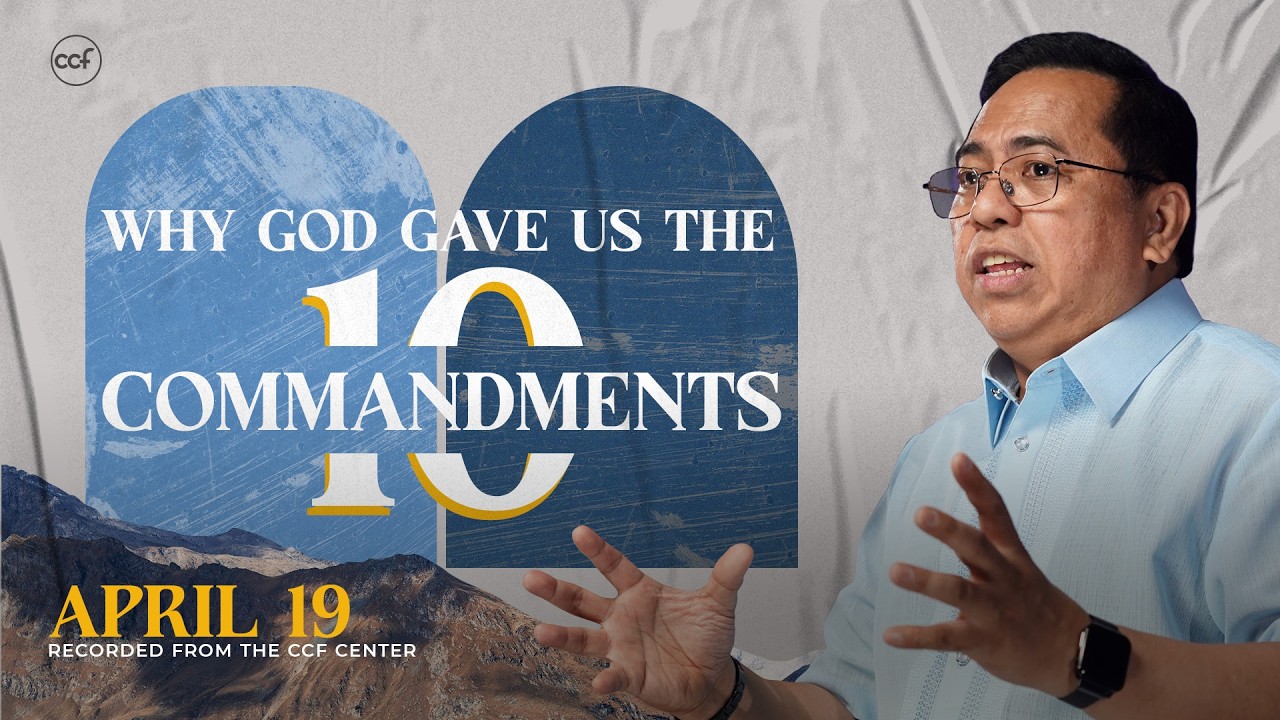
This video introduces a new series on the Ten Commandments, emphasizing that they are not restrictive but liberating. It explores how misinterpreting God can lead to misplaced worship, causing emptiness and anxiety. The sermon highlights the importance of understanding the purpose of the Ten Commandments, which is to protect, guide, and bless, revealing God's character and desire for a proper response through worship.
- The Ten Commandments are meant to protect, guide, and bless, revealing God's character and desire for a proper response through worship.
- True worship involves responding rightly to who God is, what He has done, and what He continues to do.
- Idolatry is placing anything above God, influencing decisions and priorities, and ultimately shaping one's character.
- Worshiping God exclusively and rightly is essential for experiencing true freedom and fulfilling one's purpose.
Opening
The video introduces a new series focusing on the Ten Commandments, highlighting that these commandments are not meant to restrict but to liberate. It addresses the common perception that God's laws are confining, aiming to show how they actually provide freedom. The message is designed to help viewers recognize if they are experiencing emptiness, anxiety, or powerlessness despite their efforts, suggesting that the issue might stem from a misinterpretation of God and, consequently, improper worship. The speaker emphasizes that worship shapes one's character and daily life, encouraging viewers to understand how to experience true freedom through correct worship.
Testimony - Erik Riola
Erik Riola shares his upbringing in a devout home where faith was taken seriously. He excelled academically and professionally, attributing his success to God while maintaining religious practices. Despite outward devotion, Erik felt a disconnect. Initially resistant, he attended a marriage retreat organized by a Christian church where a question from Pastor Peter deeply impacted him: whether Jesus would ask about his religious affiliation or his personal relationship with Him. This prompted Erik to realize his faith was merely a religion, not a relationship, leading him to accept Jesus as his Lord and Savior in October 2022. Even after this transformative experience, Erik struggled to fully abandon his old practices, attending both his previous church and CCF. As he grew in his relationship with Jesus, he understood the importance of worshipping God according to truth, leading him to publicly commit to his Christian faith. Today, Erik and his wife actively worship in one church, participate in various events, and lead D groups, demonstrating their commitment to living a life centered on Christ.
Purpose of the 10 Commandments
The speaker addresses the common perception of commandments as restrictive, comparing them to traffic laws designed to protect drivers. He emphasizes that the Ten Commandments are not meant to make life difficult but to protect, guide, and bless individuals. God gave these commandments to reveal human selfishness and the need for a savior. The law points people to Jesus Christ, who fulfilled the law, which humans cannot do on their own. The commandments reflect God's character and desires, guiding people to respond to Him through worship and pleasing Him.
Worship God Exclusively
The speaker emphasizes that God wants exclusive worship, highlighting the covenant He made with His people. Just as in marriage, commitment means forsaking all others, God desires to be the sole focus of devotion. The problem is not worshipping God, but having other priorities that compete with Him, such as career, money, or relationships. God's condition is total commitment, as stated in Isaiah 42:8: "I am the Lord, that is my name; I will not give my glory to another." The speaker references Elijah's challenge to the Israelites to choose between God and Baal, stressing the need to avoid syncretism, which is blending the worship of God with other gods.
Self-test
The speaker encourages self-reflection to determine where one truly places their trust and devotion. He poses questions to help listeners identify their priorities: Where do you run first when you have a problem? What do you fear losing the most? He emphasizes that true worship is not defined by what one says they worship, but by what they rely on first.
F.I.R.S.T.
The speaker introduces an acronym, F.I.R.S.T., to help listeners evaluate whether God is truly first in their lives. F stands for Finances, examining how one earns and spends money. I stands for Interest, questioning whether one's focus aligns with God's will. R stands for Relationships, asking if God shapes decisions in relationships. S stands for Schedule, considering how time is allocated. T stands for Trouble, questioning to whom one turns in times of difficulty.
Worship God Rightly
The speaker transitions to the second aspect of true worship: worshipping God rightly. He emphasizes the prohibition against creating idols or likenesses to represent God, as it is an insult to His supreme and incomparable nature. God is a jealous God because He knows that lesser gods cannot provide what people truly need. The speaker references Romans 1:23-26, highlighting the consequences of exchanging the glory of the incorruptible God for corruptible images, leading to impurity and unnatural desires. He quotes A.W. Tozer, stating that "What comes into our minds when we think about God is the most important thing about us," and Tim Keller, defining an idol as anything more important than God, absorbing one's heart and imagination, and sought to give what only God can give.
Closing
The speaker concludes by reiterating the importance of allowing God to sit on the throne of one's life, worshipping Him exclusively and rightly. He contrasts false gods, which demand everything, with Jesus, who gave His life. Referencing Augustine, he states that "Our hearts are restless until we find rest in God." He invites those who are weary and burdened to come to Jesus for rest, learning from His humility and taking on His yoke. The speaker leads a prayer, inviting listeners to surrender control of their lives to God, release idols, and allow Him to reign.
Sunday Fast Track
Jwel Malonso from CCF's GLC training department introduces Sunday Fast Track with Pastor Bong Saing to answer life questions with biblical truths related to the message on the Ten Commandments.
Q1. Ano ang mga idols or “other gods” na maituturing sa ating henerasyon ngayon?
Pastor Bong explains that idols are not just objects of worship but anything that, if lost, would make life feel meaningless. These can include relationships, money, honor, or the approval of others. If something other than God provides a sense of security or value, it becomes an idol, diverting worship from the true God.
Q2. Ano ang mga maaaring hadlang sa pagsamba sa Diyos sa araw-araw?
Pastor Bong identifies distractions as significant obstacles to daily worship. These distractions can include social media, online shopping, or anything that prevents one from focusing on God. Additionally, obstacles such as personal dreams and negative news can hinder placing God at the center of life, thereby impeding true worship.
Q3. Paano uunahin ang Diyos kung nangngunguna ang mga isinin ng problema sa paggising sa umaga?
Pastor Bong advises redirecting one's thoughts by focusing on what is true, honorable, and praiseworthy, as mentioned in the Bible. To avoid anxiety, bring concerns to God first, then apply God's truth to the situation. The peace of God, which surpasses all understanding, will center the mind and heart on Jesus. Prioritizing problem-solving before seeking God can lead to anxiety, so it's essential to bring concerns to God through prayer and supplication with thanksgiving, allowing His peace to guide and direct one's thoughts and actions.

