
Brief Summary
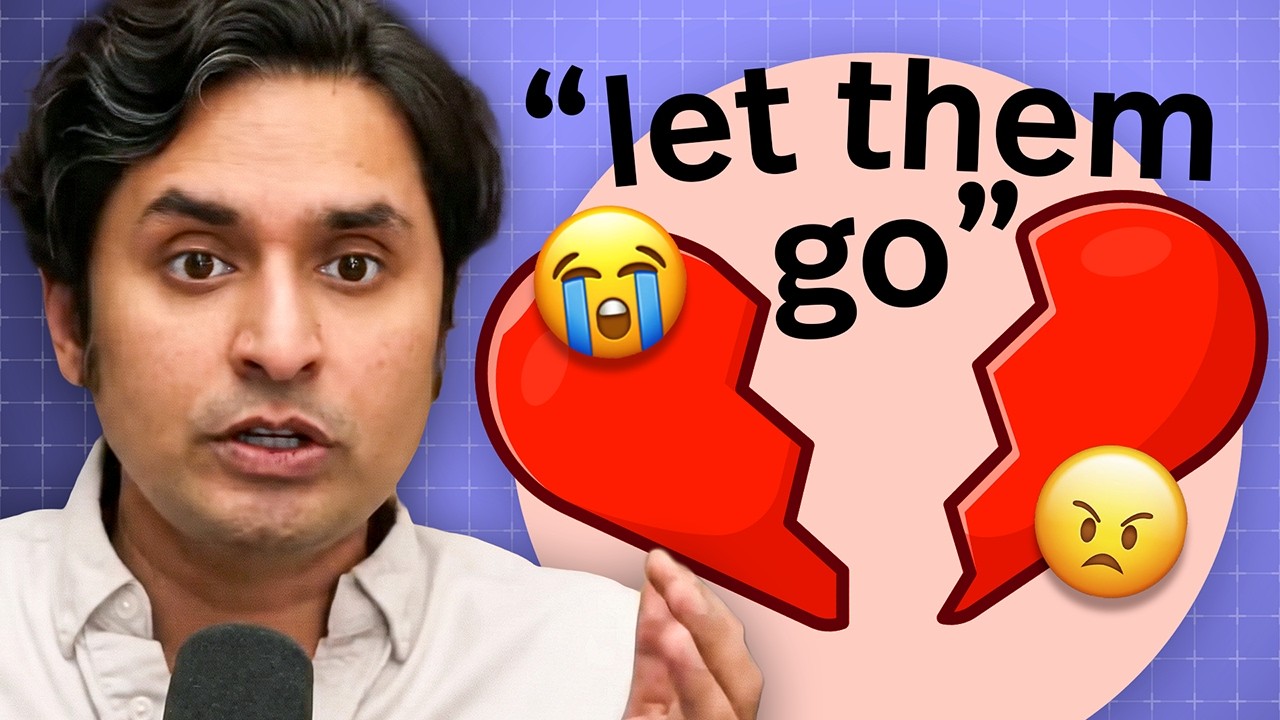
This video provides advice on how to break up with someone in a way that minimizes trauma for both parties. It emphasizes the importance of understanding that a person's reaction to a breakup is largely based on their own attachment style, support system, and past experiences. The video also covers actionable steps like signaling dissatisfaction, allowing for emotional expression, and avoiding being friends immediately after the breakup. Additionally, it touches on the role of love in relationships, highlighting that while important, it cannot substitute for other essential elements like effort, sacrifice, and personal growth.
- A person's reaction to a breakup is largely based on their own attachment style, support system, and past experiences.
- Signal dissatisfaction, allow for emotional expression, and avoid being friends immediately after the breakup.
- Love is important, it cannot substitute for other essential elements like effort, sacrifice, and personal growth.
Introduction
The video addresses the question of how to break up with someone properly, aiming to minimize trauma for both individuals involved. It acknowledges that breakups can be traumatic and that people often feel terrible, snap, or become abusive. The core question is whether there's a "best way" to break up, and the video aims to provide insights and advice on this topic.
Is there a best way to break up?
The video asserts that there are indeed less and more harmful ways to break up with someone. It highlights that some breakups are traumatic, while others are not, indicating a variance in outcomes. The key is to understand what makes a breakup traumatic or not.
What makes a break-up painful?
Two fundamental influences determine the traumatic nature of a breakup: what the person initiating the breakup says or does, and who the person being broken up with is. A significant portion (50% or more) of how traumatized someone is depends on their own characteristics, such as attachment style, support structure, and duration of the relationship. Factors like non-mutuality, commitment levels, and fearful or dismissive attachment styles contribute to distress. The length of the relationship and how quickly someone starts dating again also predict recovery.
Control What You Can Control
The video shifts focus to what can be controlled during a breakup. It emphasizes that the breakup shouldn't be completely sudden; signaling dissatisfaction beforehand is crucial. Communicating unhappiness in a limited and focused manner, with the intention of helping the relationship, is advised. This involves thinking through the reasons for unhappiness, considering both personal and partner responsibilities, and tying the behavior to its impact on oneself.
How Trauma Effects Break-Up Recovery
The intensity of the emotional reaction by the partner is usually inversely correlated with how traumatized they are. Intense emotions upfront can decrease the likelihood of trauma down the road. It's healthy for individuals to express strong emotions like anger or sadness during a breakup, as it indicates they are not dissociating or depersonalizing.
Should You Stay Friends After a Break-Up?
Generally, it's not advisable to remain friends immediately after a breakup. Sustained contact post-breakup correlates with worsening outcomes. While being friends later is possible, maintaining close contact immediately after can hinder the moving-on process. It's important to avoid assuaging guilt by being overly kind or helpful, as this can be counterproductive.
Closure is Important
Providing closure is essential. Vocalizing feelings and giving the other person an opportunity to respond, ask questions, and express their feelings is beneficial. Ghosting, which denies this opportunity for closure, is harmful. The video suggests being clear about the reasons for the breakup and allowing for open dialogue. It also advises against getting trapped in ego-driven arguments and instead acknowledging the other person's perspective.
Should You Provide Feedback?
If asked for feedback, it's generally good to provide it. While it may be painful to hear, it can help the other person in the long run. Provide general reasons for the breakup without going into excessive detail unless specifically requested. Clarify what kind of answer the person is looking for before providing extensive feedback.
Be Careful About Conditionals
Be cautious about conditionals. Avoid giving false hope by entertaining "if I do this, will you give me another chance?" scenarios, as they are generally not a good idea.
Don’t Listen to Relationship Advice
Following relationship advice too strictly can sometimes lead to bad relationships. Many happy relationships start with red flags and imperfections. Tolerance and patience around fundamental issues can be a strong foundation. Moderation in all things, including moderation itself, is key.
Love in Relationships
Love is important but not a substitute for other essential elements in a relationship. It cannot replace personal growth, emotional availability, financial independence, or effort. Love requires space to grow and cultivate, often found in quiet moments and vulnerability. The feeling of being "in love" is a neurochemical reaction that requires a certain environment. Love should be the fuel for action and personal improvement, not a substitute for it.

