
Brief Summary
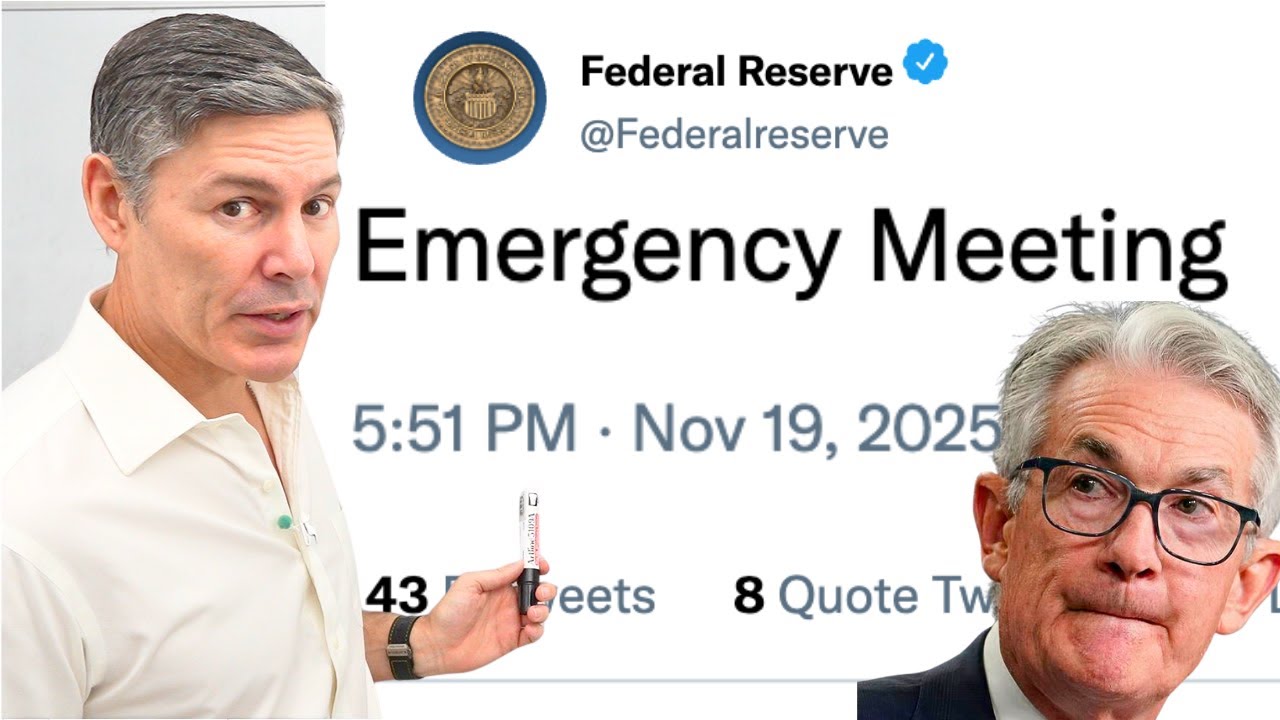
George Gammon discusses the possibility of the Federal Reserve initiating a new round of quantitative easing (QE) due to liquidity problems in the financial system. He highlights a recent private meeting between Fed officials and the global banking cartel, interpreting it as a signal for upcoming QE. The analysis covers the causes of these liquidity issues, the potential ineffectiveness of QE in addressing counterparty risk, and the likely market outcomes should QE be implemented.
- Liquidity problems in the financial system are highlighted, drawing parallels to the issues seen in September 2019.
- A suspicious meeting between Fed officials and the global banking cartel is analyzed, suggesting it may lead to a new round of quantitative easing.
- The potential outcomes of renewed quantitative easing are examined, including its effects on inflation, deflation, the stock market, and interest rates.
Liquidity Problems in the Financial System
The financial media is reporting liquidity problems in the financial system. The spread between repo rates and interest on reserves (IOR) has turned positive, indicating stress. Repo rates are now higher than IOR, a significant issue because secured, collateralized loans should theoretically have lower interest rates than unsecured loans. This situation suggests increased counterparty risk, where lenders are wary of borrowers despite the presence of collateral. The common narrative of insufficient bank reserves is challenged by the reality that counterparty risk plays a crucial role.
Suspicious Meeting Between Fed Officials and Global Banking Cartel
A hastily arranged meeting between the New York Fed and Wall Street firms focused on the Fed's standing repo facility. The Fed claims the meeting aimed to gather feedback on improving the facility, but the real concern is maintaining control over repo rates in the broader market. The triparty repo rates have risen above the Fed's rate on reserve balances, reminiscent of the market conditions in late 2018 and 2019 when the Fed lost control and rates spiked. Banks are hesitant to use the Fed's facility due to the stigma it implies, signaling institutional pressure. This reluctance and the rising repo rates suggest that counterparty risk is a significant factor, potentially more so than the level of bank reserves.
Potential Outcomes of Renewed Quantitative Easing
If the Fed implements another round of QE, the outcomes are uncertain. Examining past QE periods reveals that increasing bank reserves did not always correlate with stock market increases or inflation. Interest rates, particularly the 10-year Treasury yield, often moved in the opposite direction of what the Fed intended during QE. Ultimately, market perception of macroeconomic conditions, such as inflation growth and expectations, drives interest rates more than the Fed's balance sheet. Therefore, the effects of QE on stocks, inflation, interest rates, and the dollar will likely align with prevailing market trends, regardless of the Fed's actions.

