
Brief Summary
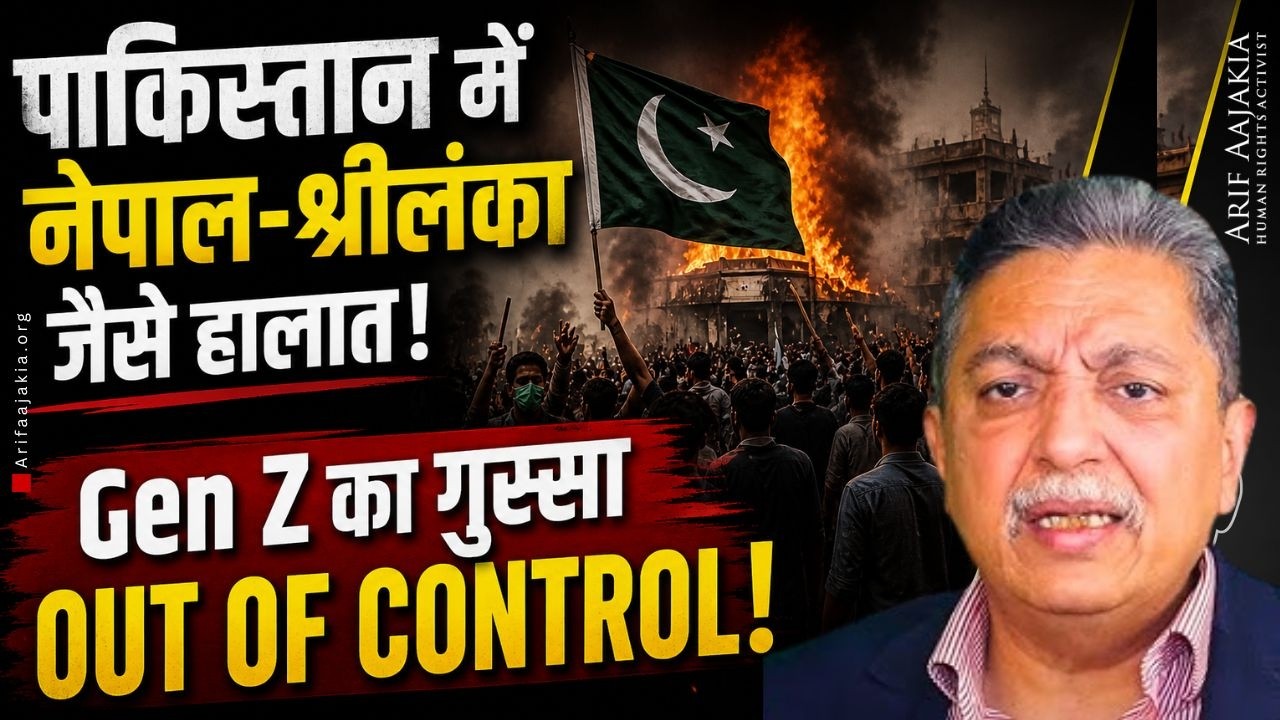
This video discusses the dire state of Pakistan, criticising its leadership and policies. It highlights issues such as economic instability, social unrest, religious persecution, and the army's excessive involvement in various sectors. The speaker contrasts Pakistan's situation with that of India and other countries, advocating for radical changes, including dissolving the army and establishing peaceful foreign relations.
- Pakistan faces severe economic and social issues, with comparisons made to less developed African countries.
- Religious minorities and even different Muslim sects face persecution and violence.
- The army is criticised for its extensive involvement in politics, the economy, and society, leading to corruption and instability.
- The speaker advocates for dissolving the army, establishing peaceful foreign relations, and focusing on economic development.
Senator's Statement and Pakistan's Internal Issues
The video begins by referencing a statement made by Senator Palwasha Khan, which is perceived as ironic given Pakistan's internal problems. The speaker asserts that Pakistan is in a dire state, with even less developed African countries having better living conditions. Religious minorities, particularly Muslims, are facing significant challenges and persecution within Pakistan. The speaker references a film scene to illustrate the persecution of minorities, highlighting a real-life incident of mob violence against a Shia individual for not attending a mosque. This illustrates the severe sectarian issues and the involvement of even young children in mob violence, reflecting a bankrupt society where people lack religious freedom and face constant threats.
Criticism of Asim Munir and Army's Involvement
The speaker criticises Asim Munir, accusing him of using religion to justify his actions and portraying himself as the nation's protector. Munir's extensive control and influence, including his extended tenure and involvement in international dealings, are questioned. The army's involvement in the economy is highlighted, with the allocation of thousands of acres of land in Punjab to the military being cited as an example. The speaker contrasts this with the remaining land distribution among landowners, pointing out the historical context of cantonments established by the British and their continued presence in Pakistan, particularly in non-Punjabi cities.
Economic Crisis and Rising Petrol Prices
The video addresses the economic crisis in Pakistan, referencing a speech where the Prime Minister discussed rising oil prices. The speaker notes the increasing petrol and diesel prices, which are raised frequently, and the long queues at petrol pumps in Islamabad. The situation is contrasted with India, where petrol prices are not increasing as drastically. The speaker also highlights the lack of basic necessities like water and petrol in Karachi. A report on the global hunger crisis indicates that Pakistan is facing food insecurity, with millions of people affected.
Gas Shortages and Comparison with Neighbouring Countries
The video highlights the irony of Balochistan, the largest gas-producing region, facing severe gas shortages, with over 90% of the population lacking access. Sindh also faces similar issues, while Punjab has better gas access. The speaker criticises the government's inability to provide basic necessities and questions Pakistan's ability to compete with India. The video presents data comparing Pakistan's average income and electricity rates with those of India, Afghanistan, and Bangladesh, revealing that Pakistan's income is significantly lower and electricity rates are much higher.
Terrorism Policy and Army's Corruption
The speaker criticises Pakistan's history of supporting terrorism, citing instances in Afghanistan, Iran, India, and even China. An incident from the 1990s is recalled, where China complained about Pakistani extremists in Xinjiang. The speaker argues that Pakistan's policy of supporting terrorism has led to its current state, where it relies on begging for aid while its army generals and officers amass wealth and properties worldwide. A comparison of GDP between Pakistan and India since 2008 shows India's significant progress, attributing it to better leadership and the army's non-interference in politics and the economy.
Call to Dissolve the Army and Establish Peace
The speaker advocates for dissolving the army and establishing a foreign policy focused on peaceful relations with neighbouring countries. They suggest handing over wanted terrorists to the respective countries or the United Nations. The speaker believes that the army is the root cause of Pakistan's problems and that dissolving it would lead to positive change.
Seeking Loans and the Loss of Dignity
The video concludes with a reflection on Pakistan's reliance on foreign loans. The speaker shares personal experiences of seeking financial assistance from friendly countries, acknowledging their support but highlighting the loss of dignity and the compromises that come with borrowing. The speaker emphasises the obligations and potential exploitation that arise when a country is dependent on external financial aid.

