
Brief Summary
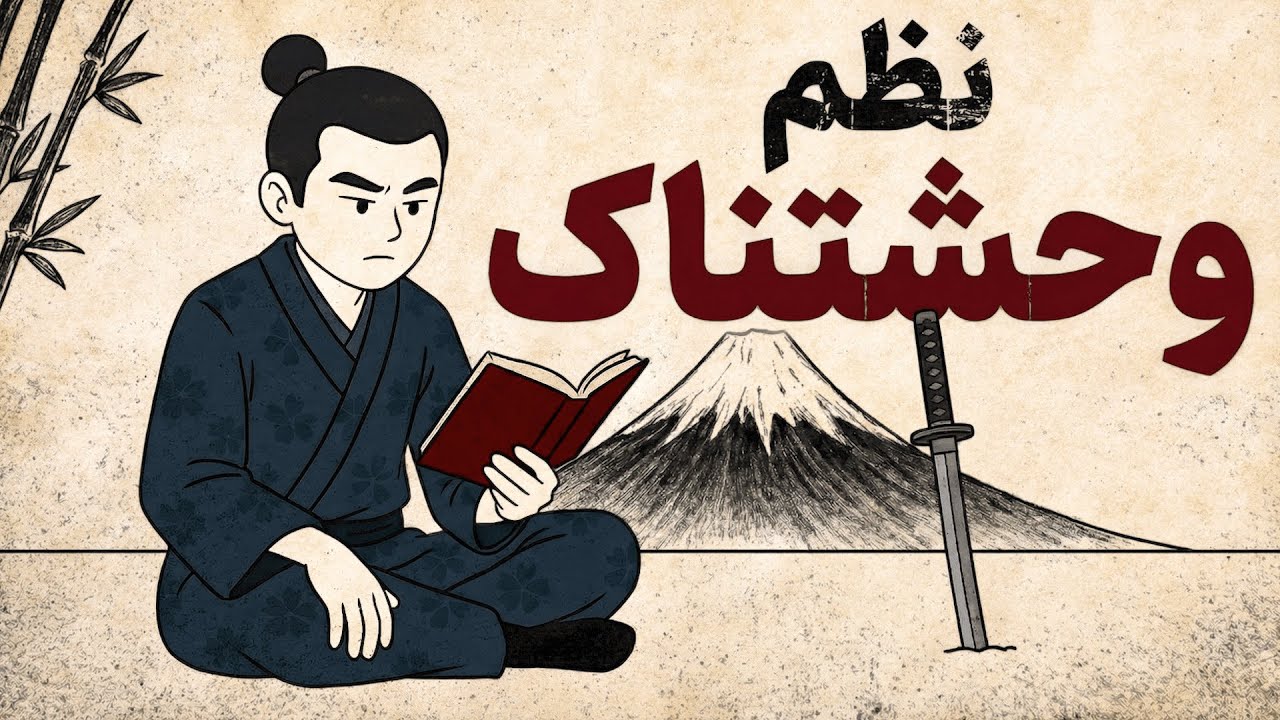
This video discusses the concept of consistency through a system called "Giōji," developed by Japanese monks, which allows individuals to maintain habits without interruption. The narrative follows Rafael, a programmer who struggled to maintain habits beyond two weeks, and explores the mental architecture necessary for enduring change.
- Introduction of the Giōji practice for sustained habit formation.
- Rafael's struggle with habit consistency and the mental barriers he faced.
- The exploration of commitment types and the significance of public declaration.
- The concept of "non-negotiable hours" to streamline decision-making.
- The process of making habits automatic through consistency and pre-determined responses.
- Transformation through steady practice, reshaping identity rather than merely building habits.
Awakening: Rafael's Struggle
Rafael, an intelligent programmer, faces a challenge in maintaining habits beyond two weeks. His attempts at regular activities, like working out or meditating, fail as he repeatedly gives up. Despite trying various tracking apps and accountability partners, he realises that his internal brain architecture is the core issue. One day, he discovers why monks can meditate continuously for centuries and identifies the need for a deeper understanding beyond mere willpower.
The Monks' Secret
In the monks' temples, there's a practice known as "Giōji," which translates to "continuous practice without gaps." This means that every day at 3:30 AM, monks rise without question or excuse, emphasising a lack of mental negotiation. Rafael learns that commitments can either be reversible or irreversible, with irreversible commitments solidifying one's identity.
Inner Battle
Despite societal pressure, Rafael still struggles internally, battling fatigue and the urge to skip his newfound commitments. However, what becomes significant is the introduction of "non-negotiable hours," which eliminates the daily decision-making fatigue. By choosing a fixed time each day, he minimises the chance for mental arguments about when to perform his tasks.
The Unique Path
Contrary to popular belief, variety can hinder consistency. Rafael locks his routine into a single sequence—20 push-ups, 10 minutes of meditation, and 10 minutes of reading—allowing him to focus without distraction. As he continues this practice, discomfort arises from routine, but he learns that repetition reduces reliance on willpower, making his responses automatic.
Practice Without Gaps
Rafael confronts challenges like illness and travel, situations that often derail progress. He realises that consistency doesn't demand perfection; rather, it necessitates continuity. By creating predetermined responses to these interruptions, he maintains his momentum despite obstacles.
Predefined Solutions
Rafael documents potential obstacles that previously disrupted his consistency and devises solutions for each one. He creates a list of responses to be implemented automatically, thus avoiding the decision-making process during crises, ensuring his practice continues uninterrupted.
Transformation
As Rafael completes 90 days of consistent practice, he experiences a profound transformation, no longer the person he once was. Friends and family notice his newfound stability, which some find unsettling. However, this evolution demonstrates that consistent practice reshapes one's identity, leading to an existence where being disciplined becomes a natural state rather than a challenge.

