
Brief Summary
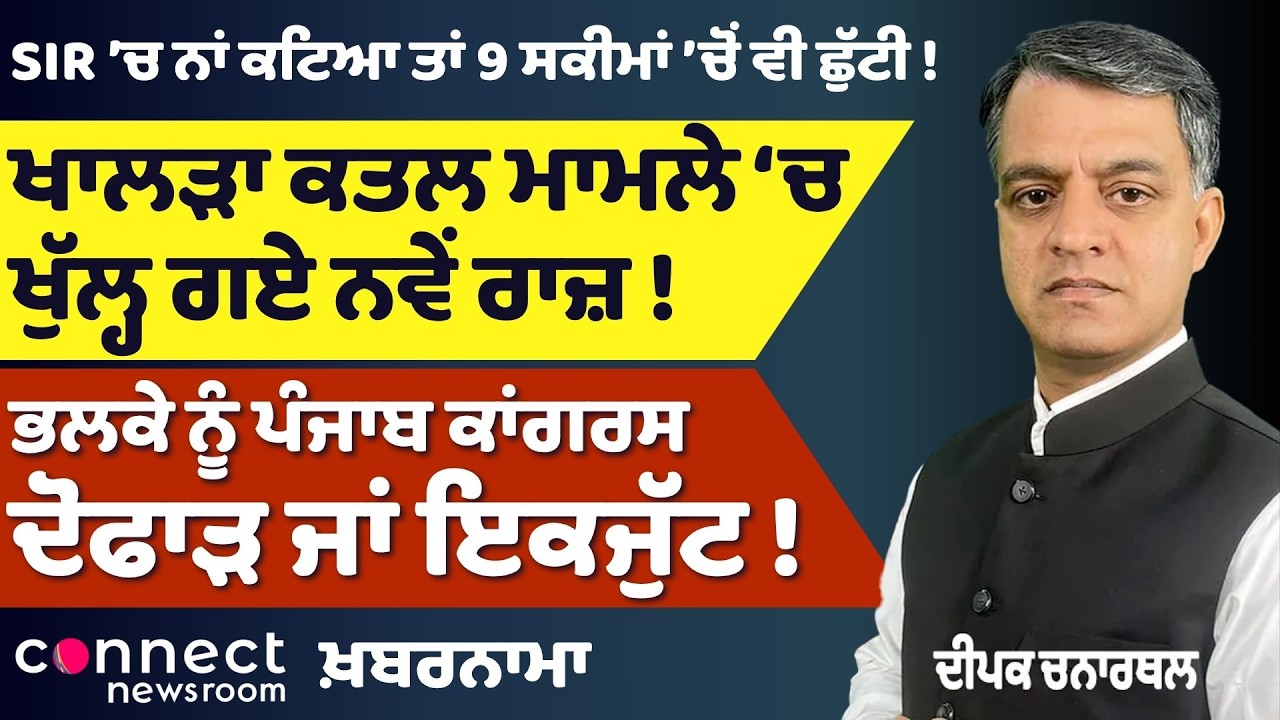
This video discusses the recent developments in the Jaswant Singh Khalra murder case, bringing to light certain revelations after the release of a related film. It examines the implications of judicial decisions and accountability of police officials involved in the case, as well as the broader political context in Punjab. Additionally, it touches upon the discrepancies in governance, the role of bureaucrats, and the systemic issues of corruption and human rights violations in the region.
- Jaswant Singh Khalra's murder case receives renewed attention post-film release.
- Several police officials' roles and legal consequences come under scrutiny.
- Political dynamics and media narratives regarding responsibility and accountability in Punjab are analyzed.
Developments in the Khalra Murder Case
The video begins with a warm welcome, discussing the emergence of new revelations in the Jaswant Singh Khalra murder case, especially following the release of a film related to it. The film was banned just two days post-release, leading to a series of disclosures about the case, prompting a conversation about the dynamics of various governments involved over time. The discussion includes how a Deputy Superintendent of Police (DSP) was kept in an open jail and ultimately released, raising questions about the factors leading to these decisions.
Judicial Decisions and Their Implications
The video continues to detail how multiple police officials, including an Assistant Sub-Inspector (ASI), have received varying sentences, including life imprisonment for some, while others were acquitted. Reference is made to an application submitted to the Governor in 2022, claiming that these officials had performed well, leading to speculation on whether their release was politically motivated. The narrative addresses the controversy surrounding the treatment of police officers and judicial processes.
Political Accountability and Governance
The host discusses the wider implications of the police's actions on justice and governance within Punjab. As the narrative unfolds, it becomes evident that the systemic corruption and human rights violations remain pervasive issues within the police force. The video reflects on past incidents of false police encounters and how often lower-ranking officials bear the brunt of accountability while higher-ups manage to evade scrutiny.
Media Narratives and Political Responsibilities
With the release of the film igniting political discourse, different parties attempt to refurbish their image and accountability regarding the Khalra case. The conversation explores how media narratives can be influenced by political agendas, with stakeholders positioning themselves as defenders of justice. There’s a criticism of how all parties deflect responsibility, emphasizing the need for a clear narrative regarding justice and acknowledgments of past wrongs.
Civic Rights and Political Manipulation
The video shifts focus to the civic rights of individuals in Punjab, highlighting how systemic barriers have compromised citizens' rights. Amidst the conversation about political lobbying and manipulation, the analysis reveals how human rights issues continue to be ignored, with responsibilities placed on the electorate rather than the ruling authorities.
Impact of Recent Developments on Governance
The discussion culminates in the examination of how recent events and decisions affect governance in Punjab. The dialogue critiques the ongoing discrepancies between political promises and actions, particularly addressing the condition of marginalized communities whose rights have been historically neglected. The host emphasizes the responsibility of political leaders to address these issues genuinely to maintain public trust.
Conclusion on Current Political Landscape
The video concludes by reiterating the importance of transparency in governance and the necessity for political parties to address historical injustices rather than sidestepping accountability. There are calls for a more engaged dialogue among politicians and citizens to ensure equitable treatment and restoration of rights for all.

