
Brief Summary
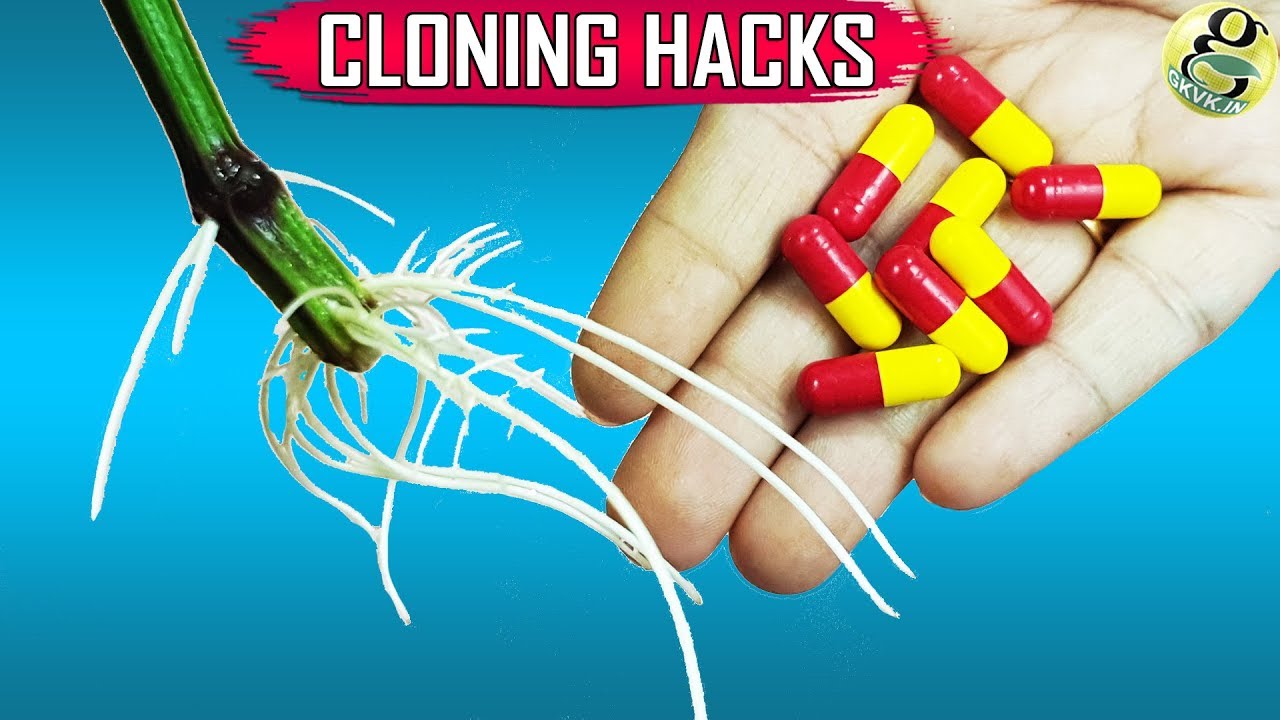
In this video, the host shares ten essential rules and tips for successfully cloning plant stem cuttings in water. Key points include the importance of selecting healthy cuttings, the correct cutting technique, using a suitable rooting solution, and ensuring proper oxygenation for optimal rooting.
- Ten essential rules for cloning plant cuttings
- Importance of nitrogen drainage and oxygenation for successful rooting
Understanding Plant Cloning and Its Principles
The video introduces the practice of cloning plant cuttings in water, emphasizing its longstanding tradition. It highlights that, unlike seed-grown plants which vary from their parent, cloned cuttings produce identical copies of the parent plant. The host encourages viewers to follow the provided steps for high success rates in gardening.
1. Taking Healthy Cuttings
Selecting healthy cuttings from a disease-free parent plant is crucial for success. The ideal cuttings should come from actively growing branches and be semi-woody, avoiding overly hard or soft stems which are prone to rot.
2. Making a Sharp Cut at 45 Degree Angle
The second tip stresses making a sharp cut at a 45-degree angle using a well-sterilized cutting tool, such as a blade or scissors. This cutting technique should be just below a node, which is where root development begins.
3. Length of Cuttings
Cuttings should be 6 to 10 inches long, with at least two or three nodes above the rooting node. A shorter internode distance increases the chances of successful rooting.
4. Drain Out Nitrogen for the Branch
To facilitate rooting, it's recommended to drain nitrogen from the branch by watering it well before cutting. This step is essential as nitrogen can inhibit the rooting process, although the exact mechanics are not clearly understood.
5. Do Not Fertilize your Parent Plant
The advice here is to refrain from fertilizing the parent plant for at least 15 days before taking cuttings to avoid impacting nitrogen levels negatively.
6. Prepare Rooting Solution
Using clean, soft water is crucial for rooting success. It's beneficial to add ingredients like rooting hormone powder, aspirin, or fresh aloe vera gel to prevent rot and enhance the rooting process.
7. Use Clean Containers and Change Water
Using clean, preferably transparent containers allows monitoring of root development. Water or rooting solutions should be changed every 2 to 3 days to maintain health.
8. Oxygenate the Tissues
Oxygenation is vital for rooting. The cutting should be lifted out of the water and the solution stirred at least once daily to ensure that dissolved oxygen is available for healthy roots.
9. Submerge the Cutting Properly
Cuttings should be submerged in the rooting solution, ensuring at least 2 inches of water over the lower node, which promotes rooting. They should be kept in indirect light and ideally covered to maintain humidity and temperature.
10. Transplant into Soil
Once multiple roots—about 4 to 5 and at least one inch long—develop, the cuttings can be carefully transplanted into soil or potting mix for further growth.

