
Brief Summary
This video introduces an effective and economical method to clear kitchen drain clogs using washing soda. It highlights the common issues caused by grease buildup in pipes, reveals the drawbacks of chemical drain cleaners, and provides a step-by-step guide on using washing soda for unclogging drains. The video concludes by emphasizing its low cost and effectiveness as a preventive maintenance solution.
- Washing soda can clear grease clogs for about 50 cents.
- The method involves a simple five-step process and utilizes the process of saponification.
Understanding Drain Clogs
The video starts by explaining the formation of clogs in kitchen drains. Greasy substances go down the drain and solidify against cooler pipe walls, creating a thick layer of buildup over time. This accumulation narrows the pipe opening, leading to complete blockages. The narrator shares personal experiences from 25 years of maintenance work, citing how common these clogs are in residential buildings.
The Problem with Chemical Drain Cleaners
The narrator discusses the two main types of chemical drain cleaners: acid-based and lye-based. While they can generate heat to dissolve clogs, such chemicals can cause dangerous conditions by softening PVC pipes and creating hazardous situations if they fail. A real-world example illustrates how overusing chemical cleaners can lead to expensive plumbing repair costs and hazardous environments for plumbers.
Washing Soda: A Safer Alternative
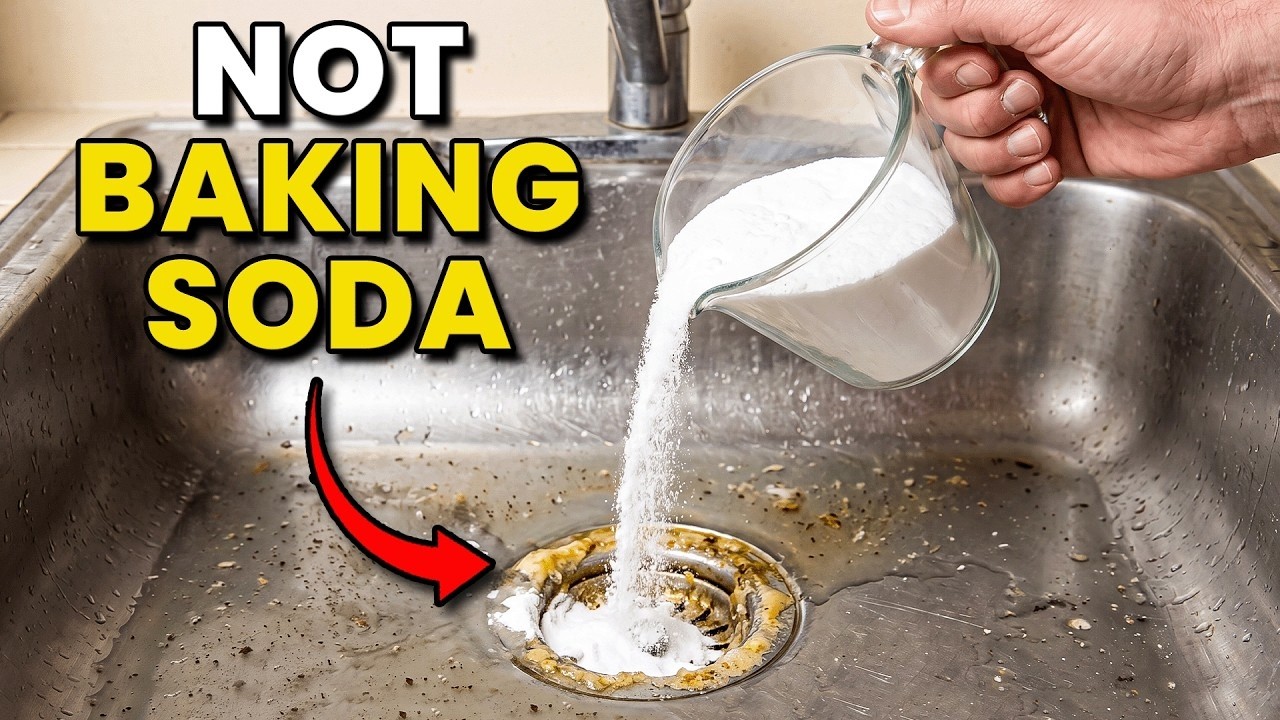
Washing soda, or sodium carbonate, is introduced as a more effective and safe alternative for unclogging drains. Unlike baking soda, which is less effective, washing soda works by converting grease into soap through a process called saponification. This method does not generate harmful heat or fumes and is safe for septic systems, making it a superior choice for plumbing maintenance.
How to Use Washing Soda
The narrator provides a five-step process to effectively use washing soda to clear clogs. The steps include:
- Removing most standing water from the sink.
- Pouring one cup of washing soda directly into the drain.
- Following it with a quart of hot tap water (not boiling).
- Allowing the solution to sit for 30-60 minutes, or longer for stubborn clogs.
- Flushing the drain with more hot tap water to see results.
Testing the Method
The narrator shares personal test results after applying the washing soda method on various drains in their home. The kitchen sink cleared in one treatment, while the bathroom and shower drains required additional treatments. The laundry sink, which had been slow for years, improved noticeably after three cycles. These results demonstrate the effectiveness of washing soda against organic clogs.
Limitations and Safety Tips
The narrator clarifies that washing soda only addresses organic clogs and cannot dissolve physical blockages like toys or bottle caps. Additionally, it is recommended not to mix washing soda with any other substances in the drain, to avoid unknowingly creating dangerous reactions.
Cost Comparison and Maintenance
A cost analysis reveals that washing soda treatments are significantly cheaper than commercial chemical cleaners and plumbing services. After clearing a clog, using washing soda monthly can prevent future issues, costing just about the same as a gumball.
Final Thoughts and Recommendations
The narrator concludes with a strong endorsement for washing soda, rating it highly for its low cost, ease of use, and efficiency. Viewers are encouraged to try this method for their slow drains and see the savings in plumbing costs.

