
Brief Summary
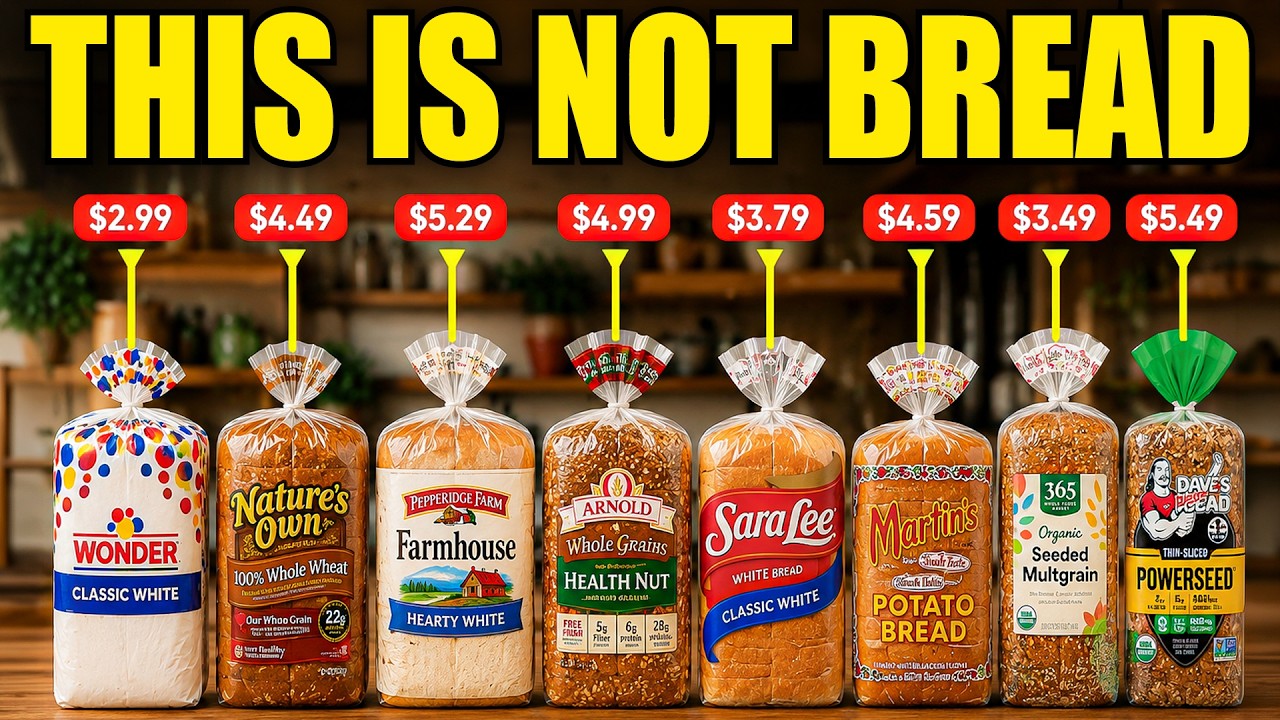
This video investigates the presence of glyphosate, a chemical found in herbicides, in popular bread brands in America. Independent testing revealed that many brands, including those marketed as organic or healthier options, contain concerning levels of glyphosate. The video ranks 10 bread brands from most to least contaminated, ultimately recommending three brands that passed testing and are considered safe.
- Glyphosate found in many popular bread brands.
- Some organic brands returned higher contamination levels than conventional ones.
- Three brands are recommended for their safety and quality.
Ranking the Bread Brands
The video opens with an alarming insight: most consumers are unaware of the glyphosate levels in their bread. The investigation by Florida's Department of Health showed that six out of eight sampled brands contained glyphosate, with some of the highest levels found in brands marketed as organic. The video aims to unpack these findings and guide consumers towards healthier choices.
Great Value Whole Wheat
Starting with Great Value Whole Wheat, the bread is identified as cheap and heavily marketed but contains 340 parts per billion of glyphosate—showing that cheaper options can still harbor contamination. Despite the EPA's legal threshold for glyphosate being considerably higher, the video argues that regulatory guidelines do not protect consumers adequately from elevated exposure levels.
Market Pantry Organic
Market Pantry Organic, from Target, has a USDA organic label but was found to contain 348 parts per billion of glyphosate. The discrepancy explained is due to "drift contamination," where herbicides from nearby conventional farms affect organic products. Parents seeking healthy options might be misled by the label, as the organic certification does not guarantee the absence of stray contaminants.
Oroweat Organic
Oroweat Organic, once a family-owned brand, is highlighted for its acquisition by Grupo Bimbo, potentially compromising its quality. Reports suggested glyphosate levels at 70 parts per billion, and since then, the company has not publicly tested its products. Consumers are cautioned that the quality has declined since its acquisition.
Nature's Own
Florida's Department of Health tested Nature's Own and found 190.23 parts per billion of glyphosate. The ingredient list raises further concern, including preservatives linked to behavioral issues in children. Demonstrations on the product's spongy texture reveal that many elements are engineered rather than natural, leading to deeper health implications for regular consumers.
Arnold Organic
The video discusses Arnold Organic, another brand under the Bimbo umbrella, with no publicly available glyphosate testing data. Concerns grow as the lack of transparency leaves many questions unanswered while the company's long history is overshadowed by modern industrial practices that don't prioritize public health.
Wonder Bread
Wonder Bread fails to present itself as organic yet contains 173.19 parts per billion of glyphosate. Its ingredient profile includes compounds that mirror construction materials and treats the nutritional integrity of bread with disregard. Concern is raised about the long-term consumption effects, especially for families that treat Wonder Bread as a staple.
Sara Lee Honey Wheat
Sara Lee Honey Wheat ranked highest with 191.04 parts per billion of glyphosate. Clear discrepancies between marketing (honey in the name) and actual ingredients (corn syrup) highlight the need for consumer vigilance. Additionally, a viral video shows the bread's unnatural preservation abilities, further raising alarms about its health implications.
Pepperidge Farm
Pepperidge Farm's bread was tested to have 587 parts per billion of glyphosate, showcasing that even brands perceived as premium can hold high contamination. Its whole wheat options remain particularly susceptible due to pre-harvest glyphosate spraying that retains residues in the grain.
Dave's Killer Bread
Dave's Killer Bread, which is often considered a health-conscious choice, contained 136 parts per billion of glyphosate in one variety, and lower levels in others. Although these are less than typical brands, the presence of any glyphosate compromises the brand's promise of purity given its premium price point.
365 by Whole Foods
The 365 brand from Whole Foods registered an astonishing 1,040 parts per billion of glyphosate, calling into question the integrity of their organic offerings. The video notes that the brand has changed since Amazon's acquisition, shifting from quality sourcing to profit-driven metrics. Despite a strong reputation, testing results suggest that consumers may be misled about the purity of their bread.
Healthier Alternatives
The video concludes by recommending three brands that have withstood testing and adhere to better sourcing practices. Food for Life Ezekiel bread is noted for lacking flour and achieving glyphosate-free certification. 1° Organics actively publishes its sourcing information, showcasing transparency and accountability. Silver Hills Sprouted Bakery also meets high standards of safety and quality, making them substantial options compared to brands identified in the investigation.
Final Recommendations
To ensure health safety, consumers are advised to avoid bread with more than five ingredients and to look for products stored in the freezer section, suggesting they are less processed. Regulatory certifications should focus on glyphosate testing results rather than just the absence of its intentional application. By understanding these details, shoppers can make informed decisions that prioritize their health.

