
Brief Summary
This video presents a series of rope knots that are traditional and practical, with the last knot being nearly forgotten. The knots are useful for various applications, including securing items, camping, and tying packages.
- The chicken net knot is easy for raising chicks or ducklings.
- The post hitch knot grips tighter with tension and is reliable for construction.
- The quick release knot allows for safe handling when lowering objects.
- Each knot is explained with steps for tying and practical uses.
Traditional Rope Knots
The video opens with an introduction to rope knots that have been handed down through generations. The last knot mentioned is at risk of being forgotten.
Chicken Net Knot
To create a chicken net knot, make a loop with the rope to form a circle. Pass another piece of rope behind it and tighten it. This knot is ideal for those who raise chicks or ducklings at home.
Post Hitch Knot
The post hitch knot is simple to tie and becomes tighter with added tension, making it strong and reliable for securing ropes on construction sites or during emergency situations.
Quick Release Knot
This knot is useful for lowering objects from heights. It consists of a main line and a release line, where the loaded rope must be the main line to keep the knot secure. Pulling the release line once the object reaches the ground will immediately undo the knot.
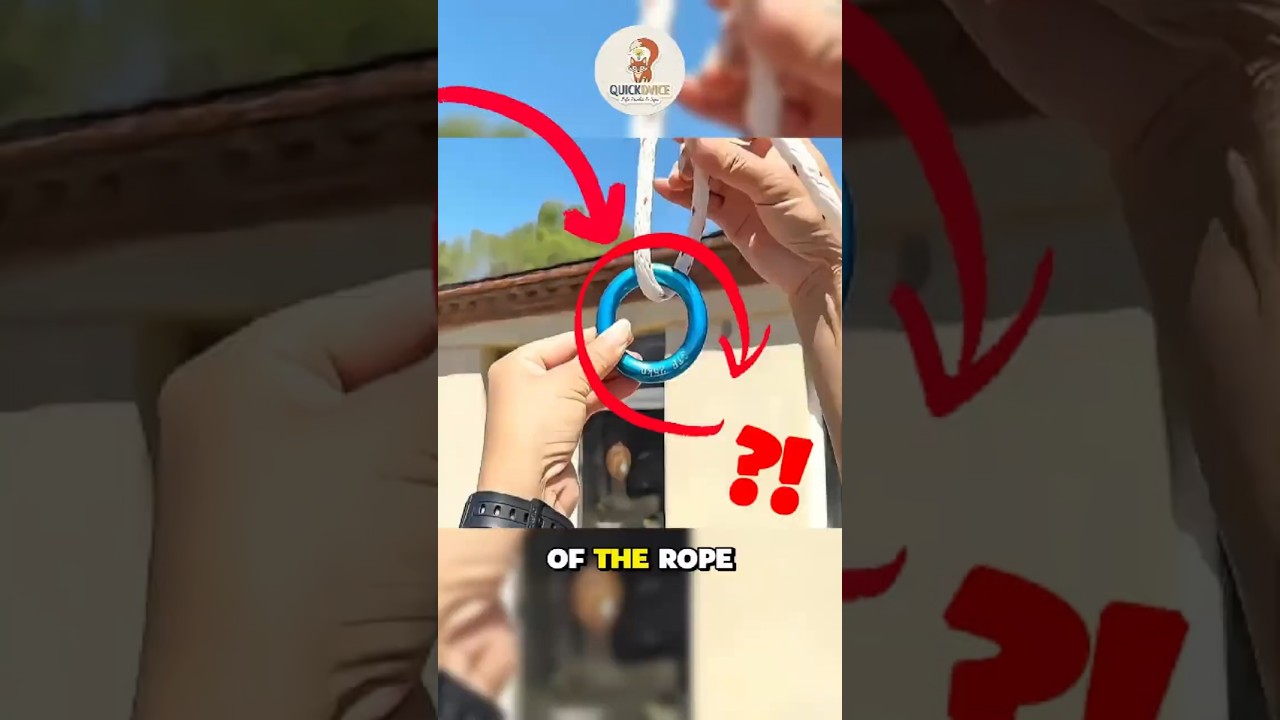
Ring Knot
The ring knot locks securely in place once tied, ensuring it won’t loosen or slip. It’s practical for hanging various objects.
Fabric Corner Knot
This knot is often used when setting up camping tents. It’s easy to tie and can be released with a single pull.
Towing Knot
The towing knot is easy to learn and remember after a single demonstration.
Sack Knot
Instead of a traditional knot, this method for tying sacks involves wrapping the rope around the sack opening and making a sliding lock. It tightens effectively and can be undone easily.
Shade Netting Knot
This knot is traditionally used by fruit growers and vegetable farmers for fastening shade netting. It is simple to tie and creates a strong, secure hold by tucking the wrapped end into the loop.
Traditional Straw Knot
The straw knot was used for tying vegetable bundles. It involves wrapping the straw multiple times and pulling the tail through to secure it.
Simple Loop Knot
To form a simple loop knot, make a loop with the rope, pass the end through, and wrap it around the main rope before feeding it back through the loop.
Hook Knot
This knot is useful for everyday tasks. It’s strong and easy to tie, accommodating a variety of uses including hanging objects or drying clothes.
Double Loop Knot
Begin by passing the rope through a ring and wrapping it around the main rope. After passing the end back through the ring, feeding it through the two loops above the ring enhances the knot's security.
Key Knot
To tie a key knot, fold the rope through the hole in the key, wrap it over, then around the key before tightening to secure it.
Joining Knot
This knot is a practical solution for joining two pieces of rope when one breaks or is too short. It is easy to tie and learn, making it widely applicable in everyday situations.

