
Brief Summary
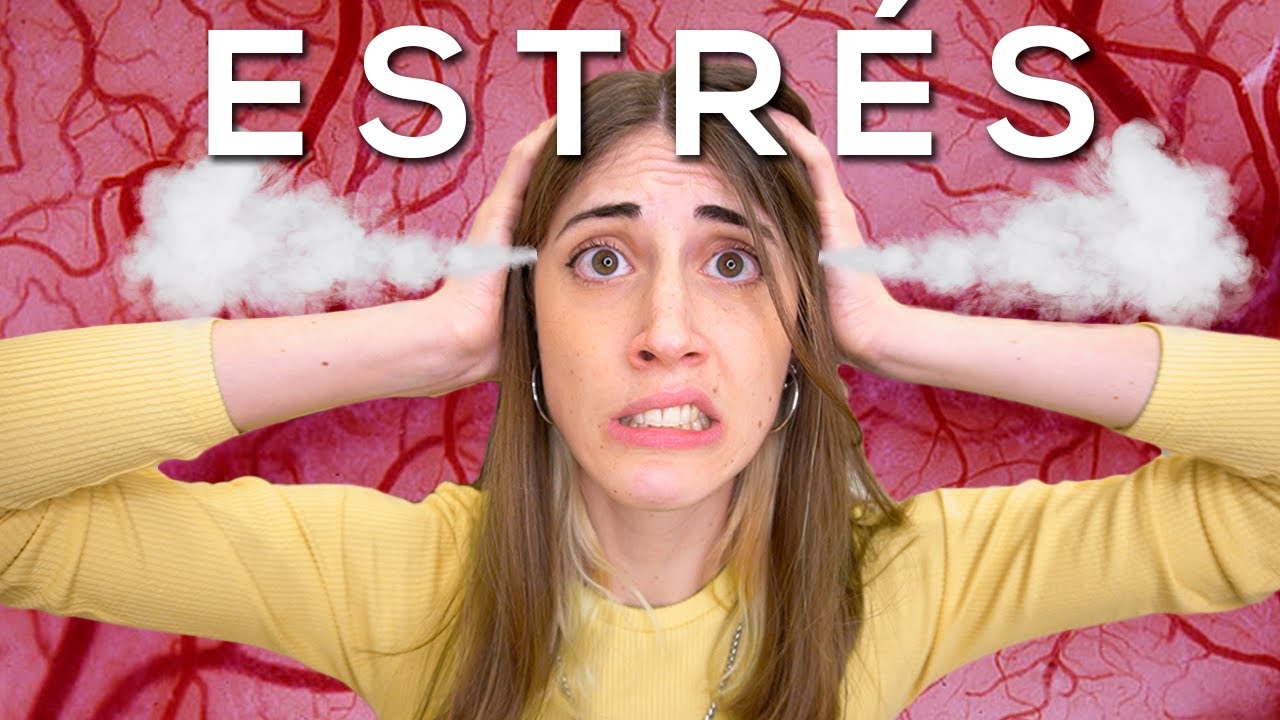
The video discusses the nature of stress, its effects on the body, and methods to manage it. It explains how stress is a response to threats to our well-being and details the physiological changes that occur in response to stress. Moreover, it highlights the difference between short-term and chronic stress, emphasizing the health risks associated with prolonged stress. Finally, the video offers practical suggestions to alleviate stress and encourages seeking professional help if needed.
- Stress is a natural response that can have physical and psychological effects.
- Prolonged stress can lead to serious health issues and chronic conditions.
Understanding Stress Responses
The video begins by identifying common stressful situations that people encounter, such as exams or public speaking. It emphasizes that while stress is a universal experience, prolonged stress can lead to health consequences. The host introduces the concept of stress and its importance to the body's homeostasis, explaining that stress arises when physical or psychological stimuli threaten this balance.
The Physiological Impact of Stress
The discussion continues with a detailed overview of how stress activates different responses within the body. The immediate response involves the nervous system signalling the adrenal glands to release adrenaline and noradrenaline. These hormones increase alertness, heart rate, and blood pressure, preparing the body for a "fight or flight" reaction. Additionally, the video covers how these hormones affect various body functions, highlighting their impact on digestion, heart health, and cognitive performance.
The Role of Cortisol
After the immediate response, the body initiates a slower reaction led by the hypothalamus and the release of cortisol. This hormone helps maintain energy supplies by increasing blood glucose levels and breaking down fats and proteins. While cortisol plays a crucial role in functioning during stressful situations, it can negatively affect the immune system and inflammatory responses over time, showcasing the body's complex responses to stress.
Chronic Stress and Health Risks
The host explains the consequences of chronic stress, such as its association with cardiovascular diseases, gastrointestinal issues, reproductive problems, and weakened immune systems. Stress that is continuous can lead to significant health risks, including heart attacks, strokes, and digestive disorders. It also alters brain structures involved in memory and decision-making, leading to potential cognitive decline.
Coping Strategies for Stress
To combat stress, the video suggests various strategies like regular exercise, relaxation techniques, and maintaining social connections. The host emphasizes that while these strategies can offer temporary relief, addressing the root causes of chronic stress often requires professional help. Seeking guidance from health professionals can provide personalized tools to manage stress more effectively.
Conclusion and Reflection
In conclusion, the video urges viewers to acknowledge the normalization of stress in society and its prevalence in daily life. The host welcomes feedback and encourages discussion about personal experiences with stress and coping methods. The importance of understanding stress and its impacts is reiterated, along with the value of seeking help when necessary.

