
Brief Summary
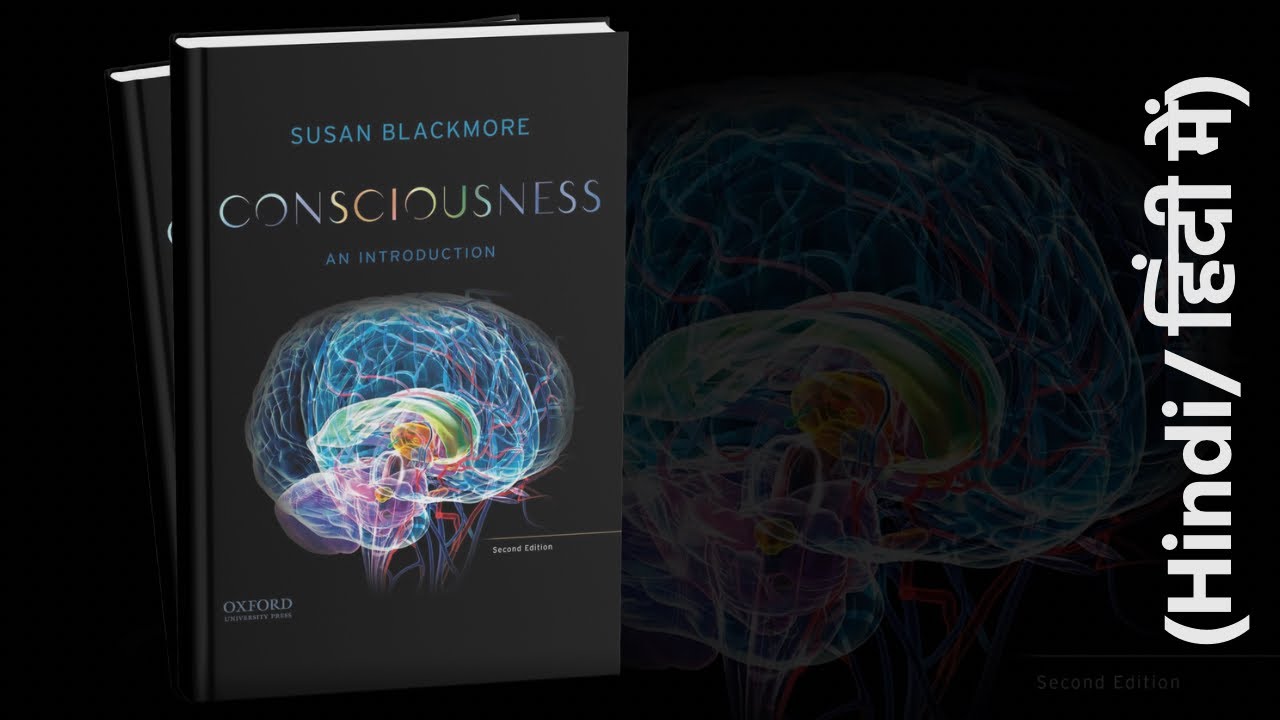
This video explores the complex topic of consciousness, addressing its definition, importance, and the challenges surrounding its understanding. Key points include:
- Consciousness is a fundamental yet challenging concept, interconnected with personal experience and subjective feelings (qualia).
- Historical views on consciousness, including dualism and materialism, are discussed, shedding light on philosophical debates, like the "Hard Problem" of consciousness.
- Neuroscience and psychology's evolving role in exploring consciousness highlight ongoing questions about the relationship between physical processes and subjective experiences.
What is Consciousness?
The video begins by asking what consciousness is, acknowledging that while it seems simple, it's quite complex. Understanding consciousness necessitates using our consciousness itself, making it difficult to grasp. Despite its simplicity, top philosophers and scientists have been grappling with consciousness for thousands of years, with significant studies underway in the 21st century, examining its role and nature.
The History and Problematic Nature of Consciousness
Historically, many scientists avoided discussing consciousness due to its challenging nature, but current research in psychology, biology, and neuroscience is addressing these "hard problems." The video discusses paradigms like dualism and materialism, where dualism posits the mind and body as separate entities while materialism argues that everything, including consciousness, is physical. The "Hard Problem," introduced by David Chalmers, refers to the difficulty of explaining how physical processes lead to subjective experiences.
Subjectivity and Qualia
The video delves into personal experiences (qualia) and their subjective nature, raising concerns about whether different people perceive reality similarly. It highlights how our personal experiences, like colors and smells, are subjective and challenging to communicate. This leads to discussions on the difficulty of bridging the gap between physical experiences and mental perceptions.
Historical Philosophical Views
Philosophers have debated the nature of consciousness for over 2,000 years, with theories like Cartesian dualism positing the separation of mind and body. Modern scientists predominantly endorse materialism, rejecting dualism. The discussion touches on how the body impacts the mind’s experiences, leading to questions about pain and subjective experience.
Understanding the Nature of Consciousness
Neuroscience is poised to address questions about consciousness, emphasizing the need to unravel complicated connections in the mind. The ongoing exploration of how brain activity elicits experiences remains a critical focal point in understanding consciousness and subjective understanding.
The Role of Experiences
The discussion emphasizes that understanding consciousness requires examining the core of experiences and subjective feelings. It questions what it means to experience things subjectively and how they tie into personal identity, showcasing the inherent complexities of consciousness.
Consciousness and Its Implications
The video discusses whether consciousness is an extra element within living beings or an intrinsic part of them. It presents a key philosophical question: how does the brain's physical state create subjective experiences like feelings? These inquiries serve as a foundation for ongoing research and insight into consciousness.
Philosophers and Scientists Debate Consciousness
Notable philosophers and scientists present differing views on consciousness, ranging from Patricia Churchland's viewpoint that the “hard problem” may not exist to Thomas Nagel's focus on subjective experiences. Their discussions reveal the complexity and multifaceted nature of consciousness in humans and potentially other living beings.
Exploring the "Self" and Consciousness
The video introduces the idea of the self, questioning its existence and nature. Philosophers have extensively examined how humans perceive their identities and how that relates to their consciousness. Self-awareness, personal identity, and the interconnectedness of experiences and perceptions are crucial aspects explored in this context.
Consciousness in the Context of Science
The correlation between brain functionality and consciousness is significant. The video outlines how the human brain operates and interacts with subjective experiences through various neurons and networks. It emphasizes the ongoing challenge for scientists to explain how consciousness arises from these neural activities.
Consciousness and Its Illusions
The concept that consciousness may be an illusion is presented, challenging standard perceptions of reality. This conclusion suggests that experiences may not necessarily point to an underlying self, complicating the notion of consciousness further.
The Impact of Meditation
The exploration of altered states of consciousness through practices like meditation showcases its ability to influence subjective experience. The video discusses different techniques and their potential effects on mindfulness, perceptions, and self-awareness, illustrating how meditation may help individuals understand their consciousness better.
Summarizing Consciousness
The video culminates with reflections on consciousness as an elusive yet critical aspect of human experience. It raises questions about identity, perception, and what it truly means to be conscious. Engaging with these questions initiates deeper inquiries into the world and our experiences within it.

