
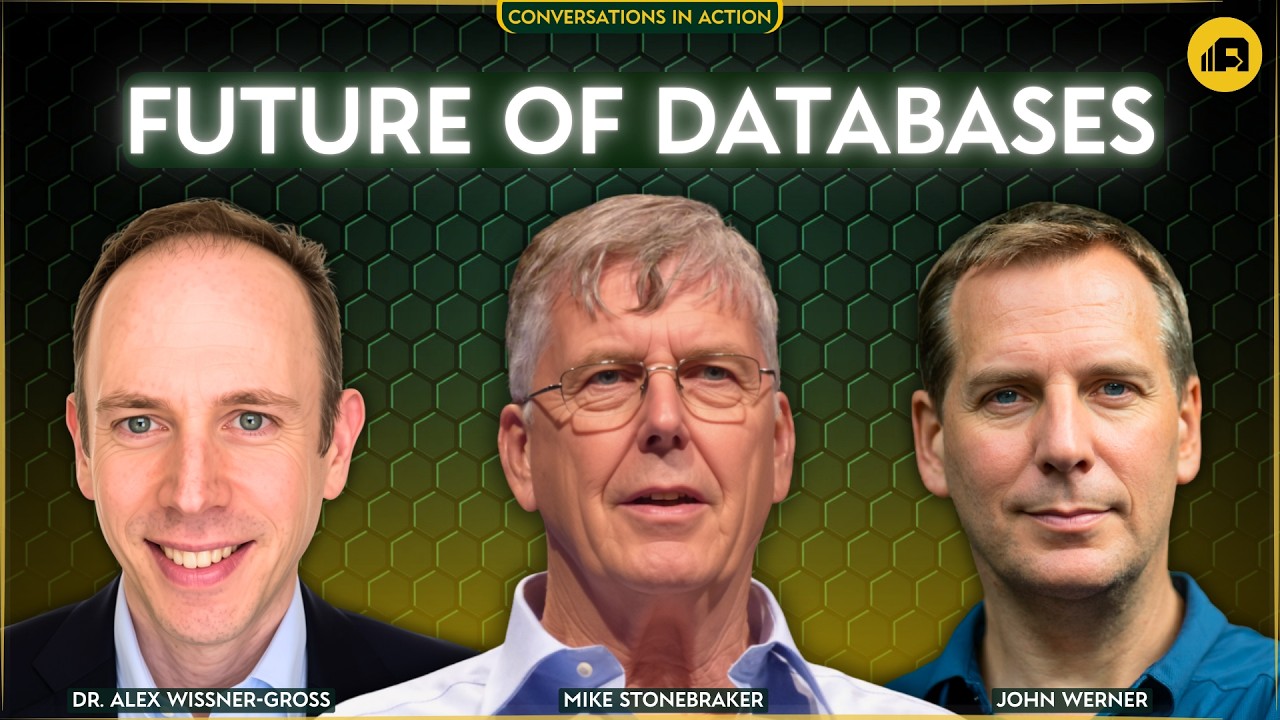
Brief Summary
The discussion centers around the future of computer science, emerging technologies, and the insights of Turing Award winner Mike Stonebraker. Key topics include the evolution of AI, the shortcomings of current database models, and the challenges of modern data management. Stonebraker emphasizes the importance of a strong foundational understanding of technology and forecasting the roles AI may play in the future.
- The relevance and future of computer science.
- Stonebraker's experiences and predictions about AI and technology.
- Insights into relational databases and enterprise data challenges.
Does Computer Science Have a Future?
The discussion starts with a query regarding the future of computer science. Stonebraker reflects on the ongoing importance of computer science, but suggests caution about its evolving landscape, especially with the advent of AI technologies. He notes that while new technologies emerge, there remains a vital need for foundational knowledge and skills in the field.
Meet Turing Award Winner Mike Stonebraker
The conversation introduces Mike Stonebraker, recognized as a pivotal figure in the development of modern relational databases, having founded several influential database systems. He is celebrated for his bold insights and contributions over decades, and the conversation highlights his legacy and ongoing projects in AI and data management.
Are LLMs Breaking the Relational Database Model?
Stonebraker addresses concerns about Large Language Models (LLMs) potentially undermining traditional relational database structures. He argues that while there is a trend towards using LLMs in data handling, these models lack the structured approaches characteristic of relational databases, which he believes are still essential for accurate data processing.
What Is Agentic AI?
Agentic AI is defined as systems capable of making decisions and taking actions based on data inputs. Stonebraker describes his work with Agentic AI in real-world applications, illustrating how integrating disparate data sources is essential for responding to user queries effectively. He critiques the limitations of existing AI approaches in handling complex data environments.
Why Text to SQL Still Falls Short
The conversation critiques the efficacy of translating natural language queries into SQL commands. Stonebraker outlines four primary obstacles, including data privacy issues and the complexities of existing schemas that prevent LLMs from training on real-world data sources effectively, suggesting that real-world applications often exceed the capabilities of current models.
Can AI Understand Enterprise Data?
Stonebraker argues that AI struggles with enterprise data largely because most data exists behind firewalls and is poorly structured. He shares insights into how traditional LLMs fail to navigate the unique idiosyncrasies of enterprise databases, making them less effective than anticipated in real-world scenarios.
Rethinking the Cloud With DBOS
Stonebraker discusses his current project, DBOS, advocating for a new operating system model that integrates tightly with databases rather than treating them as separate entities. He believes this could enhance the resiliency and efficiency of cloud-based applications significantly and addresses the limitations of existing infrastructures.
What Happens When AI Agents Take Action?
The potential consequences of AI agents making autonomous decisions are examined. Stonebraker highlights the need for frameworks to manage actions taken by AI, with a focus on the implications of unwinding transactions and ensuring data integrity across various applications.
Stonebraker's Path Into Computer Science
Stonebraker shares his journey into computer science, detailing his educational background and the crucial decisions that led him to become a pioneer in relational databases. His experiences reflect the evolving nature of technology and the vital role of continuous learning in this field.
How Oracle Beat Ingres
The discussion addresses the competitive landscape between Oracle and Ingres in the relational database market. Stonebraker notes that despite the technical merits of Ingres, Oracle's strategic decisions around SQL adoption and aggressive marketing contributed significantly to its dominance.
Why Postgres Won
Stonebraker explains the meteoric rise of Postgres as a leading database technology, attributing its success to its open-source nature and community support. He reflects on how the lack of ownership played a crucial role in fostering a collaborative development environment.
The Database Based Operating System
DBOS is further discussed as a revolutionary concept where applications run on top of a database, fundamentally changing how operating systems could function. Stonebraker emphasizes the advantages of a durable and recoverable state within application workflows.
How Claude Changes Software Development
The impact of AI on software development processes, particularly the Claude model, is explored. Stonebraker discusses how such advancements could allow for the rapid rewriting and adaptation of software, challenging traditional development paradigms.
AI and the Technical Debt Problem
The conversation shifts to technical debt within enterprises, highlighting how outdated systems hinder innovation and progress. Stonebraker advocates for leveraging AI to address these challenges and reduce the burden of legacy code on organizations.
Git vs. Relational Databases
A comparison between Git-style data structures and relational databases is made, discussing their unique benefits and drawbacks. Stonebraker argues for the advantages of relational models in certain applications despite the appeal of newer paradigms like Git.
Do Graph Databases Have a Future?
Stonebraker expresses skepticism about the long-term viability of graph databases, citing performance issues in practical applications. He stresses that while there are scenarios where graphs could excel, they have not yet demonstrated clear advantages over relational databases.
The Future of the Turing Award
Looking ahead, Stonebraker reflects on the future of the Turing Award and its significance in recognizing innovation in computer science. He debates the criteria that may evolve to include contributions from disciplines beyond traditional computer science, particularly as AI continues to advance.
Does Computer Science Have a Future?
The discussion revisits the future of computer science, with Stonebraker acknowledging the disruptive potential of AI but emphasizing the continued relevance of foundational skills in computing and data management.
What Should an 18 Year Old Study?
Stonebraker provides advice for young individuals entering the workforce, recommending fields such as healthcare and trades due to their perceived stability in contrast to the rapidly changing tech landscape. His insights suggest a need for adaptability in evolving environments.
Why Stonebraker Says Learn Chinese
He advocates for learning Chinese, arguing that globalization and advancements in technology may lead to greater integration of Chinese companies and culture in the work environment, reflecting on the shifting dynamics of global power and influence.
AI, China and the Future of Technology
The intersection of AI development and competition with China is addressed, with Stonebraker expressing concerns about the potential dominance of Chinese companies in future technological spheres. He emphasizes the importance of understanding these global trends.
What Happens When Machines Take Over?
The final segment considers the implications of machines becoming integral to various aspects of life and work. Stonebraker raises questions about humanity’s role in a future where AI operates autonomously, pondering the balance between human oversight and machine efficiency.

