
Brief Summary
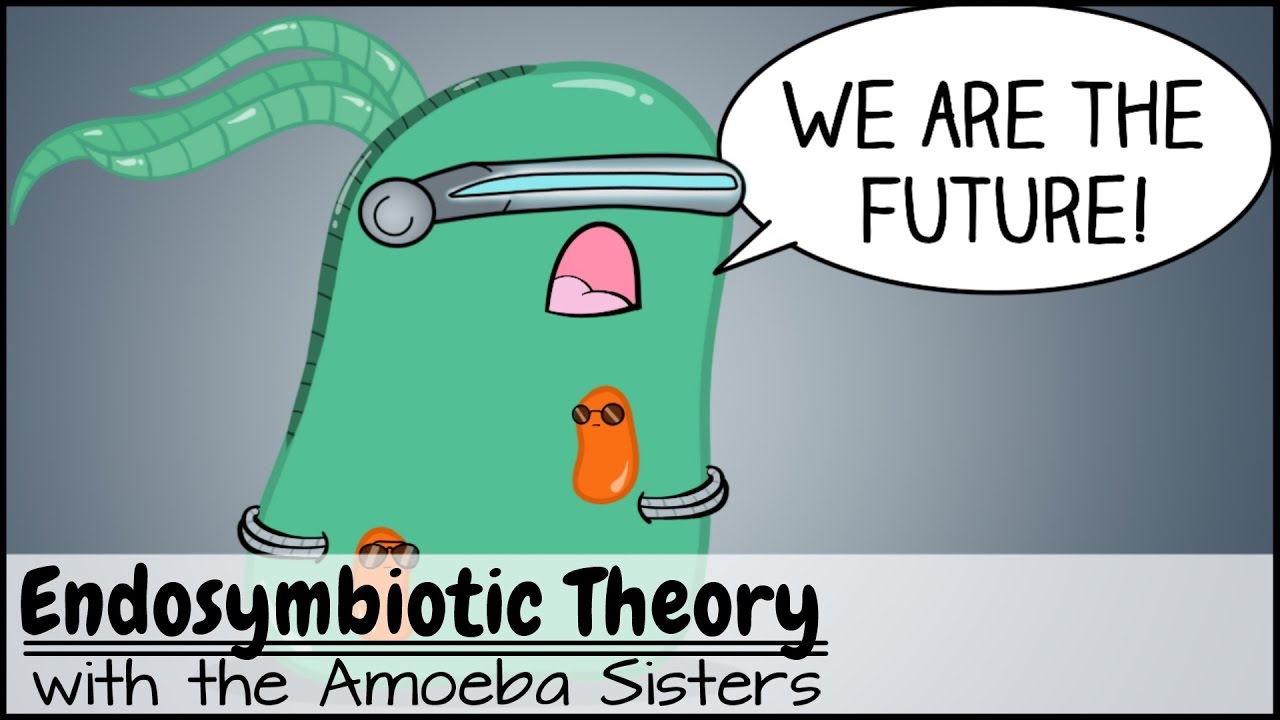
This video discusses the endosymbiotic theory, which explains how eukaryotic cells evolved from prokaryotic cells that lived in symbiosis. It highlights important characteristics of prokaryotes and eukaryotes, details about the ancestors of eukaryotes, and provides evidence supporting the theory, such as the unique DNA of mitochondria and chloroplasts. The video also emphasizes that endosymbiosis continues to occur in current organisms.
- Scientific theories are well-supported explanations, not mere guesses.
- Endosymbiotic theory describes the evolution of eukaryotic cells from prokaryotic cells through symbiosis.
- Evidence for the theory includes the independent DNA and division of mitochondria and chloroplasts.
Understanding Scientific Theories
The video starts by defining a scientific theory as a well-supported explanation rather than an educated guess. It stresses that scientific theories must be testable and are based on a significant amount of evidence, and while they can evolve over time, they are not arbitrary.
Introduction to Endosymbiotic Theory
This chapter introduces the endosymbiotic theory, highlighting its significance in explaining how eukaryotic cells evolved from prokaryotic cells that coexisted. The presenters express their admiration for this theory due to the fascinating nature of the events it describes.
Prokaryotes vs. Eukaryotes
The difference between prokaryotic and eukaryotic cells is clarified here. Prokaryotes are described as "pro" for no nucleus and lacking membrane-bound organelles. In contrast, eukaryotes have a nucleus and organelles. Both types share common features such as cell membranes and genetic material.
The Evolution of Eukaryotic Cells
The chapter narrates a historical perspective, indicating that over 2 billion years ago, prokaryotes existed with variations among them. Some had photosynthetic abilities, while others could produce ATP energy or engulf surrounding organisms.
The Mechanism of Endosymbiosis
It details how larger prokaryotic cells engulfed smaller photosynthetic bacteria without digesting them, leading to a symbiotic relationship. This event marked the emergence of the ancestor heterotroph eukaryotic cell. Later, some cells also engulfed photosynthetic bacteria, leading to the emergence of the ancestor autotroph eukaryotic cell.
The Role of Mitochondria and Chloroplasts
The chapter identifies the transition of certain bacteria into mitochondria, which provided energy from oxygen, while others evolved into chloroplasts, which harness sunlight. Most eukaryotic cells possess mitochondria, and the chapter notes that chloroplasts are present in eukaryotes capable of photosynthesis.
Evidence Supporting Endosymbiotic Theory
Evidence supporting the endosymbiotic theory is presented here. Both mitochondria and chloroplasts contain their own DNA, which resembles bacterial DNA in structure. Furthermore, their size and methods of division are similar to those of bacteria, bolstering the theory's credibility.
Exploring Further Questions
The video encourages viewers to further explore the concept of secondary endosymbiosis and raises questions about the other structures in eukaryotic cells. This signifies the ongoing inquiry and potential for deeper understanding in cellular biology.
Endosymbiosis Today
Endosymbiosis is not merely a concept from ancient history; it actively occurs in modern organisms. An example provided is termites, which rely on prokaryotes in their guts to help digest wood effectively, illustrating the continued importance of symbiotic relationships today.

