
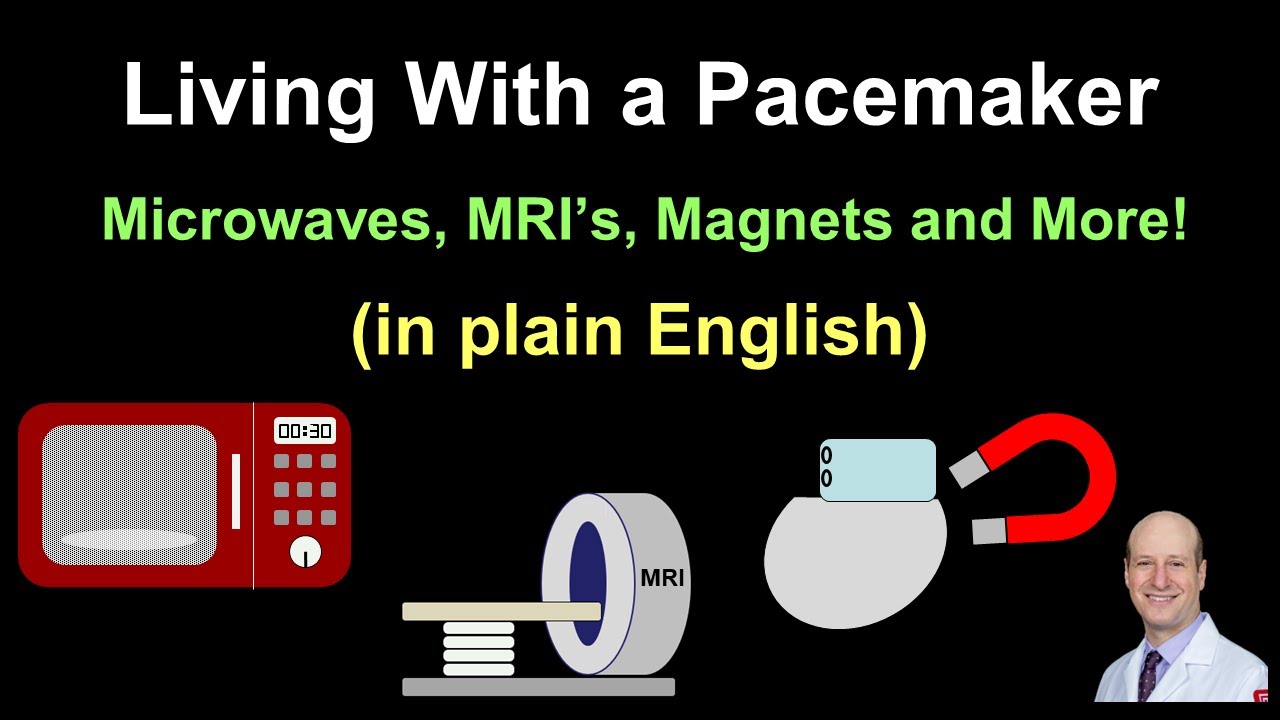
Brief Summary
This video by Dr. Joshua Cooper provides a thorough explanation of pacemakers, their functions, and common questions related to living with a pacemaker. Key points include:
- A pacemaker is an implanted device that helps regulate slow heartbeats.
- There are two main types of slow heartbeat problems that pacemakers address: issues with the sinus node and AV node.
- Common questions include maintenance, impact on daily life, and safety with various activities.
Understanding Pacemakers
Dr. Joshua Cooper introduces the video by explaining the purpose and function of a pacemaker, which is an essential device for treating various types of slow heartbeat issues. A pacemaker consists of a small computer and battery enclosed in a sealed compartment, implanted under the skin of the chest and connected to wires that lead directly into the heart.
How the Heart's Electrical System Works
The heart's electrical system begins its functions at the sinus node, the heart's natural pacemaker, which initiates electrical signals for each heartbeat. These signals travel to the top chambers of the heart, followed by a delay at the AV node, which allows the bottom chambers to pump blood effectively. The heart's performance is monitored using EKGs, which show the coordination of electrical signals during normal heart activity.
Types of Slow Heartbeat Problems
Two primary issues can lead to slow heartbeats. The first involves the sinus node failing to generate timely beats, resulting in symptoms such as weakness and faintness. A pacemaker compensates for this by sending electrical signals to restore a proper heart rate. The second issue occurs when the AV node fails to transmit signals effectively, potentially leading to an emergency situation if the bottom chambers stop working altogether. A pacemaker can also help here by coordinating and stimulating the lower chambers as needed.
Causes of Electrical System Malfunctions
The decline of the heart's electrical system often correlates with aging. However, other factors can lead to malfunctions, including heart attacks, infections (like Lyme disease), inflammation from conditions such as sarcoidosis, and medications that may slow heart activity. Damage from surgical procedures, including valve repairs, can also impair the electrical system.
Maintenance and Monitoring of Pacemakers
Patients often ask about the maintenance of pacemakers, which generally involves periodic checks through a programmer device that retrieves data wirelessly from the pacemaker. Remote home monitors allow at-home monitoring and provide detailed reports on battery status, heart rates, and any arrhythmias noticed.
Pacemaker's Role in Atrial Fibrillation
Dr. Cooper clarifies that while pacemakers do not treat atrial fibrillation, they can monitor its occurrence, maintaining records of arrhythmias and their characteristics, such as date, time, and heart rates during episodes.
Daily Life with a Pacemaker
Many daily activities and household devices, including microwaves and cell phones, can be used safely with a pacemaker, as modern devices have minimal interference. Travelers can pass through metal detectors with potentially no damage to their pacemakers, although they may need to undergo a pat-down search.
Medical Testing with Pacemakers
Patients can typically undergo various medical tests while having a pacemaker in place. MRI procedures require temporary reprogramming to specific settings to ensure safety, while X-rays and ultrasounds pose no risk and need no adjustments.
Precautions for Certain Occupations
Certain professions involving high electromagnetic fields, such as working with high voltage power lines or arc welding, may require caution since they can affect pacemaker function.
Magnet Impact on Pacemakers
Strong magnets can trigger the pacemaker's magnetic safety switch, causing it to pace consistently, ignoring heartbeats. This feature is beneficial in emergency settings, allowing healthcare providers to maintain pacing when a malfunction occurs.
Impact of Pacemakers at End of Life
Dr. Cooper discusses concerns regarding pacemaker function in patients nearing the end of life, confirming that a pacemaker will not prolong dying, and once the body stops functioning, the heart will cease beating, regardless of the pacemaker's activity.
Pacemaker Deactivation in Palliative Care
When considering palliative or hospice care, it is usually not recommended to deactivate a pacemaker since it may lead to a return of prior symptoms the pacemaker was addressing, potentially worsening a patient's quality of life.
Types of Pacemakers
Dr. Cooper introduces leadless pacemakers as an alternative to traditional pacemakers. These devices are inserted directly into the heart without wires, and there are versions for coordinating the upper and lower chambers as well, highlighting advances in technology.
Additional Purposes for Pacemakers
Besides treating slow heartbeats, pacemakers can also help in coordinating heart pumping for patients with specific heart conditions. Approaches include biventricular pacing and left bundle branch pacing to improve synchronization in heart chambers.

