
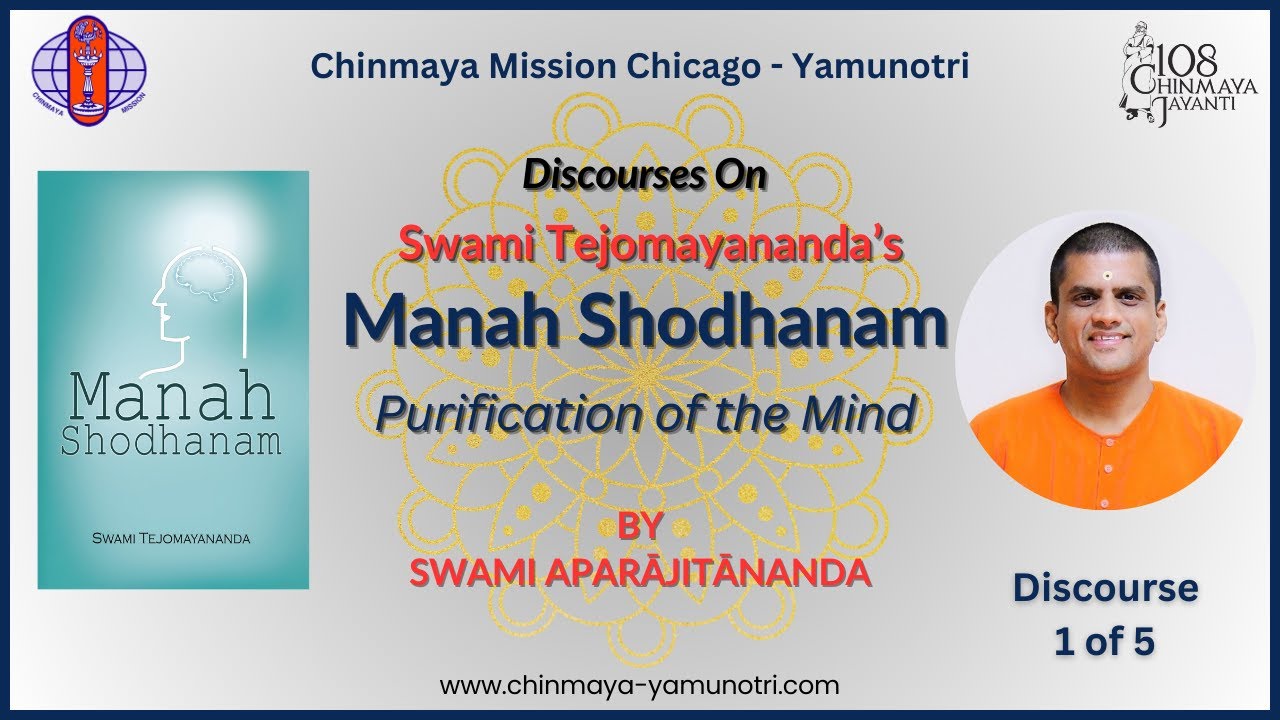
Brief Summary
The video discusses the importance of mind purification as introduced in the text "Manan Shana." It details how an impure mind leads to various forms of suffering and instability in life. The speaker emphasizes that purification is essential for everyone, not just spiritual seekers, highlighting the various aspects where an impure mind affects one's happiness, peace, and understanding of reality.
- An impure mind causes unhappiness and suffering.
- Purification is necessary to achieve clarity and bliss.
Introduction to Mind Purification
The speaker starts by welcoming the audience and introduces the text "Manan Shana," which focuses on the purification of the mind. It is composed by Guruji and draws upon verses from the "Shat Bhagavatam." The initial discussion emphasizes the importance of mind purification for both spiritual and secular individuals, arguing that it is critical for overall well-being.
Consequences of an Impure Mind
The speaker outlines how an impure mind is a source of torture and unhappiness. An impure mind interprets situations negatively, leading to a life filled with complaints and misery. This interpretation is crucial since the mind mediates the relationship between the external environment and personal experience.
The Four Problems of an Impure Mind
The video identifies four significant issues caused by an impure mind:
Torturing Mind: An impure mind creates unhappiness, making individuals experience suffering regardless of the external environment's nature.
Deluding Mind: An impure mind leads to misconceptions about reality, making a person stray from the right path and instilling a sense of confusion.
Enslaving Mind: An impure mind limits personal freedom and autonomy, causing people to react to life's challenges as slaves to their desires and fears.
Alienating Mind: It separates individuals from their intrinsic connection to higher consciousness or God, resulting in a lack of spiritual fulfillment.
The speaker states that these negative traits lead to one’s metaphorical death, calling for urgent action to purify the mind.
Ten Topics of Purification
The speaker lays out ten topics covered in the upcoming verses on the purification of the mind. These topics include the necessity of purification, various impurities of the mind, and techniques for purification, indicating a comprehensive guide on achieving a pure mind.
Starting with the Text
The introduction to the text begins, focusing on the first verse, which emphasizes the auspicious act of remembering God. The speaker explains that the first step in any action should be to invoke divine guidance, as this sets a positive foundation for further learning and purification efforts.
Understanding the Self and God
The discussion transitions to self-awareness and the connection between the individual self (Atma) and the universal self (Paramatma). The speaker emphasizes that everything revolves around the individual’s understanding of 'I' and how that relates to the greater concept of divinity.
The Journey Towards Realization
The journey from ignorance to self-realization is illustrated. The speaker describes a gradual progression where an individual shifts from identifying solely with the ego to awakening to a higher sense of self. This process involves surrendering the ego in favor of embracing a more profound spiritual understanding.
Importance of Knowledge
The speaker discusses the essential nature of knowledge as a tool for eliminating ignorance. It is emphasized that true understanding comes from within and does not require external validation or instruments. Clarity and acceptance of one’s inherent nature is the ultimate goal.
Mind as an Obstacle
The discussion deepens around the concept of the mind as both a necessary instrument and a potential obstacle in realizing the true self. The speaker asserts that to know consciousness, the mind must be purified and quieted, which allows for a true understanding of the self to emerge.
Climbing the Pole
A metaphorical illustration describes climbing a pole to reach a higher level, representing the need for mind purification before achieving self-realization. The speaker indicates that one must use their mind as an instrument to elevate consciousness before transcending the mind entirely.
Conclusion and Call to Action
The speaker concludes with a strong emphasis on the necessity of mind purification as an ongoing journey. This purification process is framed as essential not only for spiritual growth but also for leading a fulfilling life. The next sessions will delve deeper into these concepts.

