
Brief Summary
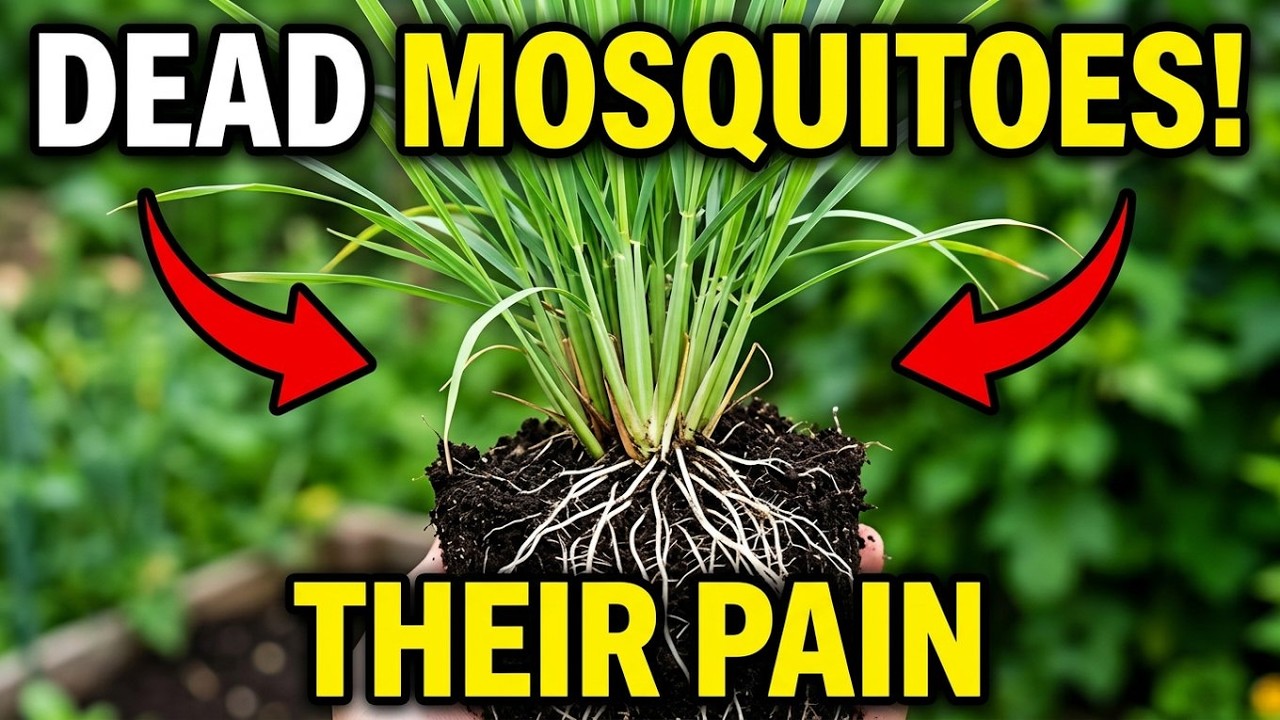
The video discusses the potential of catnip as a highly effective mosquito repellent, far surpassing DEET, the commonly used synthetic chemical. Catnip's essential oil, nepetalactone, repels mosquitoes at ten times the effectiveness of DEET, yet it remains widely overlooked while commercial products dominate the market. The presenter explains the science behind catnip's effectiveness, its ecological advantages, and shares how viewers can cultivate and utilize it to create a natural barrier against mosquitoes.
- Catnip is 10 times more effective than DEET for repelling mosquitoes.
- The commercial mosquito repellent industry suppresses knowledge of catnip due to economic reasons.
The Overlooked Mosquito Repellent
The video begins by highlighting a weed found in many American states that is largely ignored—catnip. Scientists at Iowa State University conducted tests comparing catnip oil to DEET, revealing that catnip oil is approximately ten times more effective at repelling mosquitoes. Despite its effectiveness, catnip is not widely recognized, while other mosquito-repelling plants have been made illegal in various states. The presenter sets the stage to identify this game-changing plant and address common misconceptions.
The Business of Bug Spray
The video discusses how the mosquito repellent industry thrives on ineffective products. It describes the cycle of using commercial repellents that manage mosquito problems without solving them, leading consumers to purchase repeatedly. This dependency on recurring sales serves the industry well, while catnip, a free and natural alternative, remains unmarketed and unrecognized.
Scientific Evidence and Catnip
In 2001, researchers found that 1/10 as much catnip oil was needed compared to DEET to achieve the same level of mosquito repellent effectiveness. The active compound in catnip, nepetalactone, creates a strong aversive reaction in mosquitoes without affecting humans, making it a remarkable natural solution for pest control.
The Mechanism Behind Catnip's Effectiveness
Catnip activates a biological alarm receptor in mosquitoes, causing them to flee as if they are experiencing pain. This reaction is unique to mosquitoes, as it does not have a similar effect on humans. The presenter emphasizes how nature has provided a powerful solution that has been largely forgotten in favor of commercially sold products.
Economic Suppression of Natural Solutions
The lack of economic incentive to promote catnip is explored. Since catnip can be grown by individuals without a cost, it threatens the profit margins of the $7 billion mosquito repellent industry. The presenter argues that suppression occurs not through direct bans but rather through neglect and lack of marketing.
How to Cultivate Catnip
To use catnip effectively, it should be planted as a dense border around living areas. By maintaining close spacing, it creates a continuous barrier that mosquitoes cannot cross. Catnip is a hardy perennial that requires minimal maintenance and can thrive year after year with little cost.
Releasing Catnip's Power
For optimal effectiveness, catnip must be bruised or crushed to release nepetalactone. The presenter shares best practices for engaging with the plant to maximize its repelling qualities, such as brushing against the leaves or crushing them before applying the oil to wrists and ankles.
Banned Plants and Patterns of Control
The presenter discusses other historically useful plants that have been banned or labeled as noxious, such as tansy and lantana, emphasizing that some effective natural solutions have been suppressed due to their potential threat to commercial products. The system typically supports products requiring repeated purchases rather than beneficial plants that can be grown at home.
Final Thoughts on Natural Pest Control
The video concludes by encouraging viewers to take back control over mosquito problems by utilizing catnip and other plants. The emphasis is on planting knowledge that has been obscured and recognizing the importance of natural solutions to pest control. The presenter invites viewers to share this information and further explore their gardening options for a healthier, chemical-free approach to pest management.

