
Brief Summary
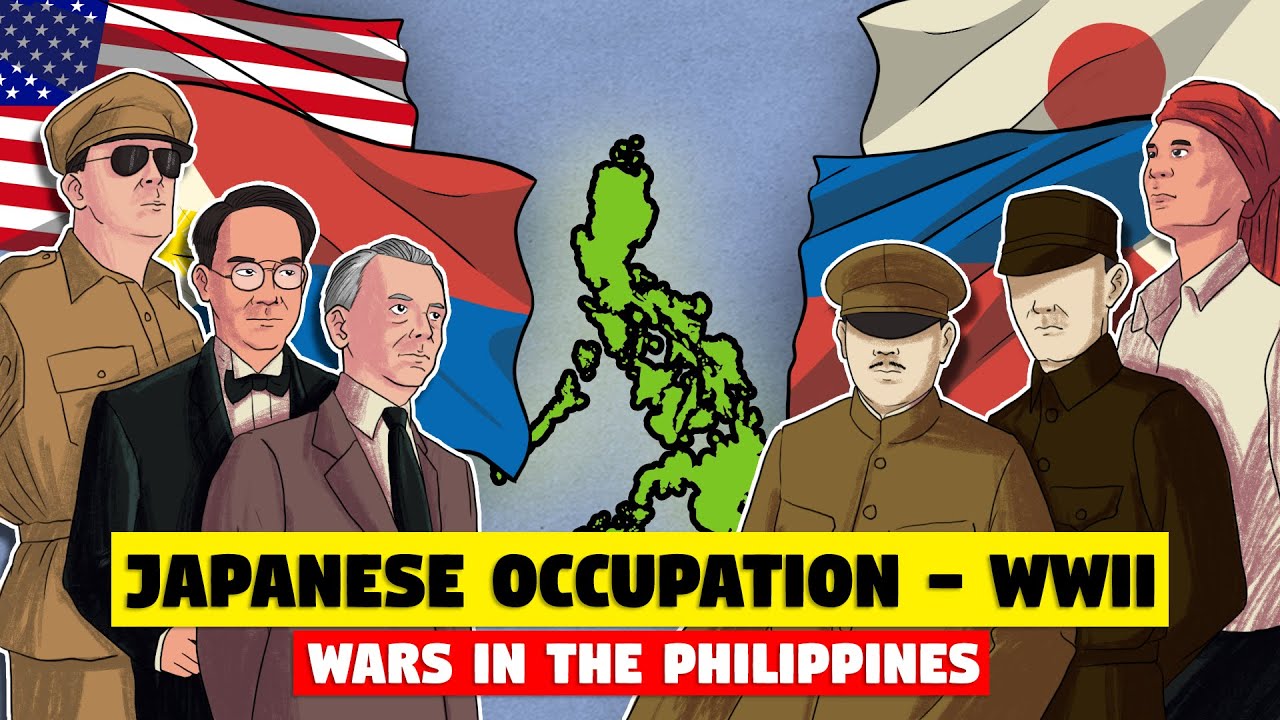
This video recounts the history of the Philippines during World War II, focusing on the Japanese occupation, the American response, and the struggles faced by Filipinos. It covers Japan's motivations for expansion, the attack on Pearl Harbor, significant battles, and the effects of the occupation on Filipino society.
- Japan expanded to access natural resources and due to strong nationalism.
- The U.S. declared war on Japan after Pearl Harbor and lost several territories in the Philippines.
- Filipinos suffered greatly under Japanese control but formed guerrilla groups that provided information to the Allies.
Japan's Expansion and Prelude to War
Japan, motivated by a search for natural resources and a strong sense of nationalism, began expanding into Southeast Asia despite being a small country. Their desire for resources like oil and rubber helped fuel this expansion. The United States initially did not plan to enter World War II, but the bombing of Pearl Harbor by Japan changed that, leading to the U.S.’s involvement in the war.
The Impact of the Pearl Harbor Attack
Following the attack on Pearl Harbor on December 7, 1941, Japan aimed to swiftly weaken U.S. influence in the Pacific. They launched simultaneous attacks in the Philippines, targeting several locations such as Clark Field and Manila. General McArthur declared Manila an open city to prevent destruction, but the Japanese continued their offensive.
The Invasion of the Philippines
On December 8, 1941, the Japanese forces began to invade the Philippines, landing in various locations almost without resistance due to the depletion of American airpower. By January 2, 1942, the Japanese had taken Manila. The lack of opposing military strength was evident as General McArthur and the Commonwealth leaders had to make critical evacuation decisions.
Struggles and Surrender in Bataan
With the U.S. forces overwhelmed, General Edward P. King decided to surrender in Bataan on April 9, 1942. Around 78,000 troops surrendered, which became infamous due to the brutal treatment they endured during the subsequent Death March. Meanwhile, the Japanese tightened their grip on the Philippines, leading to extreme suffering among the population.
Life Under Japanese Occupation
Under Japanese rule, life became increasingly difficult as they enforced harsh measures and imposed economic hardships. Economic disruption led to hoarding of goods and the emergence of a black market. Despite being considered a puppet government, President Jose P. Laurel attempted to alleviate suffering by promoting local agriculture and education reform.
Resistance and Guerrilla Warfare
Despite the challenges of occupation, many Filipinos resisted through guerrilla warfare. They formed units that reported on Japanese movements and shared information with Allied forces, maintaining hope for the return of American support. The situation amplified the Filipino spirit of resistance, even as harsh realities continued to afflict the population.
The Return of American Forces
Beginning in late 1944, American forces made their return to the Philippines in a campaign to reclaim occupied territories. Battles such as the Philippine Sea were significant as the U.S. gradually regained ground. By February 3, 1945, American forces liberated Manila, leading to the joyful release of prisoners and marking a pivotal turning point in Philippine history.
End of Occupation and Struggles Ahead
The end of Japanese occupation was a hard-fought victory for the Filipinos, demonstrating their resilience and determination for independence. However, the aftermath of World War II would require further struggle as the Philippines aimed for sovereign governance and recovery from the devastation caused by the war.

