
Brief Summary
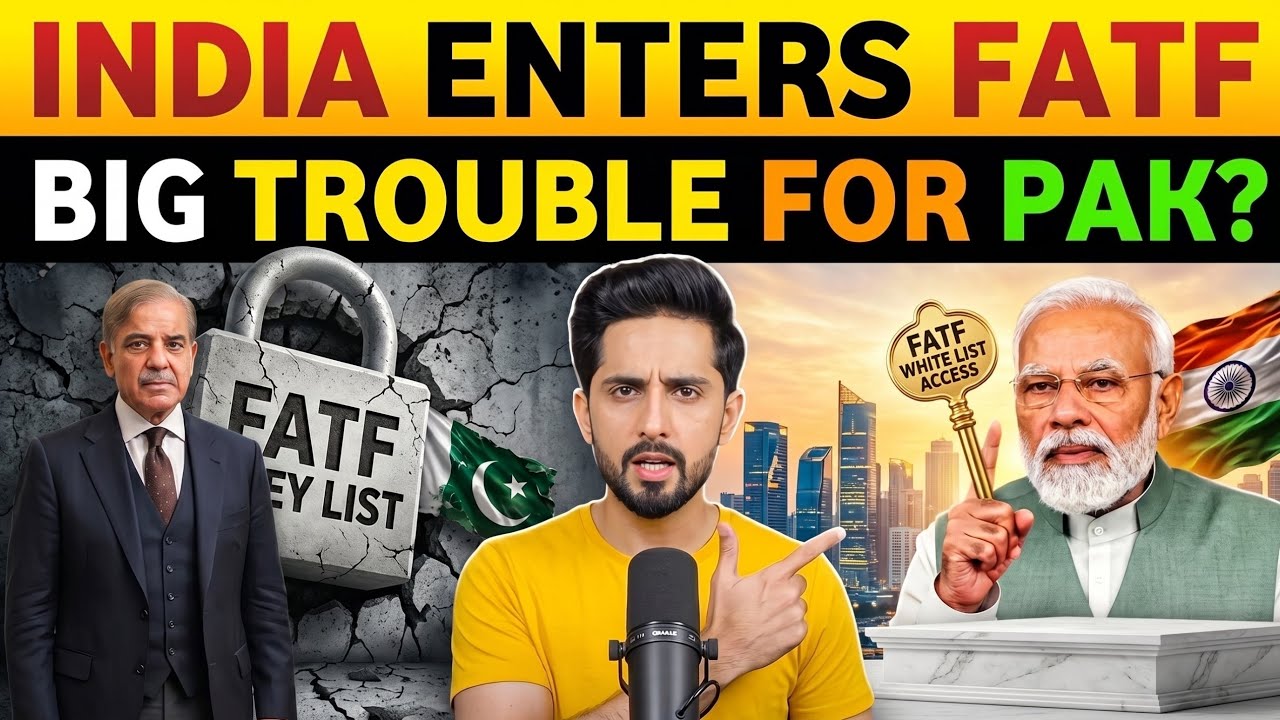
This video discusses the possibility of Pakistan being placed back on the Financial Action Task Force (FATF) gray list. It explores the connections and influence of Vivek Aggarwal, the current Vice President of FATF, to the Indian government, and examines historical instances of Pakistan's previous listings with FATF. The video also addresses the current geopolitical situation between Pakistan and Afghanistan, including Taliban threats against the Pakistani embassy in Kabul, and the potential impact on Pakistan's international image.
- Discussion on Pakistan's potential return to the FATF gray list amidst new political developments.
- Examination of the influence of Indian officials on FATF decisions and the historical context of Pakistan's listings.
- Analysis of the evolving relationship between Pakistan and Afghanistan, particularly in light of recent Taliban statements.
FATF Concerns and Pakistan's Gray Listing
The video opens with concerns about Pakistan potentially facing another gray listing by the FATF. It references Vivek Aggarwal, the newly appointed Vice President of FATF, and speculates on his connections to the Indian government. The video outlines that Pakistan has previously been on the FATF gray list multiple times, emphasizing the significance of evidential claims against it regarding terrorism and money laundering. It is noted that any country that demonstrates a lack of control over terrorist financing or illegal activities could be placed under scrutiny and potentially listed.
Collaboration and International Tensions
The discussion turns to incidents involving terrorist activities and money laundering, focusing on how Pakistan has faced allegations primarily from India. The narrative stresses that India has consistently lobbied for Pakistan's listing, especially in international bodies such as the FATF, based on conversations surrounding certain individuals and groups allegedly operating from Pakistan. It is also highlighted that international scrutiny towards Pakistan remains inherent, especially because of existing groups alleged to originate from its territory.
Current Geopolitical Situation
In the context of the ongoing conflict, the video discusses the fraught relationship between Pakistan and Afghanistan under the Taliban's rule. A notable statement from the Taliban suggests that they may close the Pakistani embassy in Kabul, to which Pakistan responds with a warning of reciprocation. This escalating tension raises concerns about Pakistan’s international reputation and security. The video posits that sophisticated technology, such as drones, may now be used by the Taliban to conduct surveillance within Pakistan despite Afghanistan’s limited technological advancements.
Pakistan's Security and International Image
The video further articulates that Pakistan needs to address its security challenges, especially regarding its border with Afghanistan. The host reflects that the emergence of threats from Afghanistan necessitates a reassessment of Pakistan's diplomatic and security strategies. Furthermore, the discussion recalls prior fears regarding Indian surveillance and espionage through agencies like RAW, but now includes concerns about Afghan intelligence measures as well.
Conclusion and Recommendations
To conclude, the video emphasizes the need for Pakistan to enhance its international standing and prevent being re-listed on the FATF gray list. It suggests implementing stricter controls over finances related to religious organizations to combat accusations of funding terrorism. It advocates for greater technological investment and improved systems to eradicate illegal financial activities. The host calls for the development of a robust strategy that projects Pakistan as a nation free of terror financing connections to mitigate ongoing international criticism.

