
Brief Summary
This video explains randomized controlled trials (RCTs) as a method for conducting impact evaluations. Key points include:
- RCTs involve comparing groups receiving an intervention with those that do not, using random assignment.
- Practical examples, like a UNICEF trial in Pakistan, illustrate the use of RCTs in evaluating early childhood development interventions.
- RCTs have specific requirements and limitations, including the need for a sufficiently large sample size and carefully planned implementation.
Introduction to Randomized Controlled Trials (RCTs)
The video introduces randomized controlled trials (RCTs) as a method for evaluating the impact of interventions. It outlines considerations such as evaluation building blocks including research design, data collection, and analysis. RCTs compare at least two groups (intervention and control) to measure the effects of an intervention.
Case Study: Early Childhood Development in Pakistan
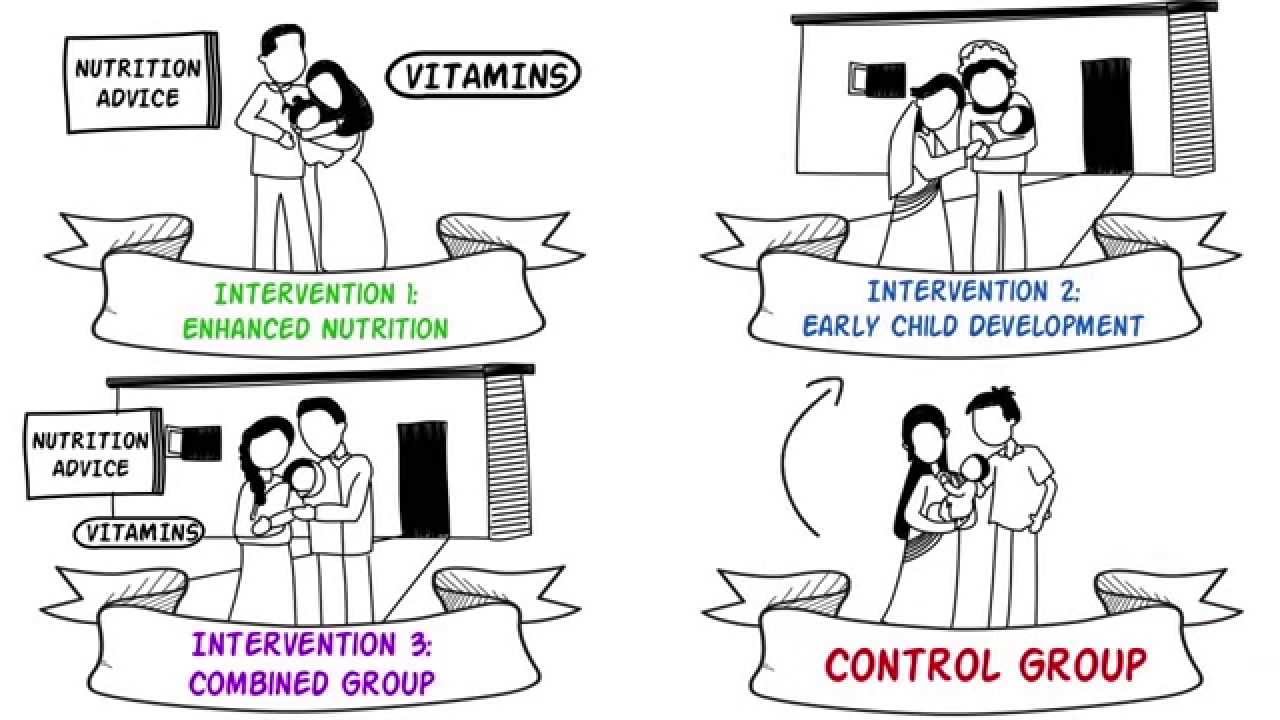
UNICEF funded a trial in Pakistan for early childhood interventions aimed at improving health outcomes. Hundreds of children were randomly selected to participate, with the study taking place over 24 months. Participants were assigned to either intervention or control groups through random assignment, crucial for validity.
Complex RCT Designs
In more complex RCTs, multiple intervention groups can be studied. The Pakistan trial had three intervention groups, each receiving distinct treatments such as nutrition counseling or development care. This factorial design helps evaluate the effectiveness of individual interventions and their combined impacts.
Monitoring and Results
The development of children was monitored through various measures at multiple points until 24 months. Findings revealed that all intervention groups had significantly higher developmental scores compared to the control group at both 12 and 24 months. These results can influence future improvements for similar child populations.
Limitations of RCTs
RCTs have limitations, such as the requirement for a large sample size and the need to establish measurable impacts. They may not be suitable for complex or emergent impacts that are hard to quantify, such as measuring violence against children. RCTs must be planned before project initiation and cannot be conducted retroactively.
Ensuring Group Equivalence
Random assignment aims to create equivalent groups, but imbalances can occur due to unobserved differences or participant attrition. Using stratified sampling can help ensure balanced characteristics between groups, but risks remain that confounding factors may affect the results.
Contamination and Ethical Considerations
Contamination occurs when control group members access interventions elsewhere, leading to misleading conclusions about a program’s effectiveness. Ethical issues surrounding RCTs include fairness in assigning interventions and the necessity of informed consent, ensuring participants are aware of potential risks.
Using RCT Results Cautiously
Results from individual RCTs should be interpreted with caution. An effective intervention in one context may not be universally applicable. Factors such as funding, equity, and context must be analyzed before scaling or transferring interventions to different settings.
Conclusion and Further Resources
To learn more about research methodologies, viewers are encouraged to explore additional videos and briefs from UNICEF. For more detailed methodological information regarding RCTs and impact evaluation, resources are available at UNICEF's website.

