
Brief Summary
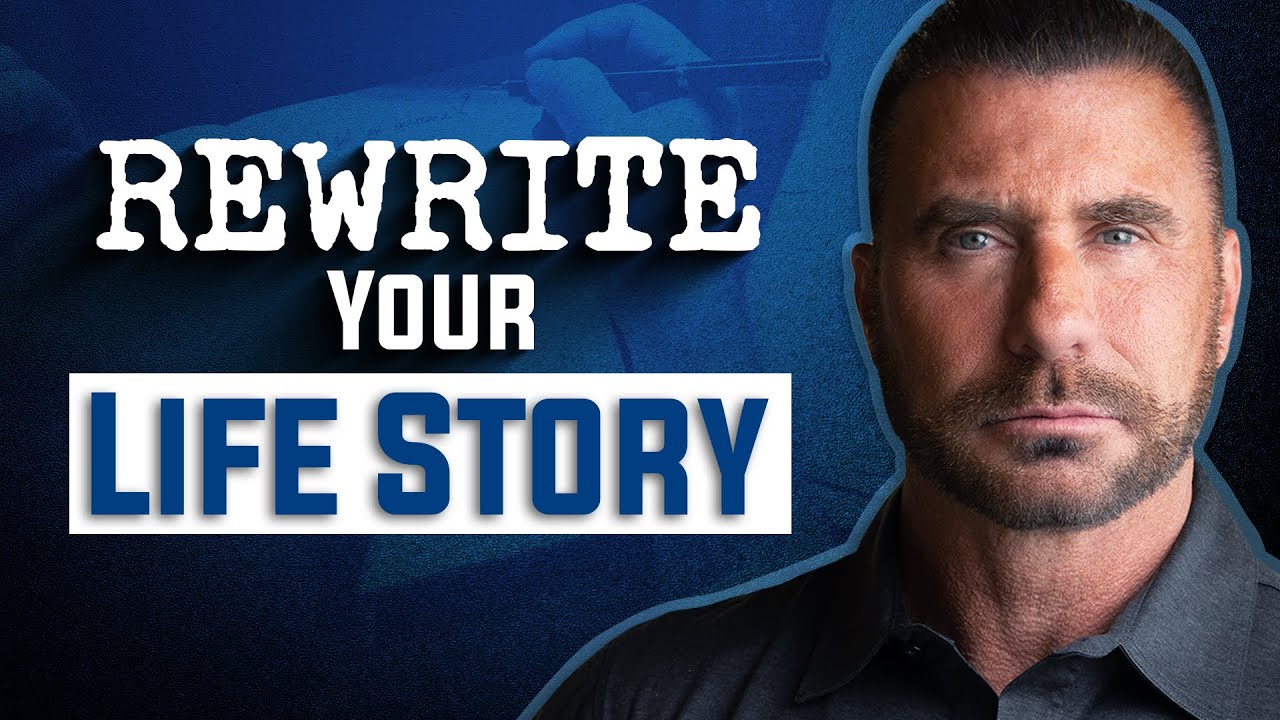
This video by Ed Mylett emphasizes that every individual is born with the potential for greatness. Our lives are shaped by personal narratives, often formed by childhood experiences and trauma, which influence our patterns and behaviors. By recognizing and rewriting these narratives, one can change their life. Key takeaways include:
- Recognizing that you are the author of your life story.
- Understanding how your beliefs and past traumas shape your current reality.
- The importance of changing your narrative to achieve personal growth and success.
Intro
Ed Mylett opens the video by reaffirming the idea that everyone is destined for greatness. He invites viewers to reflect on their life stories and consider whether they are satisfied with the current narrative. He encourages them to stretch their visions and believe in their potential, regardless of past challenges.
Patterns and Behaviors
Mylett discusses how human beings operate on a series of patterns, with about 90% of our daily behaviors being habitual. These patterns originate from the stories we tell ourselves, often based on childhood experiences, and can dictate our beliefs and actions going forward.
The Role of RAS In the Brain
He introduces the concept of the Reticular Activating System (RAS), a brain mechanism that serves to confirm our narratives. Mylett explains that if we believe we are victims or underachievers, the RAS will find evidence to support those beliefs, reinforcing a negative self-image and limiting our potential.
You Are The Author Of Your Story
Mylett emphasizes that each individual is the author of their own life story, co-writing it with God or a higher power. He urges viewers to be aware that they can change their narratives and take control of how they define their lives, irrespective of past traumas or experiences.
What Your Narrative Is
He invites viewers to evaluate their current narratives. Are they portraying themselves as victims or as underdogs? He stresses the importance of recognizing the truth in their stories and whether those stories serve their interests and goals.
No Judgments Here
Mylett assures viewers that he has no judgment about their pasts. He encourages them to accept their stories for what they are—valid experiences—while also pushing them to consider how those narratives may be limiting their future.
Writing A New Story
Mylett challenges viewers to write new stories about themselves. He highlights the power of emotional engagement in creating lasting change in narratives and life trajectories. He encourages actively imagining and recording this new story.
You're One Plot Twist Away
He reinforces the idea that a single decision or change can dramatically alter one’s life. Mylett encourages viewers to recognize their potential for change, suggesting that they can introduce positive plot twists into their narratives at any point.
Give Yourself A Review
Mylett prompts viewers to evaluate their life stories critically. He asks them to assign a rating to their life narratives and challenges them to assess what elements of their stories need to change to reflect their true potential.
Anchor Your Story
Finally, he emphasizes the need to anchor new narratives emotionally and physically. Mylett suggests engaging in physical activity while repeating affirmations to help solidify new beliefs within one’s unconscious mind, thereby enabling lasting change.

