
Brief Summary
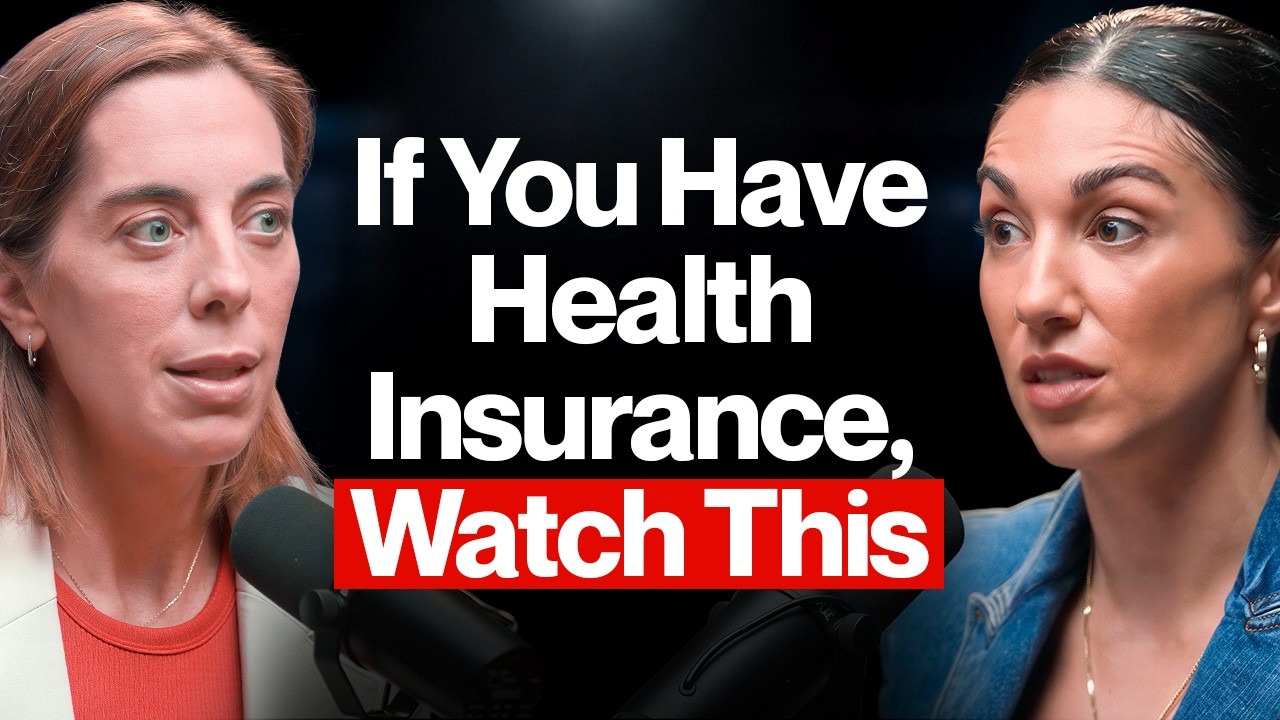
This video discusses the challenges and injustices within the U.S. healthcare system, particularly focusing on insurance companies and their impact on patient care. Dr. Elizabeth Potter, a surgeon, shares her experiences battling UnitedHealthcare over coverage for essential surgeries, highlighting the absurdities of insurance denials, high costs of medical care, and the emotional and financial toll on patients and providers.
- The denial of necessary medical procedures by insurance companies.
- The difference in costs for surgeries between what insurance presents and what direct care providers charge.
- The systemic issues within healthcare that hinder doctors from providing the best care to their patients.
Intro: "You Don't Actually Need Insurance"
Dr. Elizabeth Potter introduces claims that patients do not necessarily need insurance for quality healthcare. She recounts her battle with UnitedHealthcare over a patient's treatment that led to a significant hospital bill, stating that denial is often a strategy insurance companies use to cut costs.
The Call From UnitedHealthcare in the Middle of Surgery
While performing surgery on a cancer patient, Dr. Potter receives an urgent call from UnitedHealthcare regarding the patient's overnight hospital stay. Despite the patient being under anesthesia, the insurance company demands justification for coverage, reflecting the absurdity of the situation and demonstrating how impersonal insurance can be in critical healthcare scenarios.
The Three-Minute Phone Call Outside the OR
Dr. Potter describes a tense, three-minute call with an insurance representative while still in the context of surgery. The representative lacked knowledge about the patient’s condition, emphasizing a disconnect between insurance companies and medical professionals. Dr. Potter expresses frustration over having to protect her patient from bureaucratic decisions that should ideally be straight-forward.
Why Denial Is a Strategy
Denial of insurance claims is discussed as a calculated tactic by insurance companies. Dr. Potter explains that many patients with serious medical conditions often do not fight back against denials due to their vulnerable state, resulting in decreased spending by the insurance firms.
Justifying an Overnight Stay for a Patient Under Anesthesia
The absurdity of needing to justify an overnight stay in the hospital for a patient recovering from surgery is highlighted. Dr. Potter emphasizes the unnecessary complications healthcare providers face when navigating insurance demands.
The Video That Reached 26 Million People
After experiencing overwhelming frustration, Dr. Potter recorded a video expressing her concerns about the healthcare system. The video unexpectedly gained widespread attention, reaching 26 million viewers and shedding light on the systemic issues in healthcare delivery and the impact on patient care.
The Cease-and-Desist Letter
Dr. Potter discusses receiving a cease-and-desist letter from UnitedHealthcare following her viral video. The letter, sent by a powerful law firm, attempts to intimidate her into retracting her statements and reflects the measures insurance companies may take to suppress criticism.
What the Comments Revealed About America
Dr. Potter reflects on the comments and reactions from viewers of her video, signifying a collective dissatisfaction with insurance practices in healthcare. Many shared their own negative experiences with insurance companies, emphasizing a national dialogue about these issues.
Does She Regret Taking On UnitedHealthcare?
Despite the challenges, Dr. Potter states that she does not regret challenging UnitedHealthcare as it has transformed her perspective and reinforced her commitment to fight for her patients.
What Happened to the Patient's $100,000 Bill
The excessive bill for the patient she operated on was eventually erased after the video gained traction. This response indicates the potential for change when the public becomes aware of injustices.
Going Into Debt to Keep Her Practice Open
Dr. Potter shares that she went into debt to maintain her practice amid financial strain from dealing with insurance companies. This sacrifice illustrates the financial burdens healthcare providers often face.
How the US Two-Tier Healthcare System Works
Dr. Potter describes the two-tier healthcare system in the U.S., emphasizing the disparity in care access based on insurance coverage. She highlights the lack of a safety net for patients needing essential care.
Who Else Is in the Room With You and Your Doctor
The discussion addresses the multiple parties involved in healthcare decisions, including insurance companies, which complicate the patient-doctor relationship.
Why a 14-Year-Old Procedure Is Still Called "Experimental"
Dr. Potter discusses the classification of certain well-established surgical procedures as "experimental" by insurance companies, affecting patients' access to potentially life-saving surgeries.
Peer-to-Peer Calls and Hours Lost on the Phone
Dr. Potter explains the prolonged and frustrating process of peer-to-peer calls with insurance companies, often wasting valuable time and resources.
Denial Rates: 1 in 5 Recommendations Rejected
Diving into the statistics, Dr. Potter shares that approximately 20% of medical recommendations from doctors are denied by insurance companies, indicating a systemic issue in the approval processes.
Why There Are Only a Few Hundred True Reconstruction Specialists
The limited number of reconstructive specialists in the U.S. is examined, as broader concerns about healthcare availability and specialization arise.
What DIEP Flap Breast Reconstruction Is
Dr. Potter outlines the DIEP flap procedure, which uses a patient's own tissue for breast reconstruction post-mastectomy, emphasizing its benefits over traditional implant options.
Breast Implants vs DIEP Flaps
Dr. Potter contrasts the use of breast implants with DIEP flaps, explaining the long-term benefits of using a patient's tissue versus artificial implants.
When Your Body Has Something to Offer You
She highlights the positive psychological and physical outcomes of utilizing a patient's own tissue for reconstruction, turning a negative experience into one of empowerment.
A Year and a Half On: Washington, FIGS, and the Speak Free Act
Dr. Potter shares her ongoing advocacy efforts, including meetings with lawmakers and the collaboration on the Speak Free Act to protect healthcare providers.
How Denials, Prior Authorizations, and Appeals Work
An overview of the denial, prior authorization, and appeals processes is given, revealing how convoluted and time-consuming these procedures can be for healthcare providers.
A Year-Long Fight for One Woman's Mastectomy
She recounts a specific case where it took over a year for a patient to receive approval for a mastectomy, highlighting the detrimental impact of insurance delays.
Billing Codes: Why TRAM and DIEP Flaps Are Paid the Same
Dr. Potter explains how billing codes inaccurately equate different surgical procedures, potentially undermining the quality of care that patients receive.
What She Would Tell UnitedHealthcare's CEO
If given the chance, Dr. Potter would emphasize the disconnect between what care is needed for patients and the realities depicted by insurance companies.
The Biggest Obstacle to Patient Outcomes Is the System
It is highlighted that the healthcare system itself, rather than the expertise of healthcare providers, is the biggest barrier to better patient outcomes.
One Diagnosis Away From Bankruptcy
Dr. Potter addresses the precarious financial situation many Americans face, where a single medical diagnosis can result in overwhelming debt.
Protect Yourself: Record Every Appointment
Dr. Potter advises patients to record every medical appointment to maintain accurate records, reinforcing the importance of documentation in navigating the healthcare system.
Ask for an Itemized Estimate: $240,000 vs $17,000
She encourages patients to request detailed estimates for their procedures, which can reveal significant discrepancies in pricing between providers and insurance costs.
Where the Money Goes and the Patients Deserve Price Tags Act
The discussion revolves around the necessity of transparency in healthcare costs, underlining the need for legislative efforts like the Patients Deserve Price Tags Act.
Appeal Everything: Specialty-Matched and Expedited
Dr. Potter emphasizes the importance of appealing all denied claims, particularly by requesting specialty-matched and expedited reviews to increase the chances of success.
Why Doctors Can No Longer Stay Silent About Money
It is argued that doctors must engage in conversations about healthcare costs and insurance issues, challenging the notion that healthcare is only about clinical practices.
Her 60-Second Truth: "You've Been Fooled"
Dr. Potter summarizes her message, calling attention to the realities of healthcare in America and the misconceptions surrounding the necessity of insurance.
How to Support the Fight
Dr. Potter invites viewers to engage with advocacy efforts, support legislation aimed at changing healthcare practices, and challenge the current system for better patient care.

