
Brief Summary
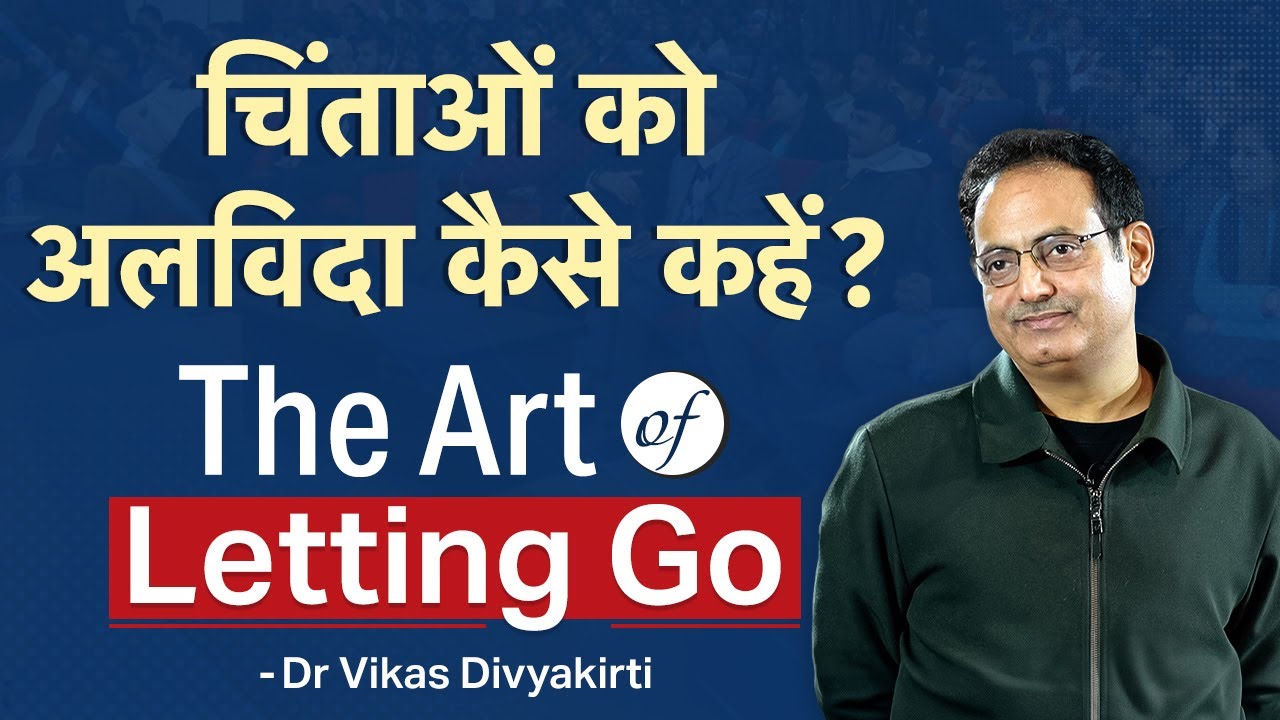
This video features a motivational speech by Dr. Vikas Divyakirti at Hansraj College, Delhi University, focusing on the art of letting go. He shares personal anecdotes and stories to illustrate the importance of managing emotions, differentiating between giving up and letting go, and finding happiness by aligning one's actions with their true self. The speech emphasizes the significance of emotional intelligence, resilience, and maintaining a balanced perspective in life, especially during challenging times.
- Letting go versus giving up
- Managing emotions
- Importance of self-awareness and balance
Introduction and Welcome
The event begins with an invocation and welcome address, expressing gratitude to Dr. Vikas Divyakirti for taking the time from his busy schedule to speak at Hansraj College. He is praised as a source of wisdom and motivation for the students. The hosts express their admiration for Dr. Vikas's work, including his motivational lectures and videos, and anticipate a future film about his life.
Setting the Stage: Topic Introduction
The speaker acknowledges the prior discussions on UPSC and introduces the day's topic: "The Art of Letting Go." She thanks the Udan Society and Nischay Society for their collaborative efforts in organizing the event. She recounts how the societies worked together despite initial planning challenges and expresses her surprise and happiness at their cooperation. She explains the selection of the topic, noting its relevance to the emotional challenges faced by young people, including dealing with heartbreak, career uncertainty, anxiety, and depression.
Disclaimer and Approach
Dr. Vikas clarifies that he is not a certified psychologist or motivational speaker. Instead, he will share insights based on his life experiences, observations, and readings from his 50 years of life, including 25 years in teaching and learning. He emphasizes that experience is the greatest teacher. He mentions his initial apprehension about speaking at Hansraj College and how he prepared by reading books on letting go. He assures the audience that he will avoid theoretical discussions and instead focus on practical advice relevant to their age group.
Give Up vs. Let Go
Dr. Vikas distinguishes between "giving up" and "letting go," explaining that giving up means admitting defeat, while letting go means removing something from one's mind. He illustrates this with the example of the event organizers' persistence in inviting him, contrasting it with the idea of simply giving up due to difficulties. He emphasizes that letting go involves consciously deciding to move on from something that is causing trouble or frustration.
The Power of Storytelling
Dr. Vikas shares that the best way to convey a message to young people is through storytelling. He notes the increasing importance of storytelling in professional settings, citing specialization courses for CEOs on the subject. He promises to share three or four true stories, without revealing names to protect privacy, to illustrate his points.
First Story: Lost Potential
Dr. Vikas recounts his experience of coming to Delhi to study, initially getting admission in Zakir Hussain College instead of his dream college, Hansraj College. He then shares a story about a brilliant friend from Hansraj College who excelled in debating and seemed invincible. However, this friend tragically took his own life due to relationship issues, leaving Dr. Vikas perplexed and highlighting the hidden struggles people face.
Second Story: Inter-caste Marriage
Dr. Vikas tells the story of two bright and inquisitive students at Delhi University who were in a relationship. They faced significant family and societal pressure due to their inter-caste marriage. Despite initially managing, the woman eventually took her own life, unable to cope with the pressures and toxic relationship dynamics.
Third Story: The Leaked Video
Dr. Vikas narrates a story from about 25 years ago, involving a couple in Delhi. They had a physical relationship, which was secretly filmed and the video was circulated. The girl faced immense public shaming and media scrutiny, leading her father to send her abroad. Shortly after, her father committed suicide due to the distress caused by the situation. This story illustrates the devastating consequences of privacy violations and the relentless nature of media attention.
Fourth Story: The Jilted Lover
Dr. Vikas shares the story of a 40-year-old civil servant who never married due to a past heartbreak. He generalizes that all women are deceitful based on one bad experience. Despite attempts to find a partner, he remains cynical and alone, unable to let go of his past.
The Common Thread and the Importance of Emotional Management
Dr. Vikas connects these stories, highlighting that each involves an inability to handle emotions and let go of past hurts. He emphasizes that managing one's emotions is crucial, even more so than academic or professional success. He argues that being able to navigate life's challenges and toxic situations is the most important lesson one can learn.
The Art of Letting Go: A Beautiful End
Dr. Vikas reiterates that if you cannot handle yourself, you cannot handle the world. He introduces the concept of "the art of letting go," quoting Sahir Ludhianvi's verse about giving a beautiful turn to a story that cannot be brought to completion. He stresses the importance of letting go gracefully, without resorting to destructive actions.
Practical Advice on Letting Go
Dr. Vikas addresses the difficulty of letting go, especially for young people experiencing intense emotions. He explains that emotional intensity is influenced by hormones and chemistry, making it harder to manage emotions during adolescence and early adulthood. He contrasts this with the greater emotional stability that comes with maturity.
Maturity and Emotional Intensity
He explains that as people mature, their emotions become less intense. He uses the example of a heated argument between friends, where younger individuals may dwell on the issue for months, while more mature individuals are able to move on more quickly. He advises against making life decisions based on ego and encourages self-awareness and perspective.
Personal Anecdotes and Coping Mechanisms
Dr. Vikas shares personal anecdotes about dealing with nervousness before events and managing stressful situations. He emphasizes the importance of prioritizing sleep and addressing problems in a calm and rational manner. He also discusses the importance of having a balanced perspective on life, drawing from his parents' contrasting personalities.
The Influence of Parents and Personal Philosophy
Dr. Vikas describes his parents' contrasting approaches to life: his father's carefree attitude and his mother's tendency to worry. He admires his father's ability to let go of stress and emphasizes the importance of maintaining a balanced perspective. He shares his belief that life expectancy is not predetermined and that one's actions and mindset play a significant role in their well-being.
The Secret to a Beautiful Life
Dr. Vikas attributes his father's youthful energy and positive outlook to his ability to let go of stress. He contrasts this with his mother's worrying nature, suggesting that her life might have been longer if she had adopted a similar mindset. He shares his personal philosophy of not taking on unnecessary stress and remaining balanced in both success and failure.
Practical Tips for Letting Go in Relationships
Dr. Vikas offers practical advice for dealing with unrequited love, emphasizing the importance of respecting others' choices and not taking rejection personally. He encourages self-reflection and finding humor in difficult situations. He also discusses breakups in relationships, advising against clinging to someone who no longer wants to be in the relationship.
The Importance of Self-Improvement and Independence
He stresses the importance of self-improvement and not being overly dependent on one person for happiness. He advises against trying to control others' lives and encourages a neutral and respectful approach when someone wants to leave a relationship.
Drawing Inspiration from Buddha and Radha
Dr. Vikas shares the stories of Buddha leaving his family in search of enlightenment and Radha's devotion to Krishna. He uses these examples to illustrate the importance of allowing others to pursue their paths, even if it causes personal pain. He highlights the significance of letting go of ego and supporting loved ones in their endeavors.
Toxic Relationships and Career Aspirations
Dr. Vikas discusses toxic relationships and the importance of letting go of unrealistic expectations. He encourages individuals to have backup options in their careers and not to define their self-worth solely by their professional achievements. He emphasizes the abundance of opportunities in the world and the importance of developing basic skills and a strong work ethic.
The Value of College Life and Overcoming Challenges
Dr. Vikas highlights the value of college life, including participating in societies and developing interpersonal skills. He shares his personal experiences of working as a salesman at a young age to support himself. He encourages the audience to focus on their strengths and not dwell on their weaknesses.
The Importance of Resilience and Perspective
Dr. Vikas emphasizes the importance of resilience and maintaining a balanced perspective during both good and bad times. He addresses the challenges of social media trolling and the need to develop a "foolproof shield" against negativity. He concludes by sharing his personal motto: "Why fear in life what will happen? If something will not happen, then there will be an experience."
Q&A Session: Managing Study Enthusiasm
In the Q&A session, Dr. Vikas addresses a question about maintaining study enthusiasm. He advises against comparing oneself to others and emphasizes the importance of balance in college life. He suggests that engaging in social activities and taking breaks are essential for personal growth and well-being.
Q&A Session: Examples of Letting Go
In response to a question about examples where he has let go, Dr. Vikas shares an experience of being targeted by individuals who made his life difficult. He explains how he chose not to retaliate, realizing that doing so would mean losing his own identity. He emphasizes the importance of maintaining one's integrity and not stooping to others' levels.
Q&A Session: Overcoming Fear of Failure
Dr. Vikas addresses a question about overcoming the fear of failure. He suggests that the fear stems from societal and parental expectations. He advises against placing too much pressure on oneself and encourages the pursuit of activities that promote relaxation and self-acceptance.
Q&A Session: Letting Go vs. Giving Up on Goals
Dr. Vikas clarifies the difference between letting go and giving up on goals. He explains that letting go involves a conscious decision to move on from something after realizing it is no longer fulfilling or necessary. He emphasizes the importance of effort and discipline in pursuing one's goals and advises against attributing success or failure solely to luck.
Vote of Thanks
The event concludes with a vote of thanks, expressing gratitude to Dr. Vikas Divyakirti for his valuable time and motivational session.

