
Brief Summary
In this episode of the Focus Group podcast, Sarah Longwell discusses the current political landscape, especially regarding the Democratic party's polling performance and the effectiveness of candidate Josh Shapiro in Pennsylvania. Alongside guest Amy Walter, they analyze the dynamics of upcoming elections, voter perceptions, candidate quality, and fundraising disparities.
- Democrats lead in the generic ballot but have brand issues affecting voter confidence.
- Josh Shapiro receives praise from both Democrats and Trump-supporting voters in Pennsylvania.
- Candidate quality impacts election outcomes, particularly for Republicans.
Assessing the Political Landscape
Sarah Longwell begins by welcoming listeners to the podcast and sets the tone by explaining their focus on reevaluating the political landscape amid recent polling data. She notes the Democrats' current favorable standing, though polls indicate an inability to close the deal with voters, leading to concerns about potential Republican successes in upcoming elections, especially given recent history where the out-of-power party could turn winnable races into losses.
Voter Perception and Democratic Brand Issues
The discussion shifts to a deeper exploration of voter perception as Amy Walter expresses concerns about the Democrats' brand. Both agree that voters have yet to focus on the elections properly; they mainly view Republicans unfavorably due to Donald Trump and the state of the economy but lack familiarity with specific Democratic candidates. Walter highlights that while Republicans seem consolidated in their support, Democrats are still struggling to define themselves positively in voters' minds due to a perceived toxic brand.
Case Study: Josh Shapiro
Longwell transitions the conversation to Pennsylvania and Josh Shapiro, who has effectively connected with voters, including those who typically support Trump. Listeners hear testimonials from Trump voters who describe their appreciation for Shapiro’s handling of state issues, such as stopping a utility rate increase and responding quickly to a bridge collapse. They regard him as a hands-on and moderate leader focused on pragmatic solutions rather than rigid party ideologies, which resonates well even among Republicans.
Candidate Quality and Fundraising Disparities
Longwell and Walter delve into the significance of candidate quality, discussing how the Democrats' struggle derives from internal conflicts rather than a united front against poor Republican candidates. They note that Democrats face a stark fundraising disadvantage against Republicans, with a billion-dollar gap in cash on hand, which could impact their competitiveness in close races. Despite this, some individual Democratic candidates, including Shapiro, are raising substantial amounts of money on their own.
Voter Sentiment Toward Donald Trump
In interviews with Trump voters, various opinions on Trump’s presidency emerge. Supporters praise his accomplishments but express frustrations about economic issues like inflation and foreign military conflicts. Many voters struggle with feelings of disappointment and confusion regarding Trump’s leadership style, yet still show a preference for Shapiro, who they view positively.
The Complexity of Voter Preferences
The podcast discusses how political identity affects voter preferences, highlighting complexities where some voters may favor centrist figures like Shapiro even while supporting Trump. The hosts reflect on how this scenario may present challenges for Democratic candidates, suggesting that being viewed as reasonable or moderate could alienate the very base that they need to secure a primary victory.
The Possibility of a Shapiro Presidential Run
The conversation turns to speculation about Josh Shapiro's potential as a presidential candidate. While some focus group members express a desire for him to run, skepticism about his ability to win a Democratic primary persists. The discussion emphasizes that while Shapiro gains respect from various voters, the perception that he could compromise his progressive platform to appeal to moderates may hinder his nomination chances.
John Fetterman Compared to Josh Shapiro
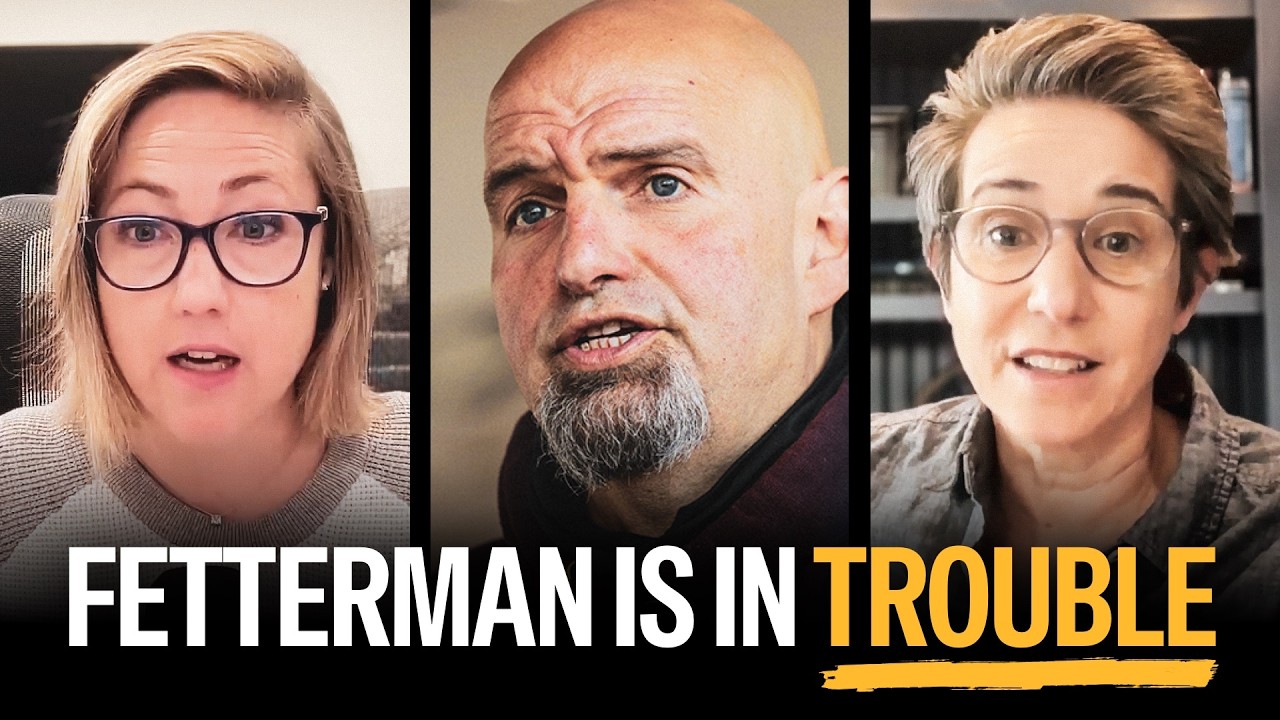
Finally, the hosts contrast Josh Shapiro with John Fetterman, highlighting how Fetterman garners mixed reviews from Trump voters. While they appreciate his willingness to criticize his party, they ultimately prefer Shapiro for gubernatorial support, indicating that voters appreciate Shapiro's moderate, bipartisan approach.
Wrap-Up and Closing Thoughts
Longwell and Walter conclude the podcast by reflecting on the insights gathered during the focus group discussions. They emphasize the importance of voter engagement and understanding the shifting political landscape as the election season approaches, urging listeners to stay informed and supportive of the political process.

