
Brief Summary
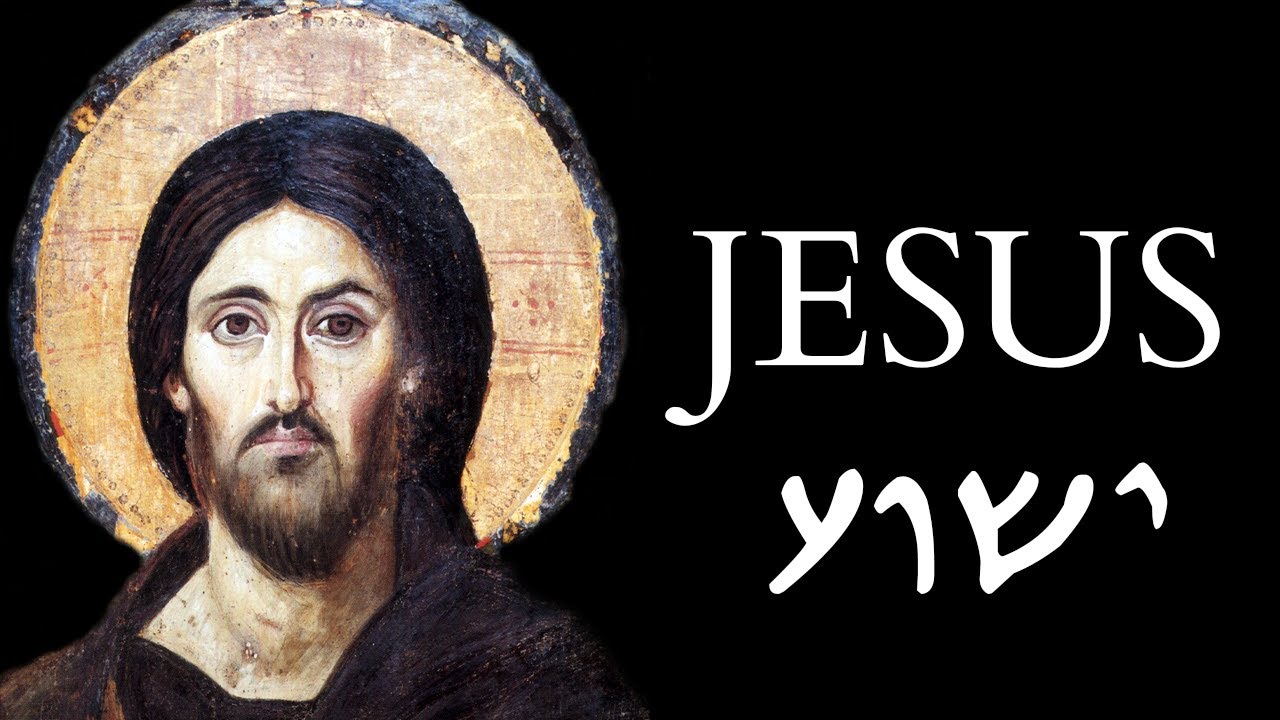
This video explores the historical context of Jesus Christ and his significance in Western civilization. The author employs a methodology termed "critical maximalism," which endeavors to analyze the life and teachings of Jesus through a historical lens, drawing from New Testament accounts and Christian traditions while remaining critically aware of the surrounding context.
- Jesus' life and teachings must be understood within the historical milieu of first-century Judea.
- The societal and political upheaval during Jesus' time shaped both his message and the perception of his role as a potential Messiah.
Understanding the Historical Jesus
The introduction outlines the overarching questions about Jesus' historical identity, teachings, and influence. The speaker emphasizes the necessity of exploring these questions despite personal beliefs, highlighting the approach of critical maximalism in understanding Jesus' impact on culture and history.
The Birth of Jesus and Historical Context
The speaker discusses the socio-political conditions in Judea before the birth of Jesus, highlighting the death of Herod the Great and the subsequent unrest. This backdrop is crucial for understanding the environment into which Jesus was born, underscoring the tumultuous dynamics of power and rebellion around his early life.
Mary and Joseph: The Complexities of Jesus' Birth
The narrative continues with the challenges faced by Mary and Joseph, emphasizing their precarious social status due to Mary's pregnancy outside of wedlock. The speaker speculates on societal perceptions and rumors about the child's paternity, illustrating how such stigma could impact their lives significantly.
Jesus' Early Life and Education
The early life of Jesus is described as largely undocumented beyond the New Testament accounts. The speaker notes that Jesus was likely from a poor family and would have taken up the family trade, hinting that Jesus was likely a stonemason. The conflicting views on his education and status as a religious teacher are explored, framing him within the context of different Jewish legal schools.
The Varied Landscape of Judaism
The speaker delineates the various sects of Judaism present during Jesus' time, particularly the Pharisees and Sadducees. Jesus is presented as a Pharisaical figure who shares their commitment to Torah observance, while also embodying distinct ethical teachings that diverge from conventional Jewish thought of the time.
Apocalyptic Judaism and Messianic Expectations
This chapter examines the apocalyptic versions of Judaism that influenced Jesus' teaching, highlighting the expectation of a dual messianic figure—one priestly and one kingly. The role of apocalyptic literature, including the Dead Sea Scrolls, emphasizes the anticipation of impending divine judgment and deliverance.
John the Baptist and Jesus’ Early Ministry
The focus shifts to John the Baptist as a significant precursor to Jesus, outlining John's radical call for repentance and its implications for Jesus’ later ministry. The differences between John's immersion practices and Jesus' teachings are discussed, as well as the overlapping influences the two figures had on each other.
Jesus' Radicalization of John's Teachings
The speaker discusses how Jesus took John's message and expanded it, advocating for radical love and community values. The distinction between Jesus’ calls for universal love and John's more focused judicial thinking is emphasized, positioning Jesus as a revolutionary figure.
Conflict with Authority and Growing Popularity
As Jesus gains followers, he shifts focus to confronting the authorities that threaten his message, particularly in light of John's imprisonment and execution. The chapter underscores the tensions between Jesus' teachings and the Roman authorities, framing Jesus' ministry against a backdrop of political resistance.
The Road to Jerusalem: Apocalyptic Expectations
The narrative describes Jesus' decision to travel to Jerusalem, driven by the expectation of confronting his adversaries. His actions leading up to this event are characterized as deliberate and intended to fulfill prophetic expectations about the coming of the Kingdom of God.
The Final Days and Crucifixion
The last days of Jesus highlight the confrontation with religious authorities and his eventual crucifixion. The speaker provides insight into the political machinations that led to his execution, discussing how Jesus’ identity as a Messiah became a death sentence, ultimately culminating in his crucifixion.
Aftermath and Continued Messianic Movement
Following Jesus' death, the establishment of the messianic movement continues under the leadership of his followers. The chapter also introduces the influence of Paul, who distills Jesus' teachings into a new theology directed toward a broader Gentile audience, which diverges from the original Jewish focus of Jesus' message.
Conclusion and Future Exploration
The speaker concludes with a call for further exploration into the evolution of early Christianity, suggesting the need for a follow-up discussion about the contrasting gospels and their implications for understanding the legacy of Jesus. The influences shaping perspectives on Jesus from various scholars, particularly Dr. James Tabor, are also acknowledged.

