
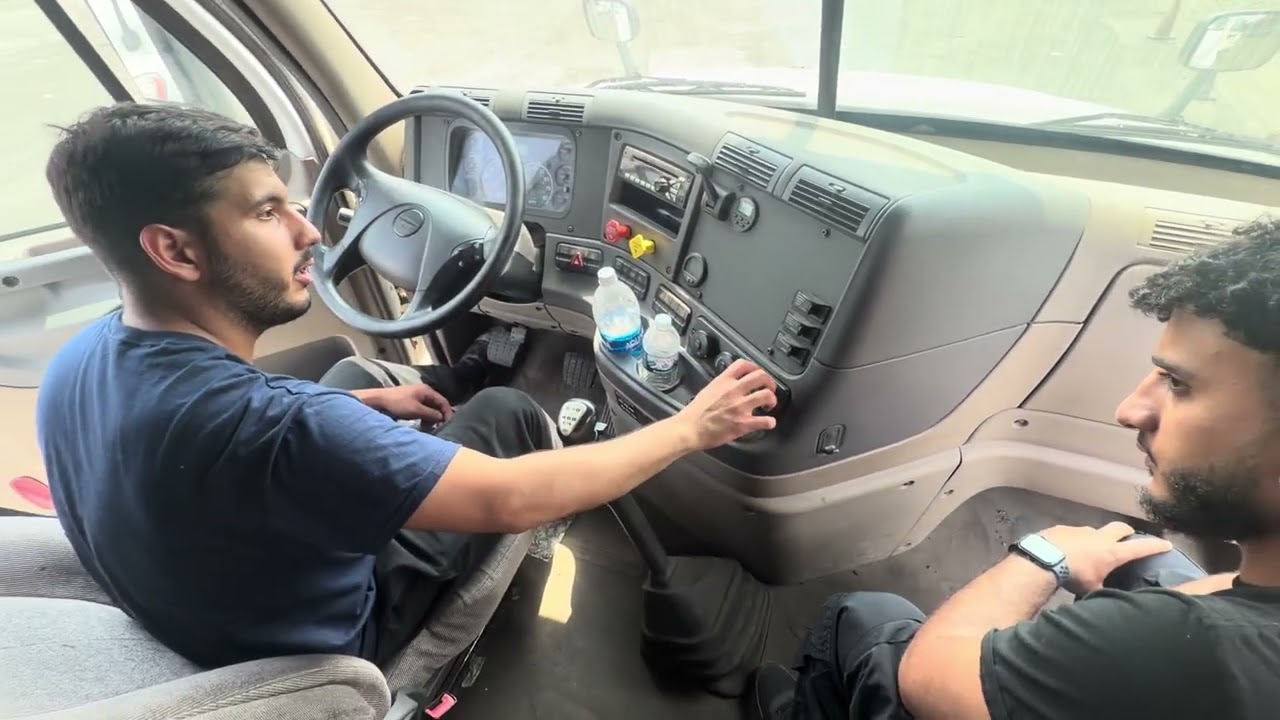
Brief Summary
The video provides a comprehensive pre-trip inspection checklist for a vehicle, focusing on safety features and equipment. Key aspects include verifying the condition of various gauges, lights, mirrors, wipers, horns, and brakes to ensure everything is functioning properly.
- The inspection covers emergency equipment like fire extinguishers and reflective triangles.
- The functionality of safety systems like ABS, parking brakes, and the air brake system is thoroughly tested.
Vehicle Equipment Check
The inspection begins with ensuring everything is secure, including equipment and seatbelts. Emergency equipment checked includes a charged fire extinguisher, three reflective triangles, and spare electrical fuses.
Safety System Functions
Next, both parking brakes need to be engaged and the gear placed in neutral for safety. The ignition is turned on to reset gauges, including ABS, oil, temperature, voltmeter, and air gauges, ensuring none show warning lights. The light indicators and various lights on the dashboard are also tested for functionality.
Mirror and Windshield Assessment
Mirrors are checked for cracks and illegal stickers, while the windshield should be clear and undamaged. The washer fluid should spray evenly, and wiper condition must be good, ensuring they function properly to maintain visibility.
Horn and Climate Control Check
The vehicle is equipped with two horns—city and highway—both of which need to be functioning. Climate control systems are tested for airflow, confirming that heat and defrosters work without damage.
Parking Brake Functionality
The yellow parking brake and red trailer brake are tested by engaging each while in drive to ensure the vehicle does not move, indicating they are functioning properly.
Service Brake Test
A service brake test involves driving at low speed and checking that the truck stops without leaning, confirming its proper operation before returning both parking brakes to the engaged position.
Air Brake System Check
The air brake system is assessed by monitoring air gauge readings, filling up as necessary until the governor shuts off. A minute-long pressure hold checks for significant PSI loss, followed by pumping until warning lights activate, confirming functionality of the air brake system.

