
Brief Summary
This video on vitamins focuses on fat-soluble vitamins, specifically vitamins A and D. Key points include dietary requirements, recommended dietary allowances (RDA), bioavailability, toxicity, food sources, stability, and clinical significance of these vitamins.
- Discusses the group of fat-soluble vitamins, highlighting their importance in health.
- Explains in detail vitamin A's forms, functions, sources, bioavailability, and potential toxicity.
- Covers vitamin D's role, sources, requirements, bioavailability, and health implications related to deficiency and toxicity.
Introduction to Vitamins A and D
The video introduces the topic of fat-soluble and water-soluble vitamins with a focus on vitamins A and D. The aim is to help students understand dietary requirements, recommended dietary allowances (RDA), bioavailability, toxicity, food sources, and the clinical significance of these vitamins for human health and nutrition.
Vitamin A Overview
Vitamin A is classified into retinoids (including retinol, retinal, retinoic acid) and provitamin A carotenoids like beta-carotene. It is essential for vision, epithelial integrity, immune function, and reproduction. Vitamin A is primarily stored in the liver and transported in the blood by retinol-binding proteins.
Vitamin A Functions and Deficiencies
Vitamin A plays a crucial role in maintaining vision and the health of epithelial cells, which is vital for growth and immune function. Deficiencies can lead to issues such as poor appetite, increased infection risk, and conditions like night blindness and keratinization of epithelial cells.
Vitamin A Bioavailability and Sources
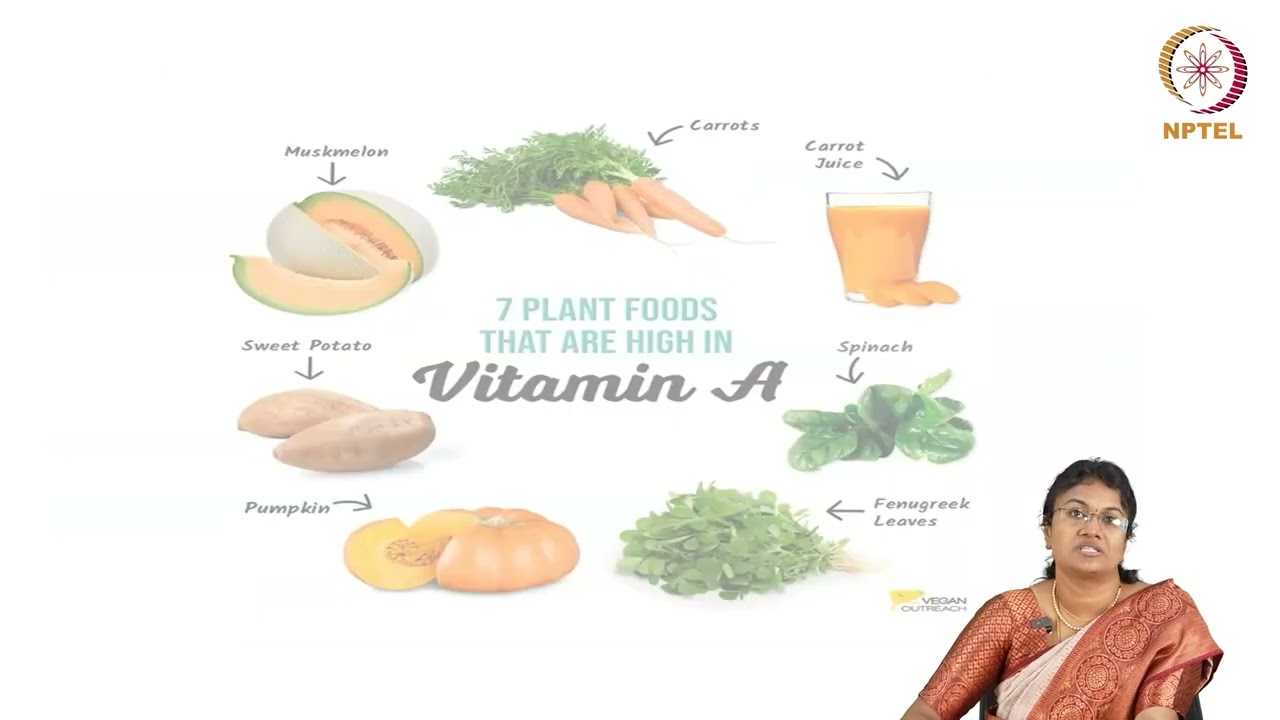
Bioavailability of vitamin A varies, with preformed vitamin A from animal sources being highly bioavailable compared to plant sources. Factors influencing absorption include dietary fat intake and cooking methods. Rich sources of vitamin A include liver, dairy products, and colourful fruits and vegetables like carrots and spinach.
Vitamin A Toxicity
Acute toxicity from vitamin A can occur with excessive intake, leading to symptoms such as nausea and dizziness, while chronic toxicity may cause hair loss, bone pain, and other health issues. Food sources high in vitamin A must be monitored to prevent toxicity.
Introduction to Vitamin D
Vitamin D is a unique fat-soluble vitamin functioning as both a nutrient and a prohormone, critical for calcium homeostasis and bone health. It exists in two main forms: D2 (ergocalciferol) and D3 (cholecalciferol), with the latter being produced in the skin through UV radiation.
Vitamin D Functions and Deficiencies
Vitamin D is essential for bone mineralisation, immune function, and regulating cell proliferation. Deficiencies can lead to conditions such as rickets in children and osteomalacia in adults, impacting overall health.
Vitamin D Bioavailability and Sources
The absorption of vitamin D occurs in the small intestine and requires dietary fat. Sunlight exposure is a significant source, with dietary sources including fatty fish and fortified foods. Variability in synthesis from sunlight due to factors like skin type and season can affect vitamin D levels.
Vitamin D Toxicity
Vitamin D toxicity, or hypervitaminosis D, is primarily caused by excessive supplementation, not sun exposure. Symptoms include nausea, kidney dysfunction, and hypercalcemia. A cautionary approach to supplementation is important to avoid adverse effects.
Conclusion
The video concludes that vitamins A and D are crucial for vision, immunity, and overall health. Despite their importance, deficiencies are prevalent in India. Combating these deficiencies requires a multistrategic approach, including food fortification, dietary diversification, and public health initiatives, while raising awareness about the risks associated with excessive supplementation.

