
Brief Summary
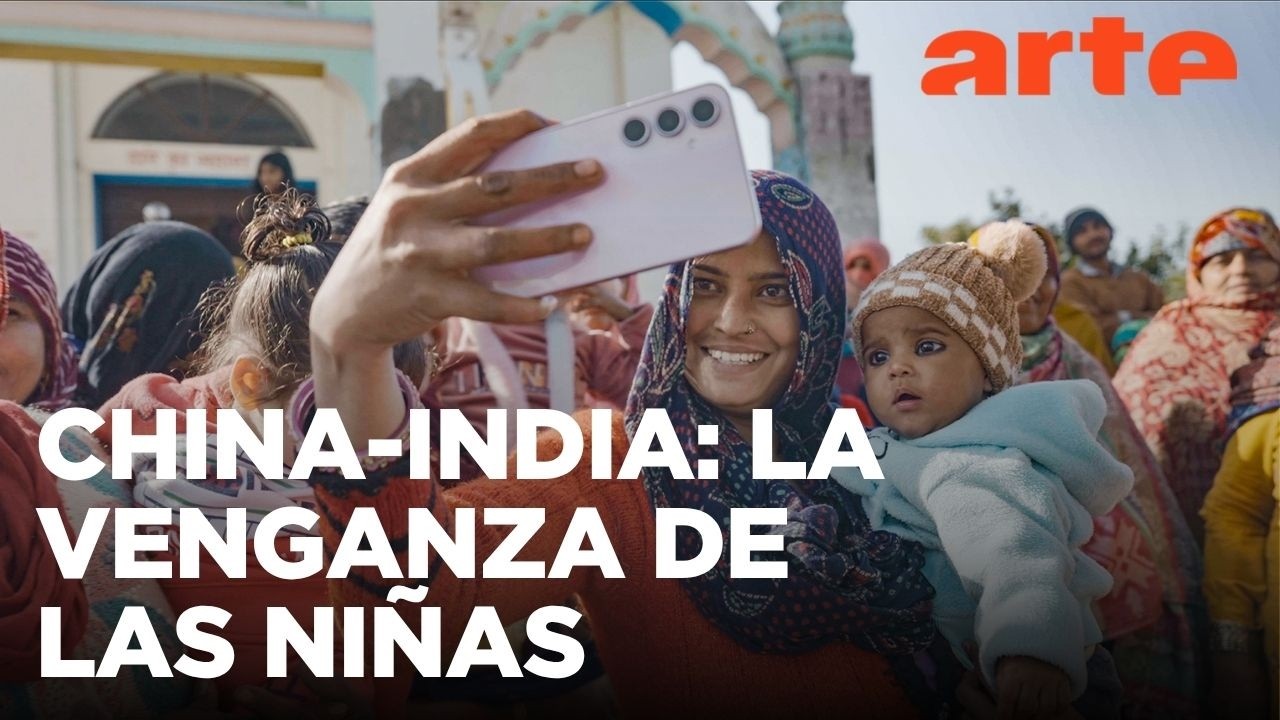
This documentary explores the experiences of girls born in India and China, highlighting the historical and cultural challenges they face. It follows the story of Lakshmi, a girl born in India in December 2025, illustrating the shift in attitudes towards girls in a society that previously favoured boys. The video discusses the impact of infanticide and gender-selective abortions, efforts to combat these practices, and illustrates changing family dynamics and societal perceptions about girls.
- The narrative centres on Lakshmi, a girl born in India in 2025, and the challenges faced by female infants.
- The documentary highlights the shift in attitudes towards girls in India and China, especially regarding infanticide and feticide.
Birth of Lakshmi
Lakshmi is introduced as a baby girl born in India on December 10, 2025. Her name, meaning "prosperity," embodies optimism in a culture that historically favoured boys. It is noted that India witnesses the birth of 30,000 girls each day, although the preference for sons has led to millions of families opting against having daughters.
Changing Attitudes Towards Girls
There has been a positive shift in attitudes towards girls in India and China, with families increasingly valuing daughters. The video presents Lakshmi's and her family's narrative to highlight this cultural change, contrasting it with earlier practices where gender imbalance saw 110 boys born for every 100 girls in India.
Family Dynamics and Cultural Context
In Lakshmi’s house, three generations live together, illustrating the traditional family structure in rural India. We learn about her grandmother’s experiences in a time when having multiple daughters was often seen as a financial burden due to the costs associated with their dowries in arranged marriages.
Reality of Infanticide
Though the rate of infanticide has decreased, the practice remains a troubling reality in India. The documentary recounts harrowing accounts of infant deaths and highlights the ongoing issue of gender-selective practices that continue to affect the demographic balance in society.
Government Initiatives and Activism
Efforts by activists and governmental measures aim to combat gender-based violence and selective abortions. Following the introduction of the law prohibiting prenatal sex determination in 1994, operations targeting illegal practices have led to significant awareness and saved thousands of girls’ lives across India.
Adoption and Changing Lives
Adoption stories illustrate changing perceptions, with families choosing to adopt daughters. The individuals featured express their commitment to empowering girls and ensuring they grow up with self-respect, aligning with the efforts to change societal norms about the value of female children.
China's Gender Imbalance
The video shifts focus to China, where systematic discrimination has led to a significant gender imbalance, compounded by the one-child policy. Historical practices of selling baby girls further illustrate the extent of gender bias embedded in society.
Social Challenges Among Young Men
The documentary discusses the consequences of gender imbalance, exposing challenges faced by young men struggling to find partners due to the scarcity of women. Men such as Niu Wang Shen share their frustrations over societal pressures and the ongoing quest for marriage amid a significant gender gap.
Cultural Practices and Shifts
The narrative continues with insights into matchmaking practices and the cultural expectations surrounding marriage. The impact of balancing traditional values with modern views mirrors the changing landscape of gender roles in modern Chinese society.
The Future of Girls in India and China
As society shifts towards more equitable values regarding girls, the documentary concludes by suggesting a gradual improvement in gender ratios and the social status of women in both countries. The focus on educating and valuing girls indicates a brighter future for female children in India and China.

