
Brief Summary
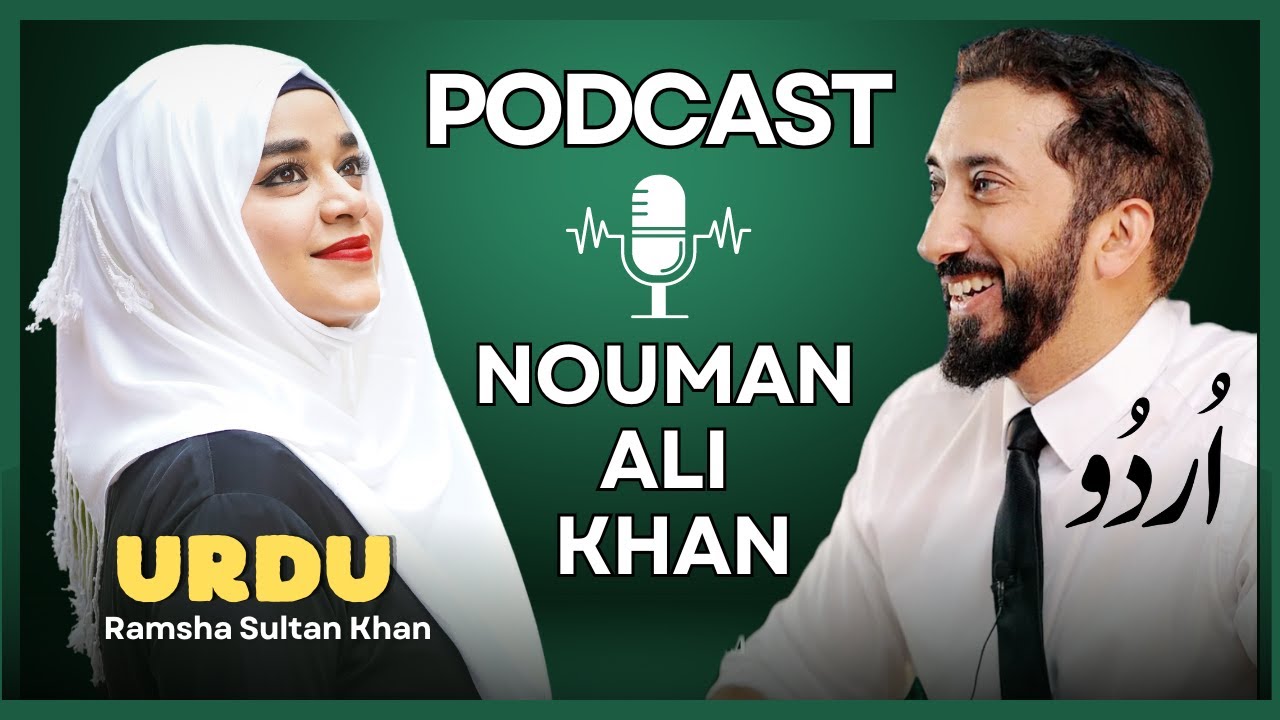
The video discusses various themes around the connection between individuals and Allah, the concept of being a perfect Muslim, cultural influences on parenting, the importance of learning Arabic, and addressing loneliness. Key points include the necessity of developing a personal relationship with Allah, overcoming societal pressures, cultivating a passion for learning, and establishing meaningful relationships.
- The relationship between parental expectations and spirituality.
- Understanding Allah's 99 names and their significance.
- Defining what makes one a perfect Muslim versus societal judgments.
- Strategies for learning Arabic and fostering a genuine interest in the Quran.
- The effects of cultural upbringing on perceptions of Allah.
- Practical advice on overcoming feelings of loneliness.
Glimpse of Podcast
The podcast begins with a discussion about the implications of not adhering to parental guidance, equating displeasure from parents to displeasure from Allah. It highlights the flawed narrative that suggests one’s relationship with Allah is based solely on fulfilling parental expectations, which can lead to anxiety and distance from genuine spirituality.
99 Names of Allah
In this chapter, the speaker emphasizes the significance of Allah's 99 names, encouraging listeners to identify which name resonates most with them. Understanding these names can deepen one's appreciation for Allah's qualities and help build a stronger connection. The narration suggests that comprehending Allah as a 'Rabb' (Lord) reveals a deeper understanding of mercy and forgiveness.
Who's a Perfect Muslim?
This segment explores the unrealistic standards set for being a perfect Muslim, addressing the hypocrisy that can arise in judging others. It discusses how some Muslims may become arrogant or critical toward others who fall short of these standards. The speaker encourages a balanced perspective, indicating that one's relationship with Allah is personal and should not be dictated by societal judgment.
How to Learn Arabic?
The speaker outlines the challenges many face in learning Arabic, particularly in South Asian countries, where language skills are often not matched by comprehension. To truly learn Arabic, one should spend time with the Quran and develop an intrinsic motivation to understand the language. Establishing a connection with the Quran can spark an interest in learning Arabic more profoundly.
Desi Parents vs Allah
This chapter discusses the common parenting style within Desi culture, where children are often taught to fear Allah's anger based on parental disappointment. The speaker argues that this approach fosters feelings of rejection towards Allah instead of a genuine relationship. It examines how this conditioning can create barriers to understanding Allah's true nature and can perpetuate cycles of anxiety and depression.
How to Overcome Loneliness?
Here, loneliness in modern society is addressed, stemming from superficial friendships and lack of meaningful connections. The speaker urges finding purpose and engaging actively with one’s life, drawing parallels to successful individuals who channel their energy into positive pursuits. A strong connection to Allah provides a remedy for loneliness by giving individuals a sense of belonging and purpose.
Part-2 in English
The concluding part of the podcast continues exploring interactions between modern society and traditional values. The speaker warns about how societal expectations can be burdensome and stresses the need for individuals to focus on their personal relationships with Allah, rather than those dictated by culture or society. They call for a balance that embraces the personal journey while acknowledging communal beliefs.

