
Brief Summary
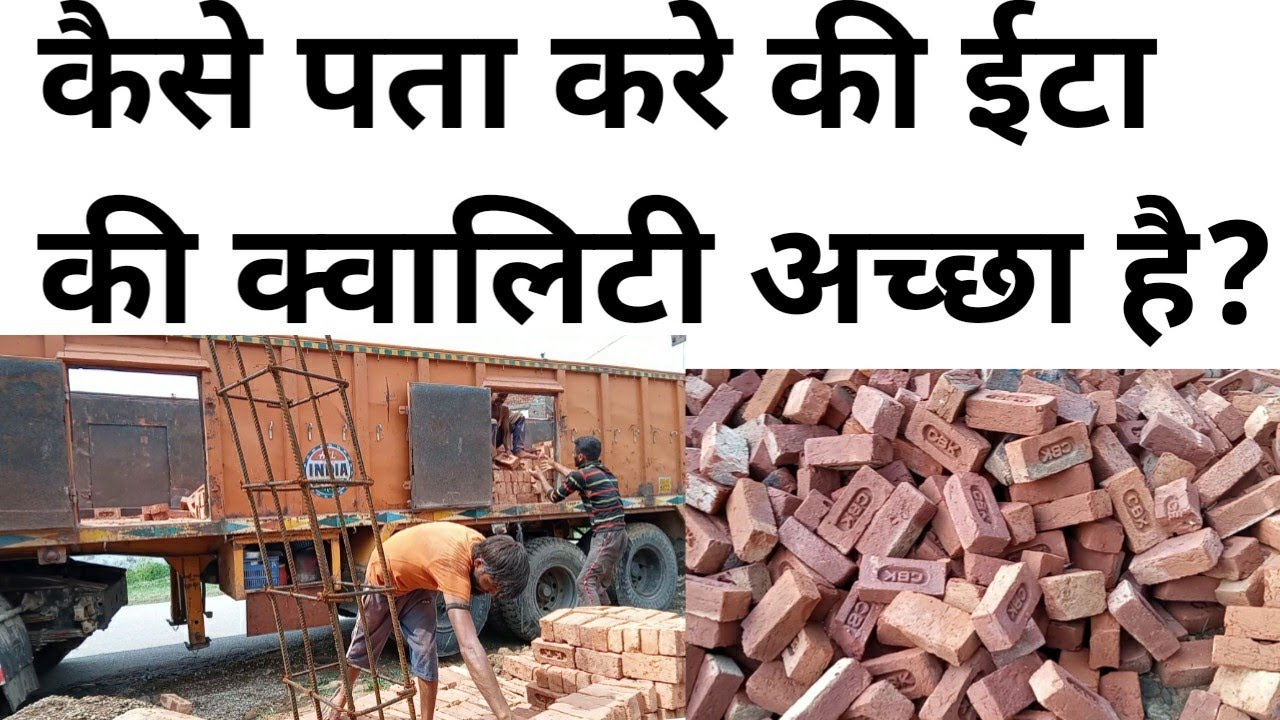
The video discusses important aspects of selecting quality bricks for home construction. It emphasizes the need for checks and tests to ensure the bricks chosen are durable and suited for building. Key points include testing the hue, checking for salt content, verifying size uniformity, and conducting various simple tests to assess brick quality both physically and visually.
- Quality checks are essential when selecting bricks.
- Simple tests can be performed at home to ensure brick durability.
Introduction to Brick Quality
The video begins by highlighting the significance of verifying brick quality before using them for construction, stating that brick selection does not happen frequently. It sets the stage for various quality checks that can be performed without needing professional lab assistance. If bricks are of poor quality, they may lead to issues such as dampness, cracks, or other structural problems later on.
Checking Brick Quality
The presenter discusses the first step in quality verification, which is to ascertain where the bricks were manufactured, particularly whether they were produced in electric kilns or traditional kilns. Electric kilns generally produce better quality bricks. The color of the brick is also essential; uniform coloring indicates proper firing, while variations suggest otherwise. Buyers should look for bricks that have a consistent hue.
Salt Content Test
Next, the video details a simple salt content test. A brick should be submerged in water for 24 hours. If white salt marks appear afterward, it indicates the presence of salt in the brick, making it unsuitable for use. Salt can compromise the strength and integrity of the bricks, leading to dampness and other issues later.
Identifying Brick Class
The different classes of bricks are then explained. Class A bricks are uniform in color and size, with higher quality, while Classes B and C are cheaper but less reliable. When ordering bricks, it’s crucial to specify which class is required, ensuring you understand the quality of what you're purchasing.
Brick Count and Measurement Tips
The counting process for bricks during delivery is emphasized. It's important to verify whether the quantity delivered matches what is recorded. If even a few bricks are missing or miscounted, it could result in significant financial losses. Tallying the number of bricks in different arrangements ensures accuracy during construction.
Brick Testing Methods
The video explains several practical tests for brick quality. For the hardness test, bricks should withstand being dropped from a height; if they break, they are of poor quality. Other tests include checking the size and consistency of bricks, looking for markings, and ensuring there are no impurities inside when broken.
Conclusion on Brick Quality
Finally, the video wraps up by reiterating the importance of performing these quality checks on bricks to ensure a strong foundation for any building. Using substandard bricks can lead to costly repairs in the future, so investing time in checks is essential for successful construction.

