
Brief Summary
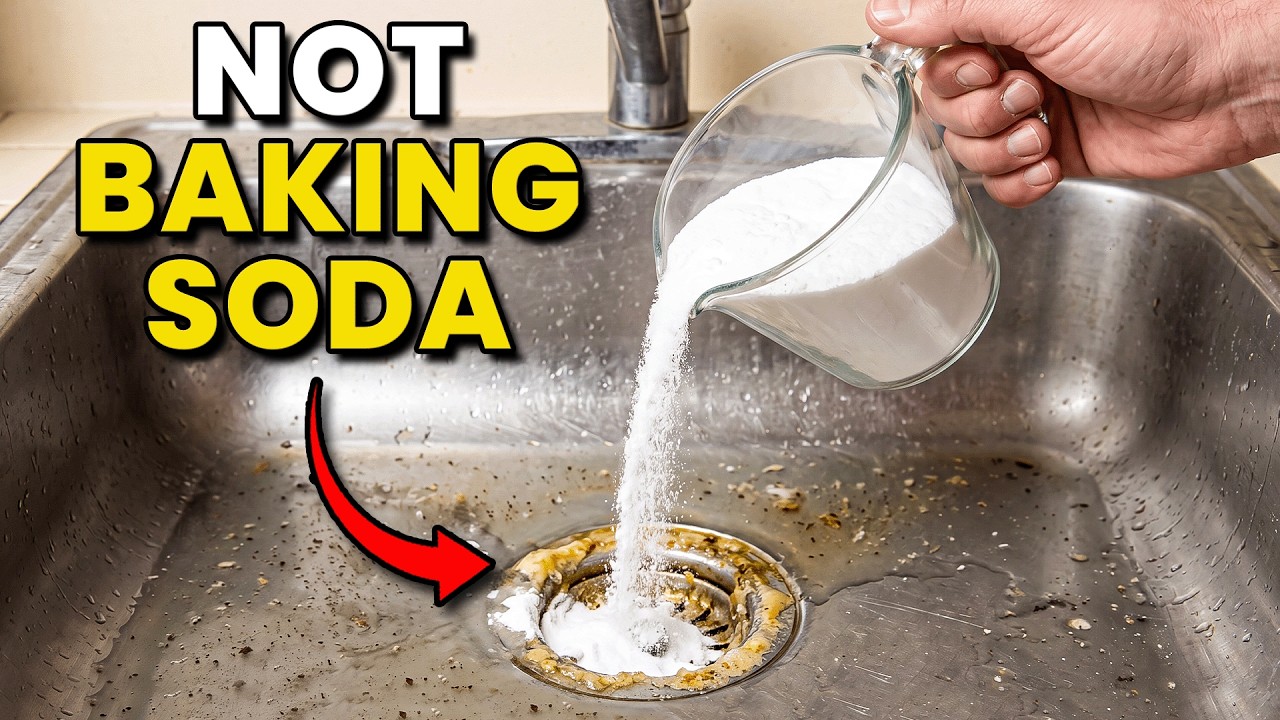
This video explains how to effectively clear grease clogs in drains using a simple and inexpensive solution: washing soda. Unlike harsh chemical drain cleaners that can damage plumbing, washing soda works through a safe chemical reaction to break down grease without generating excessive heat. Viewers learn about the nature of clogs, how to use washing soda correctly, preventive measures to avoid clogs, and the safety precautions associated with using various drain cleaning methods.
- Use washing soda instead of harsh chemical cleaners for grease clogs.
- Follow specific steps to effectively clear drains and prevent future clogs.
Introduction to Clog Solutions
The video begins by introducing a box of washing soda found in grocery stores, highlighting its effectiveness in clearing kitchen drain clogs without the dangers of chemical cleaners. The creator emphasizes that it outperforms aggressive drain cleaners that can harm plumbing and the surrounding environment and hints at a significant reason why plumbers might charge extra or refuse a job related to clogs.
Understanding Clogs in Drains
Most slow drains are caused not by foreign objects but by grease build-up, especially in kitchens. The accumulation of fats, oils, and grease (referred to as FOG) narrows pipes over time, ultimately leading to complete blockage. Bathrooms typically experience hair and soap scum clogs, which operate under similar organic growth principles. Understanding the organic nature of these clogs is crucial for choosing the correct cleaning method.
Chemical vs. Alkaline Cleaners
The video explains the two common types of aggressive chemical drain cleaners: acid-based and lye-based products. Both types generate heat when dissolved, which can warp plastic pipes and pit metal plumbing. This section clarifies how washing soda, an alkaline substance, works by a gentler chemical process called saponification, turning grease into soap that can easily wash away without causing damage.
Using Washing Soda to Clear Clogs
To use washing soda, first remove any standing water from the sink. Then pour one cup of washing soda followed by a quart of hot tap water (not boiling) down the drain. It's vital to let the solution sit for 30 to 60 minutes before flushing again with hot water. For stubborn clogs, additional applications may be required. Viewers are advised to establish preventative habits to avoid future clogs.
Preventing Future Clogs
The video emphasizes three key habits to prevent clogs: avoid pouring grease down the drain by using containers for disposal, run a maintenance dose of washing soda monthly, and catch hair with a mesh strainer in bathroom drains. These practices can significantly reduce the likelihood of clogs and maintain pipe integrity.
Limitations of Washing Soda
While washing soda is effective for organic clogs, it cannot dissolve solid objects, such as toys or wipes lodged in pipes. Viewers are informed not to use washing soda in toilets, as toilet clogs often require different tools. The presenter warns against mixing washing soda with other substances as it can create hazardous reactions.
Common Drain Issues and Solutions
The video addresses frequently asked questions regarding slow drains, older plumbing, and odors coming from drains. Washing soda can assist in cases of slow drainage or foul smells caused by organic buildup. However, if the issue persists after treatment, it may indicate a physical blockage requiring alternative solutions.
Plumber's Perspective on Chemicals
The video concludes with an explanation of why plumbers may charge more for jobs involving harsh chemicals or refuse work altogether. The risks associated with handling caustic substances can lead to injuries, making it critical for plumbers to assess safety first. In contrast, washing soda is a straightforward, safer alternative that protects both plumbing and health.
Conclusion and Call to Action
The presenter summarizes the benefits of using washing soda for drain maintenance, promoting it as a budget-friendly and effective solution. He encourages viewers to adopt preventive measures, keep the washing soda accessible, and consider preventative maintenance over costly repairs. The video emphasizes the importance of knowing the right techniques and tools for household plumbing issues.

