
Brief Summary
This lecture explores the beliefs surrounding childhood and education in Puritan New England, contrasting them with the ideas of John Locke and other Enlightenment thinkers. It highlights the Puritan perspective on children as inherently sinful and emphasizes the importance of early literacy and religious instruction. The chapter further discusses the role of family in education, high rates of infant mortality, and early childhood practices.
- Puritans placed great emphasis on literacy to read the Bible, leading to high literacy rates.
- They viewed children as potential sinners rather than innocent blank slates, reflecting Calvinist beliefs.
- Education was heavily tied to religious instruction, with practices starting from infancy.
Children of the Covenant: Puritan Views on Childhood
The Puritans in New England viewed children as a critical aspect of their religious covenant with God. This group, marked by a preoccupation with child-rearing, believed that the upbringing of their children was essential for maintaining their religious values and shaping a godly society. A key belief was that children played a vital role in fulfilling the Puritan vision of a moral and orderly community. This conviction was expressed in sermons and writings, emphasizing the need for children to inherit spiritual, rather than material wealth.
Puritan Education: A Focus on Literacy
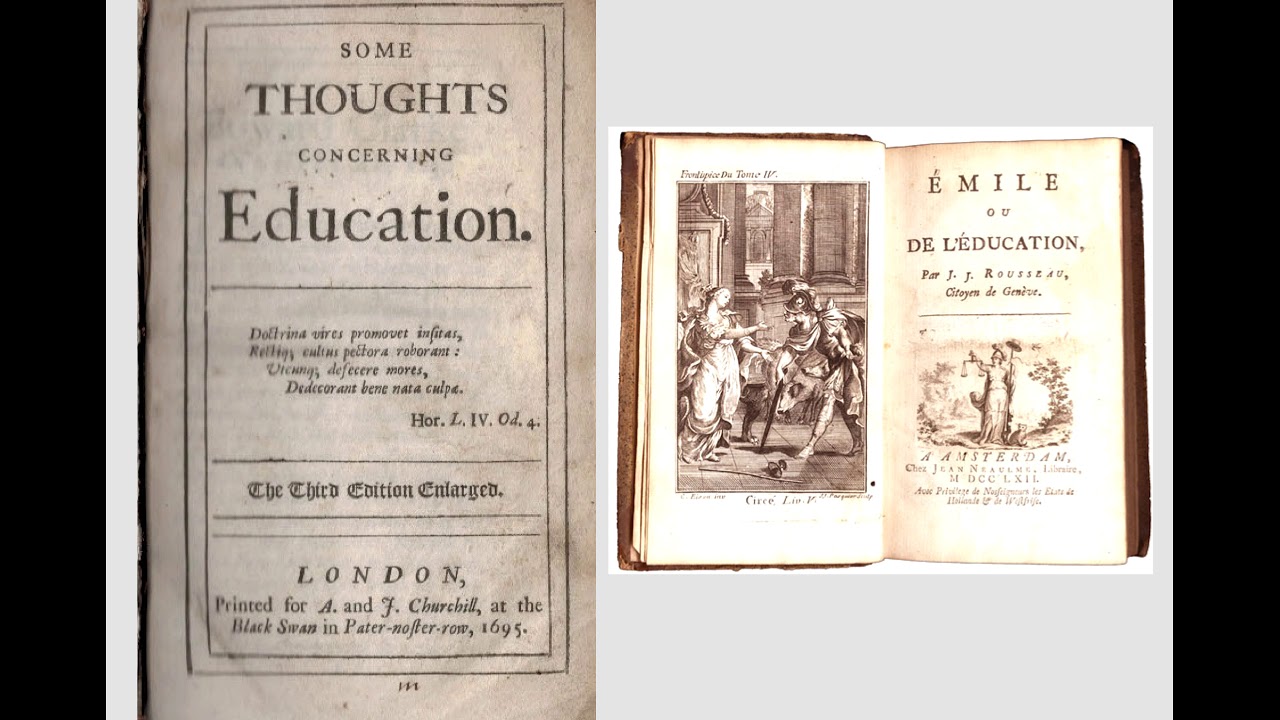
Puritans prioritized education, with a particular focus on early literacy to enable children to read the Bible. This emphasis resulted in one of the highest literacy rates globally. Although influenced by John Locke's ideas about childhood, Puritans did not accept his notion of children as innocent blanks slates. Instead, they believed children were born with sinful tendencies, reflecting their Calvinist doctrine. Schools and religious teachings were central to preparing children for adult roles in a godly society.
Infant Mortality and Family Dynamics
Infant mortality heavily impacted Puritan families, with many experiencing the loss of multiple children due to diseases and high mortality rates. This reality affected their attitudes toward life and death, as seen in the reflections of leaders like Cotton Mather, who expressed that the death of a child was a common occurrence. Underlying this was the belief in 'infant depravity,' where infant death without conversion resulted in eternal damnation, leading parents to expedite baptism practices.
Role of Fathers in Education
Fathers were primarily responsible for the religious and educational upbringing of their children. Legal obligations mandated that fathers provide religious instruction, often through reading scripture and engaging in moral teachings. Mothers taught children basic literacy, with fathers typically taking the lead in religious training. The pivotal role of fathers emphasized patriarchal authority within Puritan households, maintaining strict adherence to moral and educational expectations.
Play and Puritan Attitudes Towards Leisure
While Puritans accepted play as a natural part of childhood, they maintained a cautious attitude towards it, viewing excessive leisure as potentially sinful. Ministers advised moderation in children's play, particularly during the Sabbath. The scarcity of resources for leisure was evident, yet children were still encouraged to enjoy play, though advised to remain mindful of their moral upbringing in the process.
Puritan Education and Its Legacy
The Puritan legacy significantly shaped concepts of early childhood education, stressing the importance of education from a young age. They pioneered the establishment of publicly funded schools, a revolutionary step in education during their time. By the 1640s, the Massachusetts government mandated compulsory education, focusing on reading and religious teachings. This advanced movement led to high literacy rates compared to Europe, where such educational systems were not established until much later.
Comparison of Education Across Colonies
Education in other colonies contrasted sharply with Puritan New England, where it was largely private or parochial, particularly in the southern colonies. While higher classes had access to tutors, the middle class engaged in less comprehensive educational structures. In the middle colonies like Pennsylvania, education was influenced by various religious groups, but still less progressive than in New England, where public schooling became more standardized and widely available.

