
Brief Summary
The lecture discusses the road to the American Revolution, highlighting significant events and changing attitudes in the American colonies from the end of the French and Indian War to the buildup of tensions with Britain. Initially, colonial pride in being part of the British Empire transformed into resentment due to increased British taxation and control, which the colonists felt violated their rights.
- The French and Indian War significantly altered the political landscape, leading to American expansion and the end of a common enemy in France.
- The subsequent British taxation policies were seen as unfair, contributing to calls for independence and shaping colonial identity against perceived tyranny.
The Road to Revolution
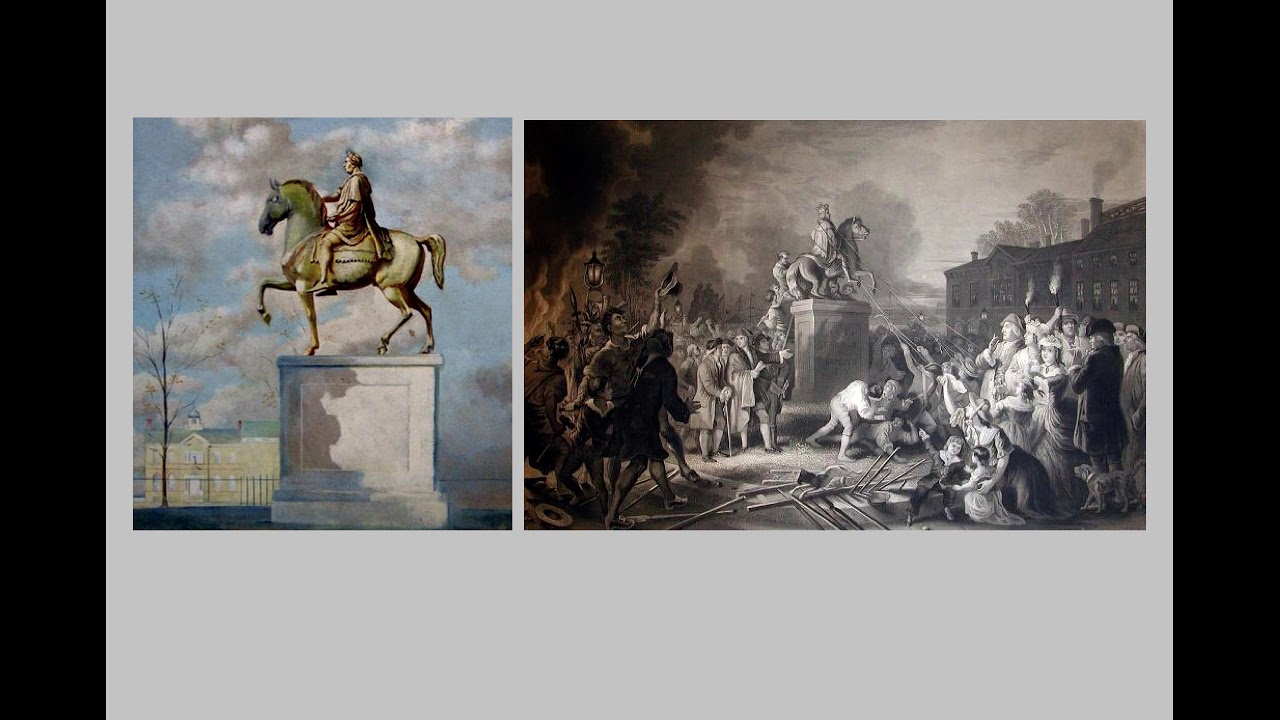
The discussion begins post-French and Indian War, where American colonies initially felt pride in their British identity following the war victory. However, King George III would later be seen as a tyrant, leading to a growing desire for independence. Colonists believed their local legislatures had control, while Britain viewed Parliament as having authority over colonial affairs. Following the war, British attempts to tighten control and impose taxes caused increased tension, shifting colonial sentiment from loyalty to resentment.
Factors Leading to Tensions
The lecture explains the factors contributing to rising tensions after the French and Indian War. The absence of a common enemy, France, emboldened colonists to challenge British authority. Furthermore, British scrutiny intensified as the colonies, previously enjoying 'salutary neglect,' faced increased taxation and regulation. Colonists believed these new taxes were unjust, especially given their minimal previous tax contributions compared to those in Britain. This disconnect fostered revolutionary sentiments as the colonists began to resist what they perceived as unfair British taxation without representation.
Economic Strain and Taxation
The economic impact of post-war taxes became a major concern for colonists who were experiencing a financial downturn. British officials determined that American colonists should contribute more to the empire. The chapter details how British taxes disproportionately affected colonists who had previously faced little taxation. The introduction of new taxes faced resistance as colonists felt burdened by unfair financial demands during a period of economic stress.
Political Identity and Resistance
The development of a distinct colonial political identity is discussed in response to British taxation efforts. Colonists articulated their demands through cries of "no taxation without representation," emphasizing their rights as English citizens. Many viewed the taxes as a threat to their liberty and economic freedom, leading to organized protests. The contradictions of advocating for freedom while practicing slavery also emerged as a complex issue.
The Proclamation of 1763 and Pontiac's War
The chapter examines the Proclamation of 1763, which restricted colonial expansion westward to protect Native American lands. This policy incited resentment among settlers eager to claim land they believed they had won. The Proclamation is seen as a pivotal moment that exemplified the increased tension as colonists felt their rights were being undermined while trying to assert control over territory.
The Sugar Act
The Sugar Act is introduced as the British government's first significant attempt to impose new taxes directly on the colonies. Designed to defend against the costs of maintaining troops and suppressing smuggling, the act frustrated colonists already struggling economically. The chapter discusses how the Sugar Act represented an escalation of tensions, as colonial leaders rallied against what they perceived as unjust taxation.
The Stamp Act
The imposition of the Stamp Act is described as a crucial misstep by the British government, as it marked the first time direct taxes were levied on the colonies. It provoked widespread protest and opposition, uniting colonial leaders in their resistance. The formation of the Sons of Liberty and the Stamp Act Congress showcased organized dissent, as colonists sought to affirm their grievances against taxation without proper representation.
The Repeal of the Stamp Act
This section discusses the repeal of the Stamp Act as a significant political response to colonial unrest. While the repeal was celebrated, the accompanying Declaratory Act affirmed Parliament's right to legislate for the colonies. Colonists lauded the repeal but remained aware of the underlying assertion of British authority. This moment exemplified the ongoing struggle between maintaining colonial autonomy and adhering to imperial governance.

