
Brief Summary
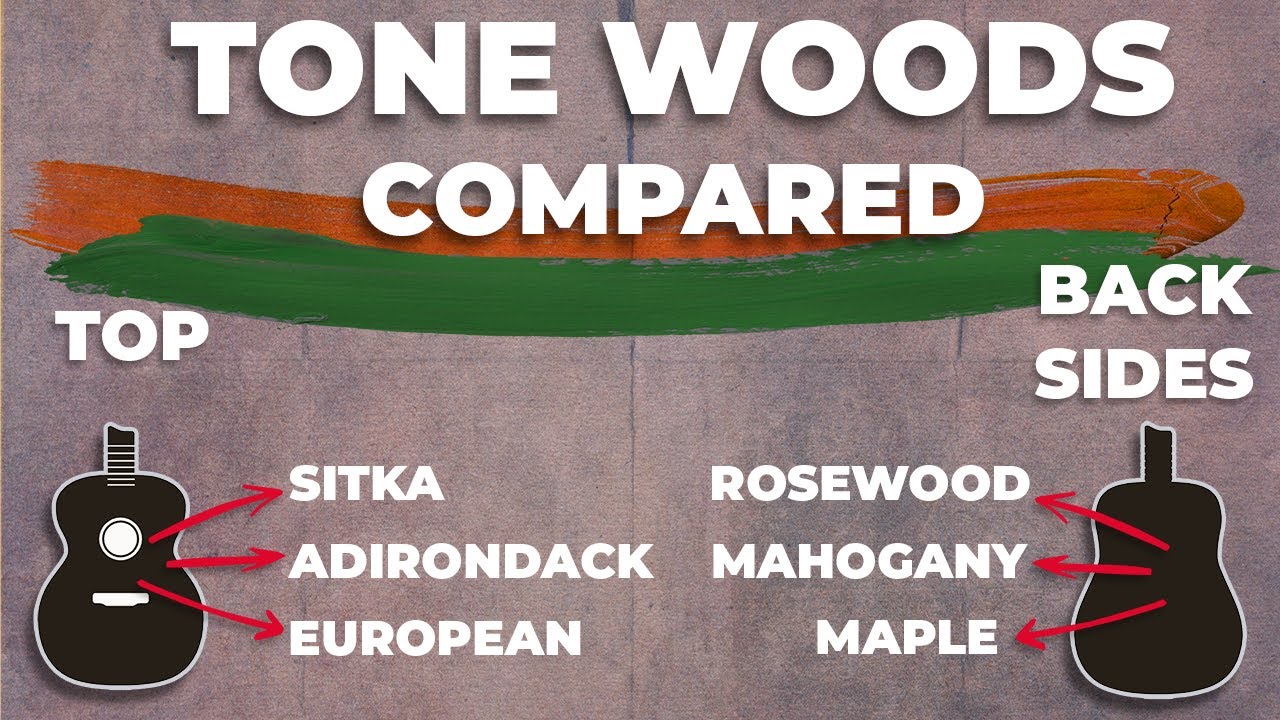
In this video, Paul Davids continues his examination of acoustic guitars, focusing on the impact of different tone woods on sound. He compares mahogany, rosewood, and maple for their distinct tonal qualities, then moves on to discuss various top woods like Sitka spruce and Adirondack spruce. Key takeaways include:
- Mahogany has a prominent mid-range projection, while rosewood offers a broader frequency range with more lows and highs.
- Maple provides a lighter tone suitable for performance settings due to its feedback resistance.
- The choice of top wood affects volume and sound characteristics, with Sitka being the most common and Adirondack providing more volume.
Tone Woods Overview
Paul introduces the topic of tone woods, emphasizing that the woods used for the back and sides of guitars greatly influence the overall sound. He discusses the differences between mahogany and rosewood, stating that mahogany offers a distinct mid-range sound, while rosewood provides a deeper, more dynamic range. The preference for either wood can depend on personal taste and playing context.
Mahogany vs. Rosewood
In this section, Paul compares mahogany and rosewood, highlighting that mahogany stands out due to its strong mid-range presence, making it easily audible in various settings. Conversely, rosewood delivers a richer tonal spectrum with more lows and highs, catering to different musical preferences.
Maple's Characteristics
Maple is introduced as another tone wood option, particularly known for its light tones and feedback resistance, which makes it a practical choice for stage performances. Paul explains that the sound profile of maple differs from mahogany and rosewood, offering a clear sound with more projection and less low-end.
Top Woods: Sitka and Adirondack
The video shifts focus to the top woods of guitars, specifically Sitka spruce, which is widely used due to its versatility and appealing grain. Adirondack spruce is also mentioned for its superior volume and stiffness, often favored in bluegrass music. Paul notes the aesthetic differences between these two types of spruce.
Wood Comparison and Characteristics
Paul demonstrates visually and audibly the differences between Sitka and Adirondack spruce, pointing out grain patterns and sound characteristics. Adirondack spruce is loud and commanding, while Sitka offers a more subdued and balanced sound.
Baked Tops and Vintage Sound
The discussion on top woods introduces the method of baking or torrefying the wood, which enhances its vintage qualities by mimicking the sound profile of aged wood. Paul notes that this process produces a richer, warmer tone that some players might prefer over brighter, non-torrefied woods.
Summary of Woods and Their Effects
Paul summarizes the characteristics of different woods discussed throughout the video. He explains that mahogany offers earthy tones, rosewood fetches highs, and maple provides a light and clear sound. Similarly, Sitka spruce serves as the industry standard, whereas Adirondack spruce is known for its loudness and character. Paul encourages viewers to explore different combinations to find the ideal personal guitar sound.

