
Brief Summary
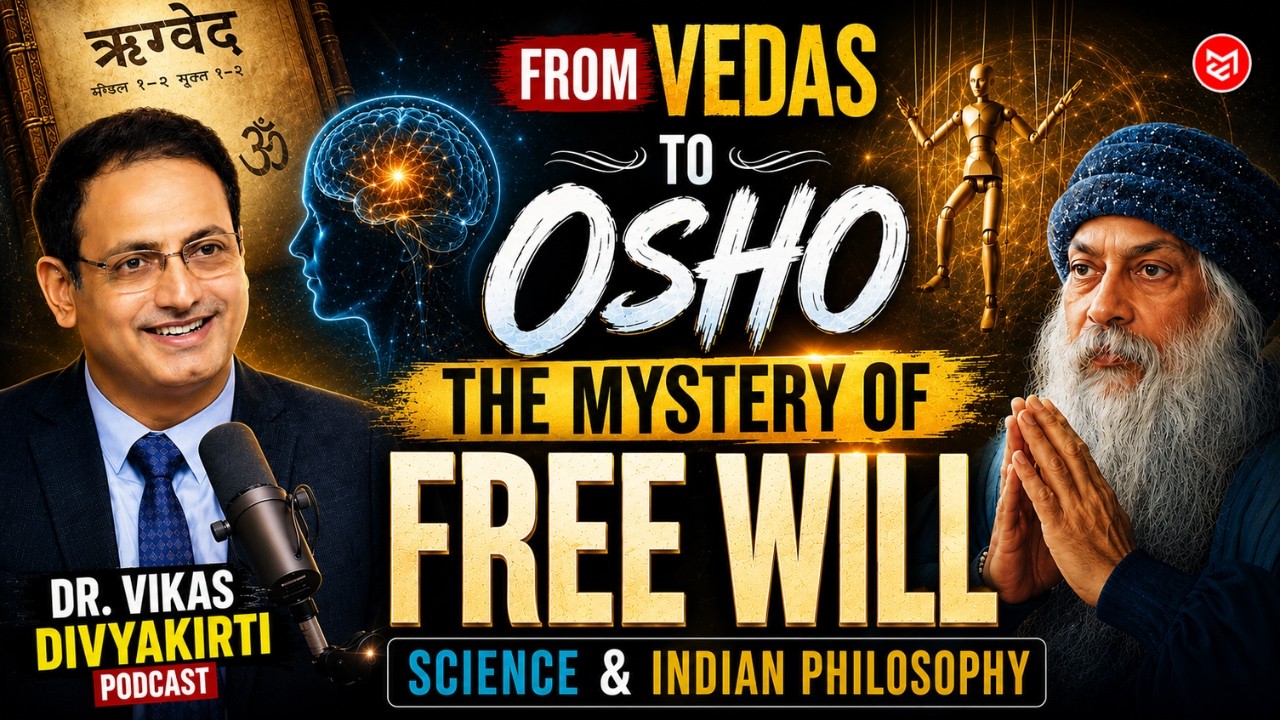
The video provides an extensive overview of the development of Indian philosophy through different historical phases. It discusses key concepts such as the Vedic Age, various schools of thought, the distinction between orthodox (āstika) and heterodox (nāstika) philosophies, and insights into karma, reincarnation, and the nature of the self. Common features of Indian philosophy are highlighted, including the belief in karma and the nature of ultimate reality or Brahman. The presentation emphasizes how these concepts have evolved and their implications on societal norms, spirituality, and individual beliefs in the context of everyday life.
- Indian philosophy is rooted in historical developments from the Vedic Age to modern interpretations.
- Key philosophical debates include the nature of the self, karma, reincarnation, and the principles of āstika and nāstika thought.
Introduction to Indian Philosophy
The discussion begins by exploring the origins of Indian philosophy, tracing back to the Vedic period. It aims to classify and contextualize the historical developments that shaped the essence of Indian philosophical thought.
Vedic Age and the Birth of Philosophy
The Vedic Age represents the foundation of Indian philosophy, marked by texts like the Vedas and Upanishads. It addresses the period's significance in establishing the philosophical roots of concepts such as the existence of the soul (Atman) and the divine (Brahman). The Vedas are characterized mainly by their hymns and rituals, with philosophical inquiry emerging prominently in later texts.
Common Features of Indian Philosophy
This section outlines the shared traits found across multiple Indian philosophical schools, like the acknowledgement of karma, differing views on the soul, and the cyclic nature of existence. It highlights how these views have shaped various societal beliefs and practices in India.
Astika and Nastika Philosophies
Explaining the distinction between āstika (theistic) and nāstika (atheistic) philosophies, the text delves into how major schools like Buddhism, Jainism, and the Cārvāka challenge and construct philosophical discourse in India, particularly in response to Vedic beliefs.
The Concept of Karma and Rebirth
The presentation elaborates on the principle of karma, explaining how one’s actions impact their future lives and the societal implications tied to this belief. It explains the classification of karma into three types: Sanchita (accumulated), Prarabdha (fruition), and Kriyamana (current actions).
The Nature of Self and Ultimate Reality
This chapter focuses on concepts of Atman (self) and Brahman, examining various philosophical arguments concerning the eternal self and how these ideas reflect the broader understanding of ultimate reality in Indian philosophy.
Buddhism and its Philosophical Standpoint
The discussion transitions into Buddhism, highlighting the Four Noble Truths and their perspective on suffering and the impermanence of existence. It contrasts Buddhist thought with Vedic beliefs, particularly regarding the nature of the self.
The Influence of the Modern Era on Indian Philosophy
The impact of colonialism and modernity on Indian philosophy is explored, with emphasis placed on how recent developments have influenced philosophical thought and the resurgence of interest in native philosophical traditions.
Contemporary Philosophical Challenges
Lastly, the video discusses the challenges faced by contemporary Indian philosophers, including societal inequalities, the role of women in philosophy, and the need for critical engagement with both historical and modern philosophical ideas.
Final Thoughts on the Nature of Existence
The conclusion reflects on the ongoing discourse regarding existence, reality, and the relevance of Indian philosophy in contemporary society, emphasizing its need for continuous exploration and understanding.

