
Brief Summary
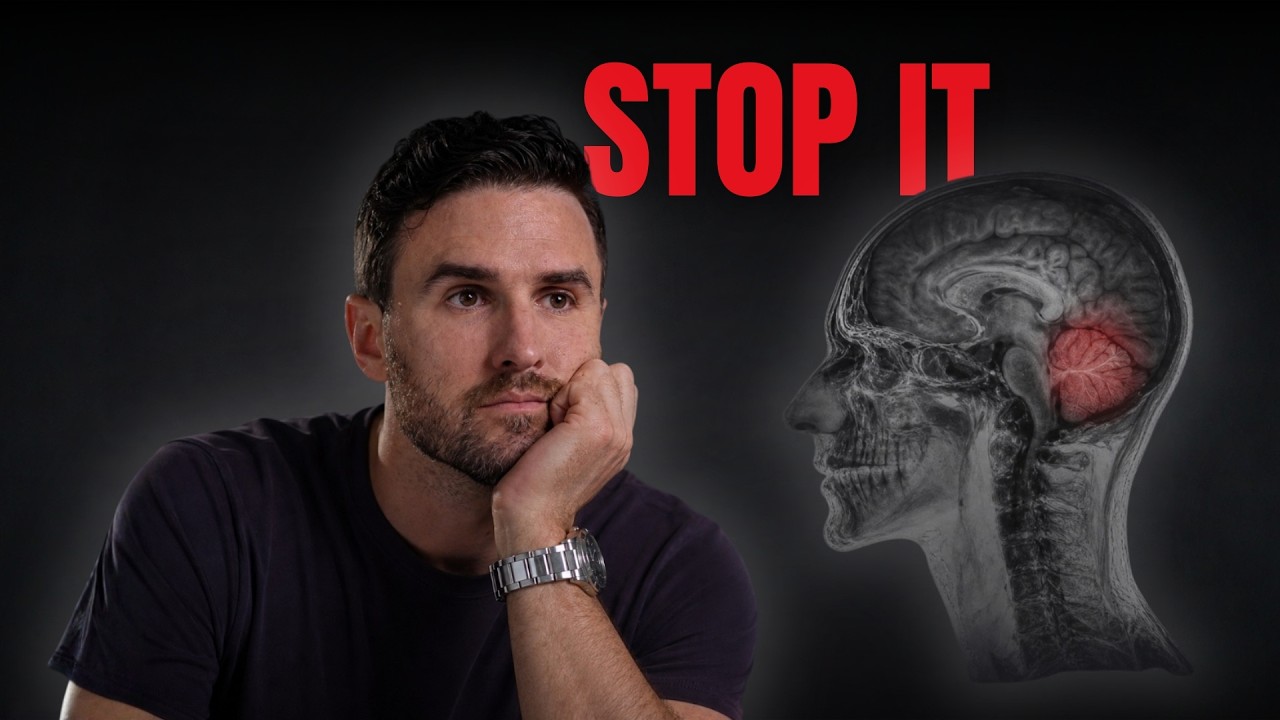
This video from The Mindset Mentor Podcast explores the concept of self-sabotage, its mechanisms, and strategies to overcome it. The speaker explains that self-sabotage is a brain strategy to protect one’s identity, often causing procrastination and negative self-talk. Key takeaways include understanding the reasons behind self-sabotage, the importance of discipline as self-love, and actionable steps to create a new, empowered identity.
- Self-sabotage is a protective mechanism related to one’s identity.
- Discipline is framed as an act of self-love that counters self-sabotaging behaviors.
- Identifying and naming sabotaging thoughts can help individuals take action and shift their identities positively.
Why You Self-Sabotage
Self-sabotage occurs when individuals start to make progress but then procrastinate or lose motivation, feeling frustrated with themselves. The speaker emphasizes that this behavior is not due to any personal flaw but is a strategy the brain uses to safeguard one's identity. As people attempt to change, their perceived self threatens their established beliefs, triggering self-sabotage.
The 3-Part Self-Sabotage Playbook
To combat self-sabotage, it’s essential to understand its mechanics. The speaker outlines a three-part playbook: understanding why self-sabotage exists, what kills it, and recognizing real-time mental playbooks that prevent growth. Recognizing that self-sabotage is a natural response can empower individuals to overcome it.
Self-Sabotage Protects Your Identity
Self-sabotage functions to maintain a consistent self-identity. The speaker elaborates on cognitive dissonance, a psychological phenomenon where conflicting beliefs and actions create discomfort, prompting the brain to revert to familiar patterns. Therefore, self-sabotage often occurs as individuals approach meaningful changes that challenge their established self-concept.
Cognitive Dissonance Explained
The speaker cites psychologist Leon Festinger, who introduced the concept of cognitive dissonance, explaining that when actions contradict an individual's beliefs, it creates internal discomfort. To reduce this discomfort, individuals usually either revert to previous behaviors or change their beliefs, with the former being the easier and more common response.
Why Your Brain Pulls You Back
As individuals attempt to discipline themselves, their ingrained identity often fights back. The brain's mechanism is analogous to a thermostat, pulling back to the previous setting to maintain the status quo when change poses a threat to one’s self-perception.
The Thermostat Effect of Identity
The "thermostat effect" describes how individuals revert to familiar states when their environment or behavior becomes too challenging, thereby protecting their self-image. The speaker stresses that self-sabotage is not a personal failing but rather a byproduct of this protective mechanism.
Why You Really Self-Sabotage
The core reason behind self-sabotage is the proximity to real change, causing individuals to panic and revert to old habits to protect their identity. The speaker encourages individuals to redefine self-sabotage as a response to progress rather than a sign of apathy.
Discipline Is Self-Love
Discipline is redefined as the highest form of self-love, contrasting with common perceptions of punishment. The speaker discusses how discipline is essential for engaging in positive behaviors, while individuals naturally tend to gravitate toward easy or unhealthy choices without the need for discipline.
Temporary Restriction, Permanent Freedom
The speaker explains that temporary restrictions imposed by discipline lead to long-term freedom. The act of saying no to immediate gratification builds a foundation for future benefits, such as financial stability and physical health.
Hard Now or Hard Later
Life presents a choice: face discomfort now through discipline or experience greater hardship later due to lack of action. The speaker advocates for enduring short-term challenges to ensure a desirable future, asserting that the effort today shapes tomorrow's outcomes.
8 Strategies of Self-Sabotage
The speaker outlines practical self-sabotaging behaviors, such as overthinking, procrastination, and negative self-talk. Recognizing these as strategies employed by one’s identity can empower individuals to address them rather than be controlled by them.
How Self-Sabotage Keeps You Stuck
Self-sabotage occupies mental space, leading to feelings of overwhelm and inaction. The speaker emphasizes that these strategies don’t arise from incompetence but as protective mechanisms to maintain identity and comfort.
The Real Reason You Procrastinate
Procrastination is linked to emotional regulation; individuals delay tasks to avoid uncomfortable feelings associated with cognitive dissonance. The speaker highlights that understanding this mechanism is crucial to overcoming procrastination.
How to Break the Self-Sabotage Cycle
To disrupt self-sabotage, individuals must recognize and name their behaviors, creating a mental distance between themselves and their thoughts. This awareness allows for proactive engagement in behaviors that contradict former identity strategies.
Build a New Identity Through Action
The speaker suggests taking small steps towards a desired identity, collecting evidence and momentum to fortify the new self-concept. By continually acting against the old identity, one can effectively diminish self-sabotaging tendencies and foster personal growth.

