
Brief Summary
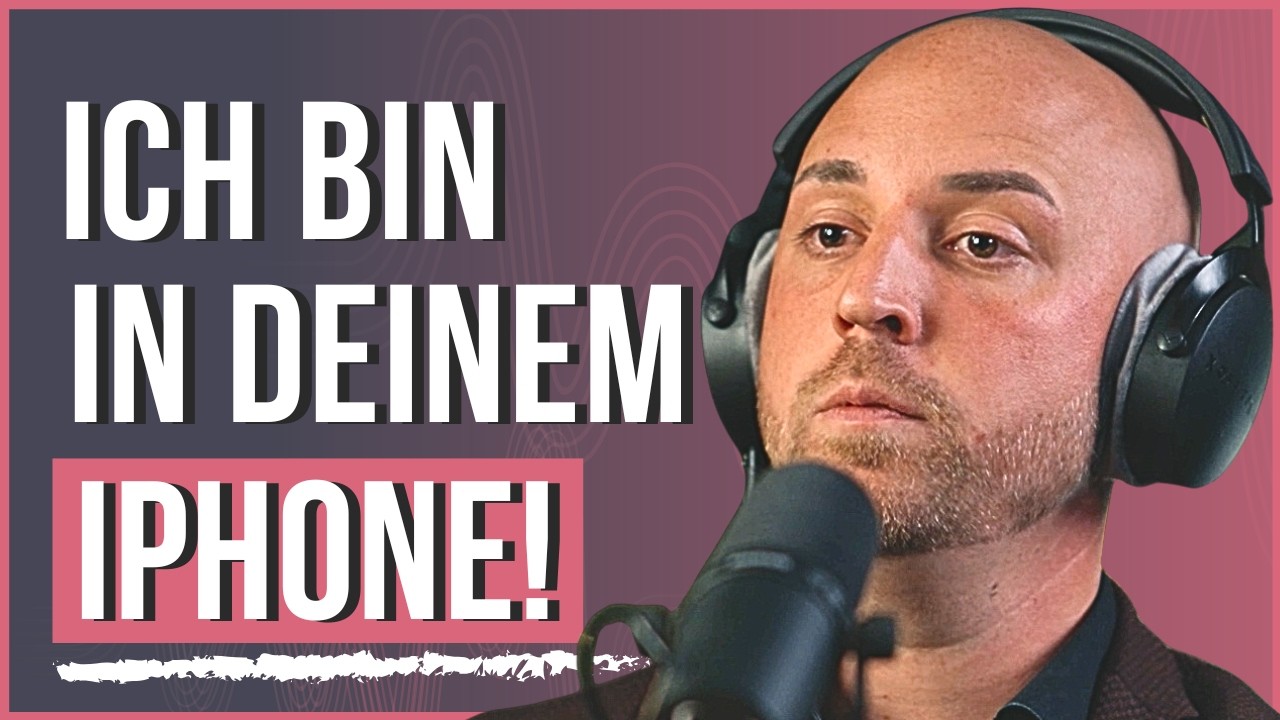
The video discusses various aspects of cybersecurity and hacking techniques, featuring Florian Hansemann, a former military hacker turned IT security expert. Key points include:
- Methods hackers use to attack individuals and organizations.
- The importance of understanding attackers’ techniques to defend against them.
- Personal anecdotes and real-world cases of security breaches.
- Insights on preventive measures and the future of IT security.
Intro
The video begins by introducing the host and his guest, Florian Hansemann, an experienced hacker and IT security expert. They discuss how hackers work and the damages that can occur from security breaches. The host shares a personal story about a significant hacking incident he experienced, emphasizing the need for awareness and understanding of security strategies.
Die häufigsten Angriffsmethoden
The chapter highlights common hacking methods, including phishing and social engineering. Florian explains how attackers often impersonate trusted entities such as banks to gain sensitive information. By using techniques such as caller ID spoofing and creating convincing email scams, they manipulate targets into providing access to personal data.
Technische Angriffsvektoren
This section discusses technical attack vectors, focusing on the tools and techniques that hackers employ to exploit vulnerabilities in systems. Florian explains the use of malicious file types, such as PDFs and Excel attachments, and how they can deliver malware to compromise systems. Additionally, he covers the significance of maintaining up-to-date software to protect against these vulnerabilities.
Staatliche Hacker: Geheimdienste und Ransomware-Gruppen
Florian shares insights into the operations of state-sponsored hackers and ransomware groups, detailing how these attackers operate on a larger scale. The discussion emphasizes the financial impact of ransomware attacks on businesses and the intricate strategies used to extort money from organizations, which can significantly exceed their overall revenues.
Schutzmaßnahmen: Wie man sich richtig verteidigt
In this chapter, prevention measures are discussed. Florian stresses the importance of using multi-factor authentication, maintaining strong passwords, and ensuring that software is updated regularly. He advises viewers to be vigilant and approach unsolicited messages and calls with skepticism to minimize exposure to attacks.
Datensouveränität und die Zukunft der IT-Security
The conversation shifts to data sovereignty and the potential changes in IT security practices as more organizations aim to move away from dependence on American tech giants. Florian discusses the move of some institutions, like Schleswig-Holstein, to adopt open-source solutions for enhanced cybersecurity and the challenges of transitioning to these systems.
Vom Militär zum Unternehmer: Florians Weg in die Cybersecurity
Florian narrates his journey from a military hacker to an entrepreneur in cybersecurity. He explains his career choices, the skills he acquired, and how he adapted to the civilian cybersecurity landscape. He discusses the contrasts between military and private sector security focuses and the increased demand for cybersecurity expertise in today's digital world.
Eine letzte Frage
The chapter concludes with a personal question from the host about what Florian would write on a note if he woke up with amnesia. His response reflects his belief in following one's passion, emphasizing the importance of staying true to interests and values in one's career. The conversation wraps up with final thoughts on the cybersecurity landscape and its evolving challenges.

