
Brief Summary
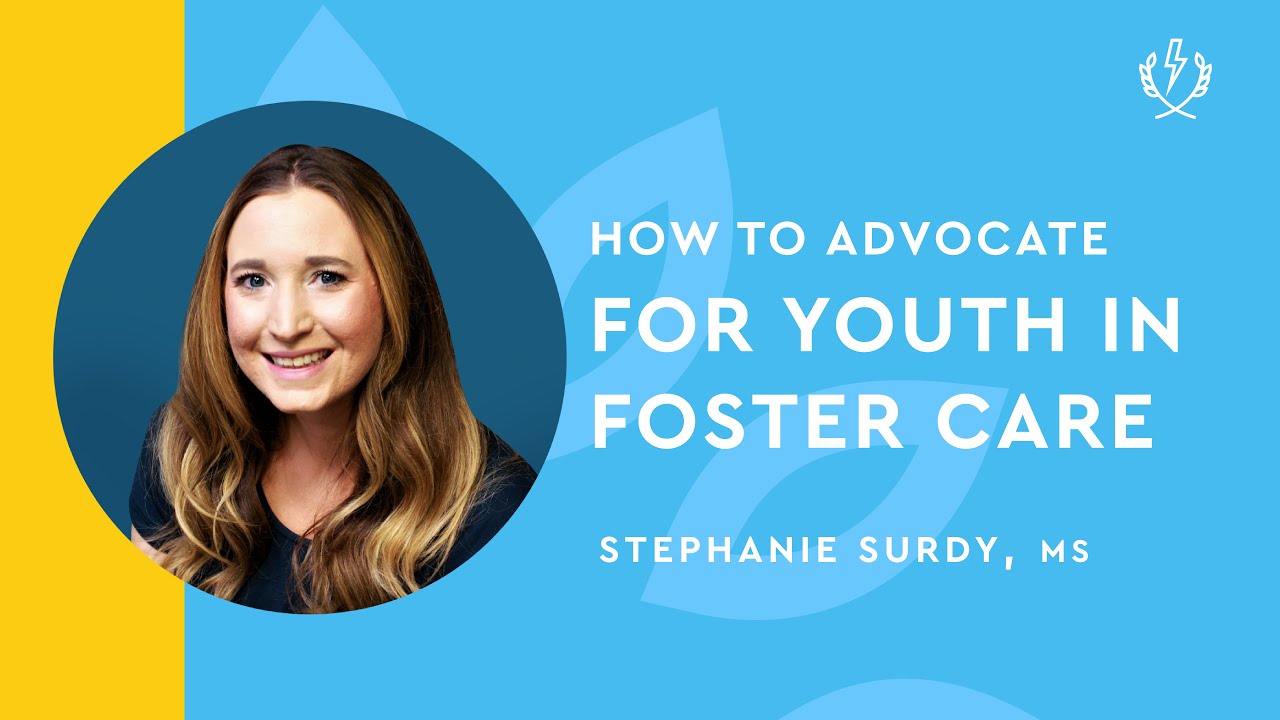
This webinar focuses on understanding and supporting children in the foster care system, particularly through a mental health lens. The speaker shares insights from her 18 years of experience in the mental health field, emphasizing the importance of recognizing trauma and reframing negative behaviors as responses to stress.
- Engage in activities like breathing exercises to promote emotional regulation.
- Acknowledge the significance of attachment and building relationships with foster children.
- Offer practical strategies for working with challenging behaviors like lying, stealing, and rages.
- Encourage the need for mental health interventions and support for both foster children and their caregivers.
Introduction and Housekeeping
Amber Letcher welcomes attendees to the webinar focused on the foster care system and introduces speaker Stephanie Surdy, who shares housekeeping items like submitting questions and the availability of handouts and surveys. The audience is invited to share their roles related to the foster care system to tailor the presentation.
Speaker Introduction and Background
Stephanie Surdy shares her background in mental health, emphasizing her 18 years of experience and her work as a children's mental health case manager in Minnesota. She discusses her education in marriage and family therapy and highlights her early experiences with a family involved in adoption that shaped her understanding of foster care.
Understanding Trauma and Behavior
Surdy invites participants to share their perspectives on foster children, focusing on terms associated with trauma. She stresses the need to shift perspectives from viewing behaviors as problems to understanding them as symptoms of trauma. Surdy outlines common reasons children enter foster care, including neglect and abuse, advocating for a trauma-informed lens.
Building Connection and Safety
Surdy emphasizes the importance of building connections with foster children before attempting to correct their behavior. She provides techniques for creating a sense of safety, including establishing routines and boundaries, to help children feel more comfortable and secure in their new environments.
Identifying and Addressing Challenging Behaviors
The discussion shifts to common challenging behaviors in foster children, including lying, stealing, and rages. Surdy advises understanding these behaviors through a trauma lens, emphasizing their roots in survival rather than malice. She illustrates the significance of not personalizing these actions and instead working toward logical consequences.
Strategies for Managing Dysregulation
Surdy addresses how many children in foster care struggle with emotion regulation. She introduces strategies to assist in co-regulation, including mindfulness and breathing exercises, reinforcing the necessity of staying calm and helping children find ways to regulate their emotions appropriately.
Mental Health Support and Interventions
The need for mental health support for foster children is emphasized, with Surdy recommending outpatient therapy and attachment-based therapy. She advocates for understanding each child's unique needs and the importance of having resources in place to aid both children and foster parents.
Wrap-Up and Questions
The session concludes with a question-and-answer segment, where Surdy addresses specific queries from attendees about various situations regarding youth, including LGBTQ considerations, autism, and practical interventions for challenges like bedwetting. She stresses the importance of acceptance and understanding in fostering a supportive environment for all children.

