
Brief Summary
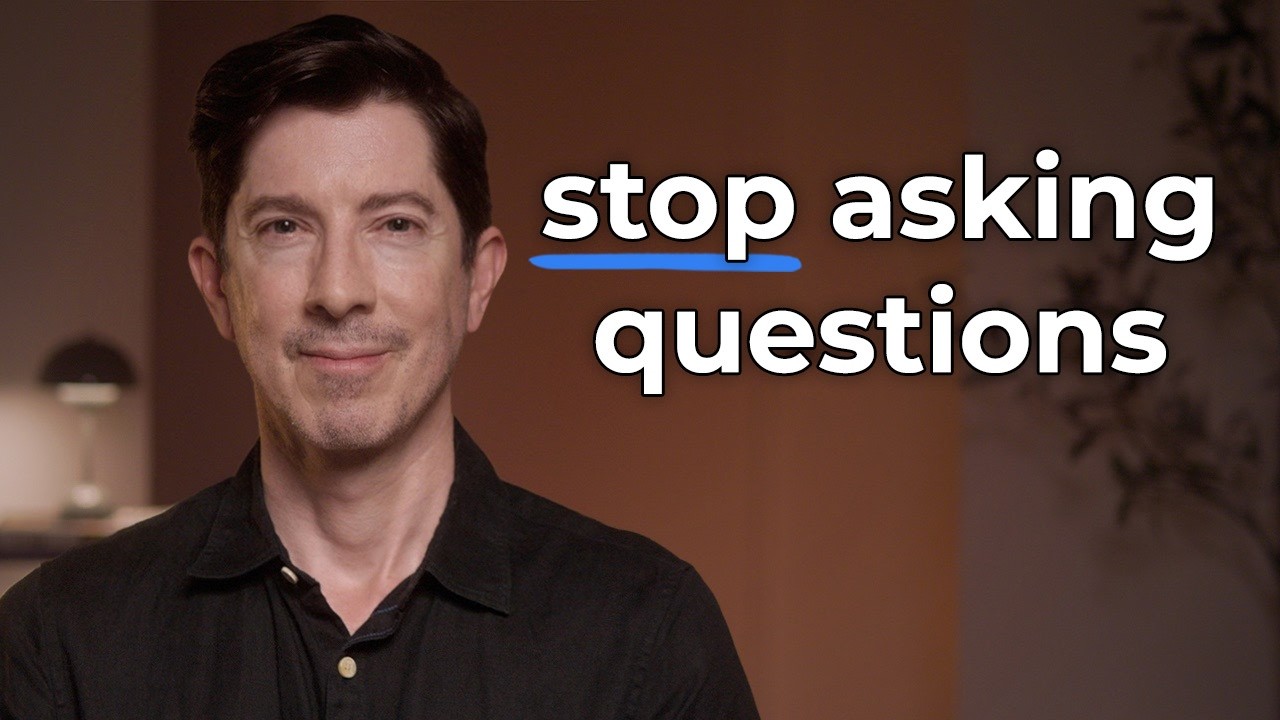
In this video, Dr. Thomas Smithyman explains how to enhance conversations by sharing more about oneself to create deeper connections. He introduces the bubble method, which consists of four key strategies to engage in meaningful conversations without oversharing or being monotonous.
- The importance of balancing questions with personal sharing.
- Introductory tips on how to talk about yourself authentically.
- The four components of the bubble method for engaging conversations.
Introduction to Effective Conversation
Dr. Thomas Smithyman discusses how being the person who always asks questions can lead to surface-level interactions. While people enjoy talking about themselves, only asking questions can result in dry conversations and limits on personal connection. He emphasizes the need for sharing personal experiences to create a balanced and engaging dialogue.
Avoiding Oversharing
Sharing about oneself should begin with less intense topics at a surface level and then gradually engage in deeper conversations. Dr. Smithyman suggests focusing on personal, non-private topics to connect better, highlighting that depth in conversation is earned and should be matched by trust.
The Downside of Flat Answers
Dr. Smithyman shares an example of a coworker who encountered frustration on a date when her partner avoided sharing personal information. He explains how providing only factual answers can close conversational doors and stifle engagement. Instead, one should aim to share ordinary details in a more compelling manner.
Bubble Method Introduction
The bubble method combines storytelling elements with principles of human connection to make conversations more engaging. Dr. Smithyman emphasizes that the goal is not just to entertain but to facilitate true connection through meaningful engagement.
Adding Depth with "Because"
To deepen conversations, Dr. Smithyman suggests adding the word "because" to explanations, which helps reveal motivations behind actions. He illustrates this with a personal example about moving to New York City, showcasing how explaining "why" makes interactions more engaging.
Creating Curiosity with Complexity
Dr. Smithyman discusses how presenting contradictions or complexities can maintain interest and engagement in a conversation. He stresses the importance of revealing personal peculiarities that may not be immediately apparent, helping to create a more dynamic dialogue.
Bringing in Motion
Engaging conversations also involve a sense of motion. Dr. Smithyman encourages sharing current activities rather than stating past experiences, making responses more dynamic. Illustrating this with varied examples allows conversationalists to communicate ongoing experiences.
Personalize Abstract Thoughts
For effective communication, abstract ideas should be made tangible. Instead of generic statements, adding context about experiences can help listeners visualize and connect with the speaker's world better. Dr. Smithyman emphasizes using specific examples to convey more relatable narratives.
Using "For Example" to Enhance Engagement
Dr. Smithyman introduces the final component of the bubble method, where using "for example" helps add specificity to statements. This approach enhances engagement by encouraging listeners to visualize concepts, making them more relatable.
Importance of Active Listening
The video concludes with the significance of being an attuned speaker in addition to being a good listener. Awareness of how responses are received can help tailor the conversation to strengthen connections. Dr. Smithyman reiterates that both sharing and listening play vital roles in fostering deeper interactions.

