
Brief Summary
This video explores the significance and practicalities of forensic science in crime investigation, highlighting its role in the criminal justice system and how it differs from the dramatized versions often seen in media. The key points include:
- Forensic science combines various natural sciences to solve real-world crime problems.
- It requires familiarity with legal processes and aims to debunk public misconceptions fueled by entertainment.
- The series will cover different types of evidence and analyses within forensic science to enhance understanding.
Introduction to Forensic Science
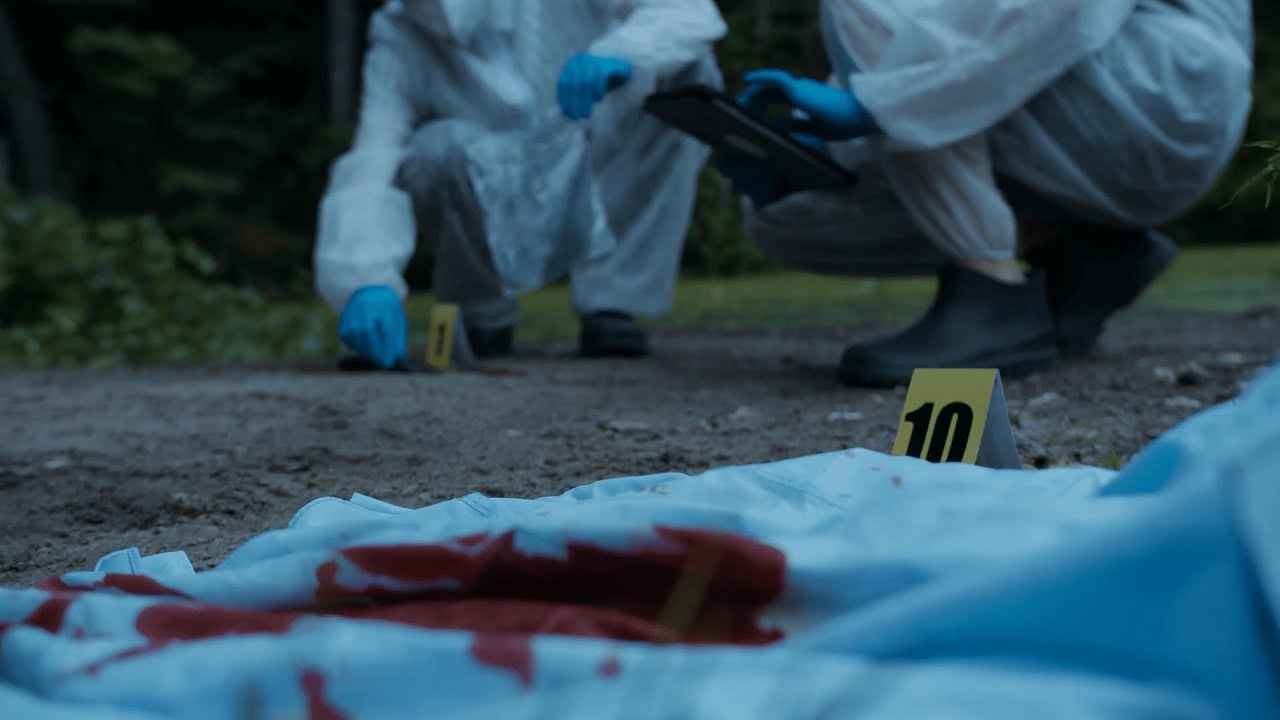
The video opens by addressing the popularity of crime-based TV shows and movies, explaining how they cater to a natural curiosity for suspense and mystery. It discusses the unrealistic portrayal of forensic procedures in entertainment media, creating misperceptions about crime investigations. Forensic science is defined as a practical application of various scientific fields to investigate crimes, aiming to establish connections between victims, suspects, and crime scenes.
Nature of Forensic Science
It emphasizes that forensic science is an applied branch of science that thrives on observation and logical reasoning. The term "forensic" has Latin roots meaning "belonging to debate," highlighting the uncertain nature of investigations reliant on reasoning. Forensic science plays a crucial role in the criminal justice system by helping gather and analyze evidence to determine a suspect's guilt or innocence.
Forensic Science in the Legal System
The video highlights the responsibility of forensic scientists to understand legal processes and communicate findings clearly in court. Their testimony is vital as it can significantly influence case outcomes. Forensic science's importance lies in its practical impact on justice, as it serves to bridge the gap between scientific inquiry and legal proceedings.
Overview of Forensic Investigation
The speaker outlines the series' structure, which will cover the fundamentals of crime and forensic principles before exploring various types of evidence analysis. Areas of focus include impression evidence, forensic biology, questioned documents, forensic physics, ballistics, chemistry, toxicology, forensic medicine, and anthropology. The series aims to provide insights for students of forensic science and those curious about the intersection of various scientific fields with crime investigation.
Using Forensic Science in Crime Investigation
The series promises to illustrate different forms of evidence and investigations related to each domain, while also providing graphic examples when necessary. It aims to serve both forensic science students and general audiences interested in the science behind crime-solving, enriching their understanding of how to differentiate between accidents, crimes, and natural deaths.
Conclusion and Future Learning
The video concludes by inviting viewers into the fascinating world of forensic science, encouraging them to learn more about its intricate processes in investigating crimes and delivering justice, offering both educational value and entertainment for fans of crime stories.

