
Brief Summary
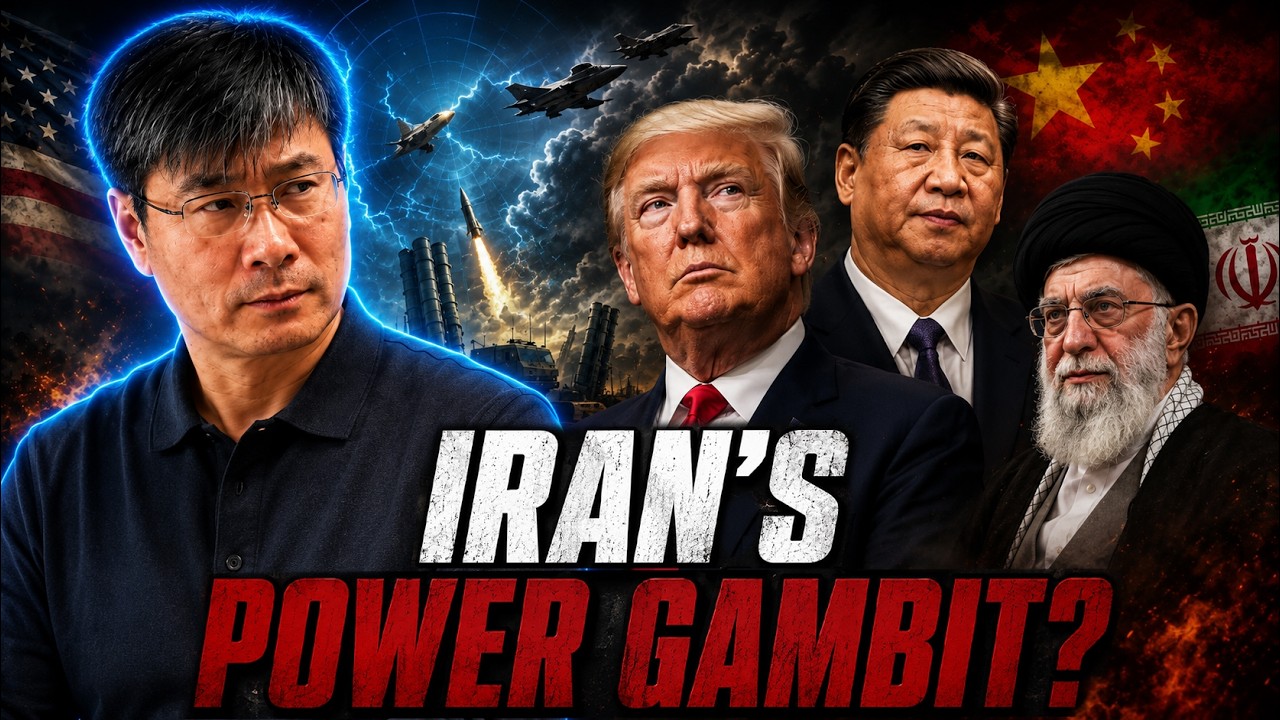
The video discusses the escalating conflict between the United States and Iran, focusing on recent statements and military actions by President Trump and their implications. Key points include Trump’s declaration that “it’s our turn,” indicating a shift in military strategy, and the concerning state of U.S. military resources amid ongoing strikes against Iranian targets. The video examines three critical truths about the conflict: Iran's preemptive strike strategy, their expansion of war efforts beyond the Persian Gulf, and the ineffectiveness of U.S. strategies to dismantle Iran's military alliances. The content also outlines two traps the U.S. faces: the asymmetric attrition trap and the reputation trap, both creating a feedback loop that complicates the conflict further.
- Trump signals a unified military approach against Iran.
- Recent escalations raise strategic questions about U.S. military readiness and political maneuvers.
Escalation of Conflict
The video opens with President Trump stating it’s “our turn,” suggesting a confident response to Iran. He emphasizes that America’s ammunition covers are full, reflecting a readiness for military action. On the same day, U.S. Central Command (CentCom) announces intensified strikes against Iran, marking a historic partnership with Saudi Arabia that leads to joint military actions for the first time. Meanwhile, discussions with Israeli Prime Minister Netanyahu focus on comprehensive military goals against Iran, including potential regime change.
Understanding the Narrative
The mainstream media frames the conflict as an escalation between two sides, with cyclical airstrikes and retaliations. However, the narrator challenges this perspective, stressing the need to understand how this trap will end. Analyzing recent attacks and a newly signed secret military order by Admiral Brad Cooper, a concerning picture emerges that differs from what is publicly reported.
Three Truths About Iran's Strategy
First, Iran has shifted its tactics by launching a preemptive strike against U.S. bases instead of merely responding to provocations. This aims to force the U.S. into a decisive choice between serious negotiations or significant escalation. Second, Iran is extending the theater of war beyond the Persian Gulf, targeting Mediterranean energy supplies, crucial for Europe. Third, the U.S. strategy of dismantling Iran’s military influence is failing, as proxy forces remain active and adaptive in various regions.
Traps in Conflict
The video outlines two significant traps. The asymmetric attrition trap highlights the differing costs each side faces; for instance, Iran's lower missile production costs compared to America’s high interceptor costs create an unsustainable military dynamic. The second, the reputation trap, shows that Trump's commitment to military action stems from political pressures that force him to appear strong despite dwindling resources.
Consequences of Current Actions
As the U.S. engages in military operations without clear congressional oversight, there are new developments indicating a substantial change in the region. Iran’s recent missile capabilities and strategic responses warn of escalating conflict, while Saudi Arabia's involvement turns it into a legitimate target under Iranian rules of engagement. This complicates the situation for U.S. military operations.
Implications of Supply and Strategy
The video discusses the current shortages in U.S. military supplies and how Iran continues to strategize effectively, including intelligence gathering from U.S. soldiers via social media. This points to an alarming trend where American assets are more exposed, indicating weaknesses despite repeated claims of military strength. The political situation is intertwined with the need for electoral support, complicating strategic decisions.
Looking Ahead: Key Indicators
The narrator suggests five significant signals to watch in the upcoming days. Factors such as Iranian permission for vessels to transit the Strait of Hormuz, potential attacks on Kuwait, Saudi infrastructure, and strikes on European LNG facilities will provide insight into the evolving conflict. The implications of domestic elections in the U.S. are paramount, with decisions made under pressure to maintain political favor exacerbating the situation.
Final Thoughts and Homework
The conclusion emphasizes critical reports and events that should be examined to better understand the conflict's trajectory. Recognizing the complexity of the conflict, the narrator warns that the U.S. military's strategic limitations and political calculations could lead to further entrenchment in an unwinnable situation, with Iran finding ways to exploit these vulnerabilities.

