
Brief Summary
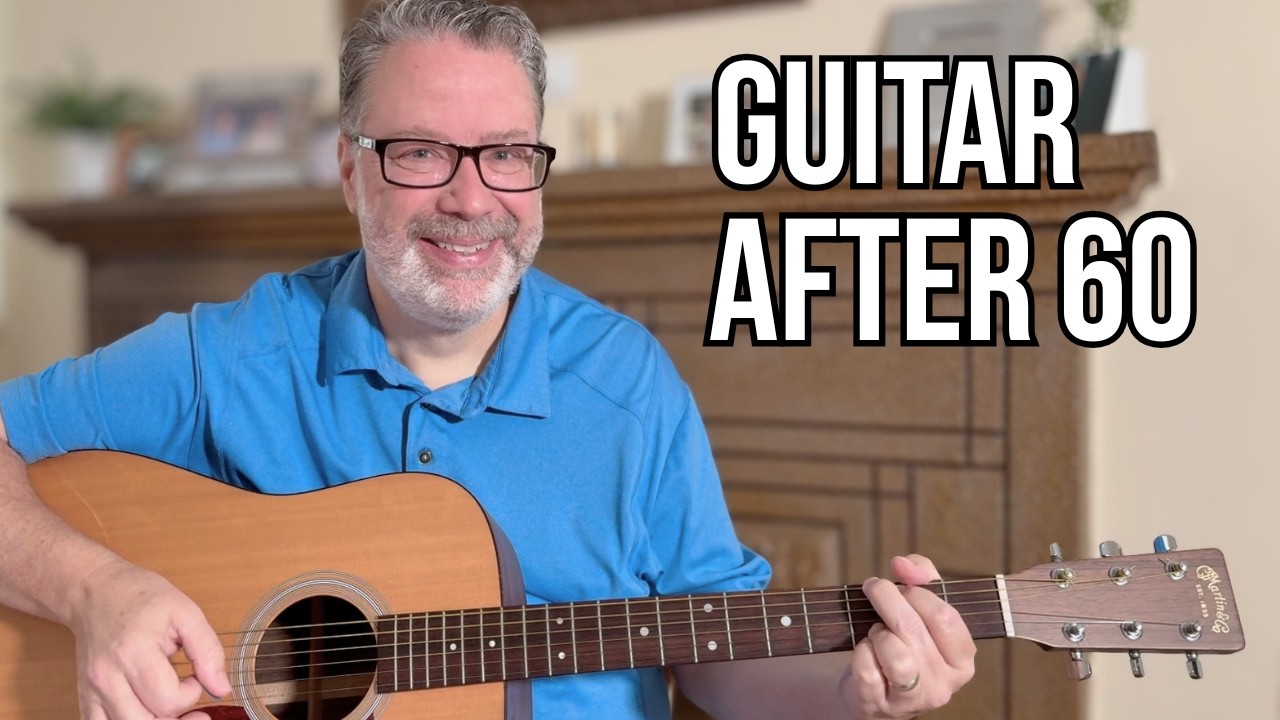
This video discusses how individuals over 60 can successfully learn guitar by implementing five key strategies tailored for older beginners.
- Learning methods may need adjustments for older adults.
- Success doesn't require expert-level skills; enjoyment is key.
- Short, frequent practice sessions are more effective than long, infrequent ones.
- Adapt the guitar to your comfort rather than forcing adjustment.
- Focus on personal progress instead of comparing with seasoned players.
Intro
Kevin, the presenter, opens the video by reassuring viewers that learning guitar after 60 is absolutely possible. He mentions the need to approach learning differently and highlights his experience in teaching older adults, setting the stage for the five key insights he will share.
Number 1
Older learners may find that their learning experience differs from younger beginners. Transitioning between chords or developing rhythm may require more time and repetition. However, older adults often display greater patience, discipline, and a strong connection to the music they grew up with, which can enhance their learning experience. Realistic expectations and understanding that progress is measured through practice are emphasized as positive traits in older learners.
Number 2
Defining what "good" means on the guitar is crucial for older learners. They should focus on personal enjoyment rather than striving for mastery. Whether it's playing a few favorite songs, maintaining a pastime to unwind, or challenging themselves with new sounds, the objective should prioritize personal satisfaction over expertise.
Number 3
Regular practice, even if for shorter durations, is important. Spending 15 minutes a day can yield better results than longer sessions done sporadically. Recommended practice approaches include starting with finger exercises, focusing on specific chord changes, and concluding practice with enjoyable songs. This method encourages consistency and builds muscle memory over time.
Number 4
Older learners are encouraged to adapt the guitar to their needs, making it easier and more comfortable to play. It's acceptable to simplify chord shapes, slow down tempos, and use tools like a capo for convenience. The focus should be on playing comfortably, progressing at a personal pace, and finding ways to make playing enjoyable without the pressure of perfection.
Number 5
The final point highlights the importance of not comparing oneself to more experienced players. Instead of focusing on the skills others have, learners should assess their own progress. Recording and reviewing personal growth can provide motivation. The goal for older guitarists should be to enjoy their current skill level while gradually improving their abilities.

