
Brief Summary
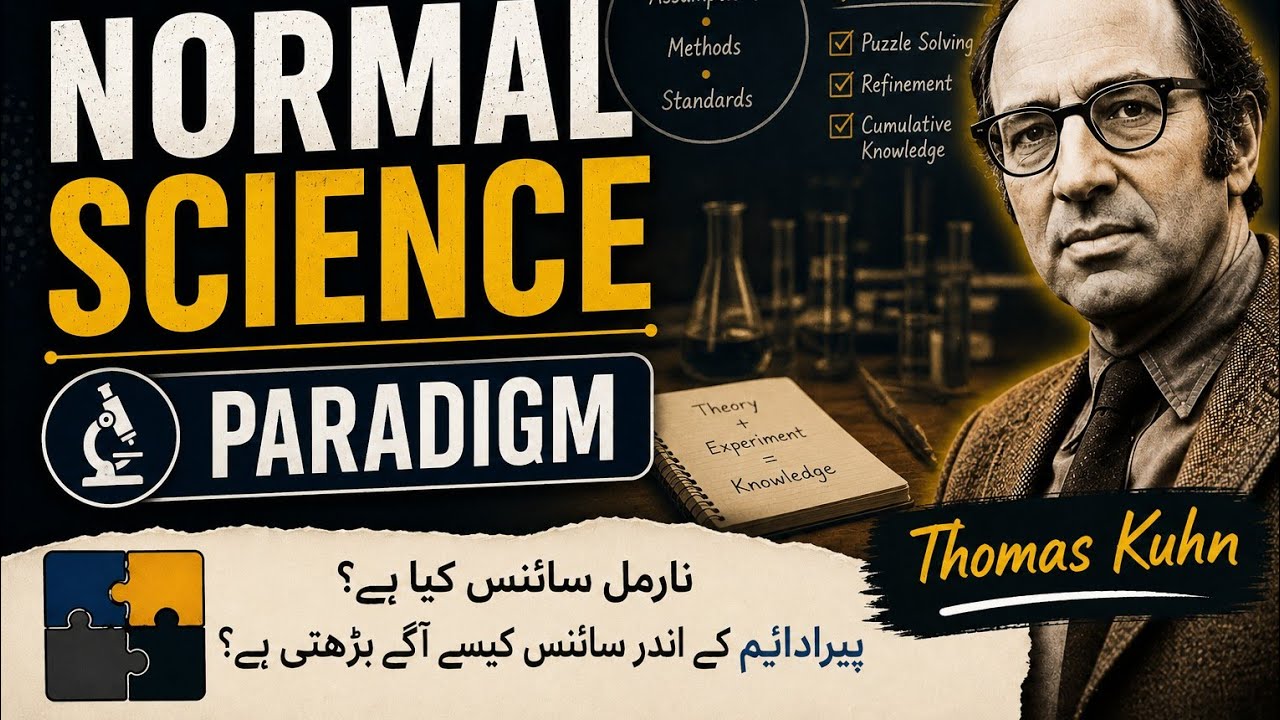
The video discusses critical thinking in the context of science, highlighting how scientists often accept certain theories as truths without questioning them. It emphasizes the importance of understanding "normal science" and how paradigm shifts occur in scientific discourse. The speaker references historical figures and concepts related to science, suggesting that many accepted ideas remain unchallenged over time. The content aims to encourage viewers to rethink and question established norms in science and education.
- Critical thinking is crucial in science.
- Many scientific concepts are often taken for granted.
Introduction to Progressive Education
The video welcomes viewers to the discussion on progressive education. It introduces the topic of critical thinking in modern science and sets the stage for exploring how traditionally accepted ideas are often questioned or challenged.
Critical Thinking Overview
The speaker provides an overview of critical thinking, asserting that it is not merely about accepting what is told but about questioning and understanding ideas deeply. This critical approach forms the basis for scientific inquiry and is contrasted with passive acceptance.
Science and Acceptance
The discussion shifts to the nature of science, illustrating that many concepts are accepted without challenge. This observational trend in science leads to stagnation and limits innovation. The speaker emphasizes that scientists may often overlook critical questioning of what is deemed "normal."
History of Science
The historical context of scientific exploration is examined. The speaker reflects on how past scientists established norms through achievements that later became entrenched in scientific thought. These historical influences shape current scientific paradigms.
Understanding Normal Science
"Normal science" is characterized as standard practices within established paradigms. The speaker explains that this phase is where most scientific work occurs, but it often ignores anomalies that could lead to significant discoveries and shifts in understanding.
Challenges to Normal Science
The video discusses how normal science can lead to resistance against new ideas. It highlights examples where established theories remain unchallenged, despite evidence to the contrary. The speaker encourages viewers to critically evaluate these accepted notions.
Examples of Scientific Paradigms
The speaker provides historical examples of scientific figures, such as Socrates, and discusses how their contributions were initially met with resistance. These examples illustrate the challenges faced by those who question accepted scientific truths.
Conclusion and Next Steps
The video concludes by encouraging viewers to adopt a critical mindset when engaging with scientific concepts. The speaker hints at upcoming discussions that will further explore how scholarly approach can influence the perception of scientific knowledge and innovation.

