
Brief Summary
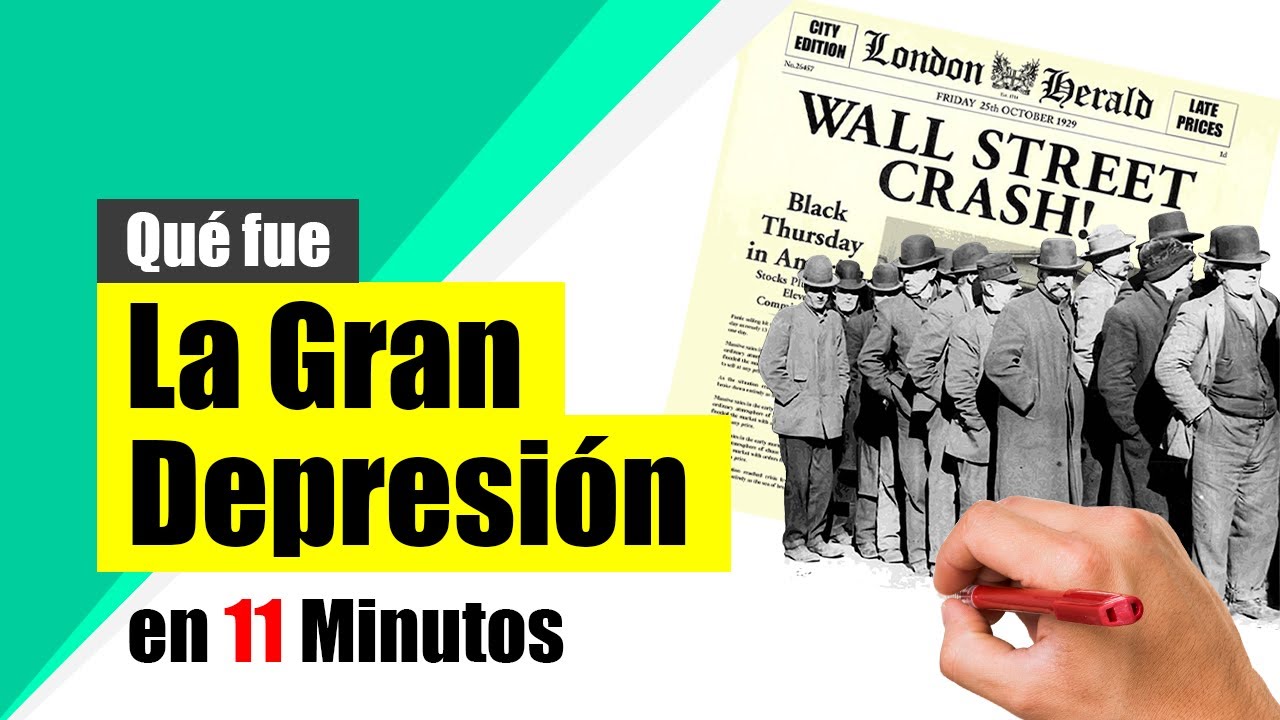
The video discusses the Great Depression of 1929, detailing its causes, effects, and the socio-political aftermath it produced. This significant economic downturn affected countries worldwide, leading to immense unemployment and social unrest, paving the way for radical political movements.
- The Great Depression began in 1929 and lasted throughout the 1930s, impacting economies globally.
- Key contributors to the crisis included the collapse of domestic economies and the U.S. stock market crash, leading to widespread unemployment and civil disorder.
- The political landscape shifted dramatically as individuals turned to radical ideologies, including fascism and communism, as solutions to their economic struggles.
The Onset of the Great Depression
In the late 1920s, the world witnessed the beginnings of the Great Depression, one of the most severe economic crises in history. This crisis struck in 1929 and persisted through much of the 1930s, affecting both industrialized and poorer nations. It led to significant economic devastation, particularly in the United States and Europe, resulting in widespread poverty and high unemployment. This widespread discontent set the stage for the rise of radical political parties and ultimately contributed to the outbreak of World War II.
The Economic Context Preceding the Depression
Historically, the 18th and 19th centuries saw European economies thriving due to the Industrial Revolution and expanded international trade. Nevertheless, despite experiencing various economic crises during this period, Europe continued to see growth until World War I disrupted this trend. After the war, the economy suffered due to inflation and high unemployment rates until American investments aided recovery in 1924, fostering a brief period of prosperity that was ultimately fragile.
Factors Leading to the Great Depression
Two critical factors triggered the Great Depression: the collapse of domestic economies and an international financial crisis, primarily initiated by the failure of the U.S. stock market. Economic troubles began in the mid-1920s, with declining agricultural prices due to overproduction and harmful tariffs imposed by some European countries that shut their markets. The economic recovery in Europe from 1924 to 1929 relied heavily on U.S. bank loans, which began retracting when American investors opted to invest in the New York stock market, leading to an inevitable crash.
Impact of the Depression on Employment and Society
The Great Depression had severe implications for employment, with unemployment rates soaring in various countries. By 1932, one in four people in the UK and 6 million in Germany were jobless. Major industrial outputs plummeted in both nations, and cities filled with unemployed individuals and the homeless led to social unrest. Aid centers struggled to meet the needs of those seeking food, contributing to rising crime and social turmoil as young unemployed individuals turned to violent groups.
Government Responses to the Crisis
Initially, governments reacted inadequately to the crisis through measures like cutting costs, lowering wages, and raising taxes. These failed strategies only worsened economic conditions and increased public discontent. In response to mounting pressures, governments eventually shifted to a more interventionist approach, enhancing state involvement in economic activities characterized by public works and job creation, marking a new form of capitalism.
Political Repercussions of the Great Depression
The social unrest and dissatisfaction led many to examine Marxist doctrines, particularly the idea that capitalism could self-destruct through overproduction. Consequently, workers and intellectuals began finding appeal in communist ideologies. Additionally, radical parties like fascism and the Nazi Party gained traction by leveraging nationalistic rhetoric, resulting in authoritarian regimes marked by repression and violence, steering Europe toward another global conflict.

