
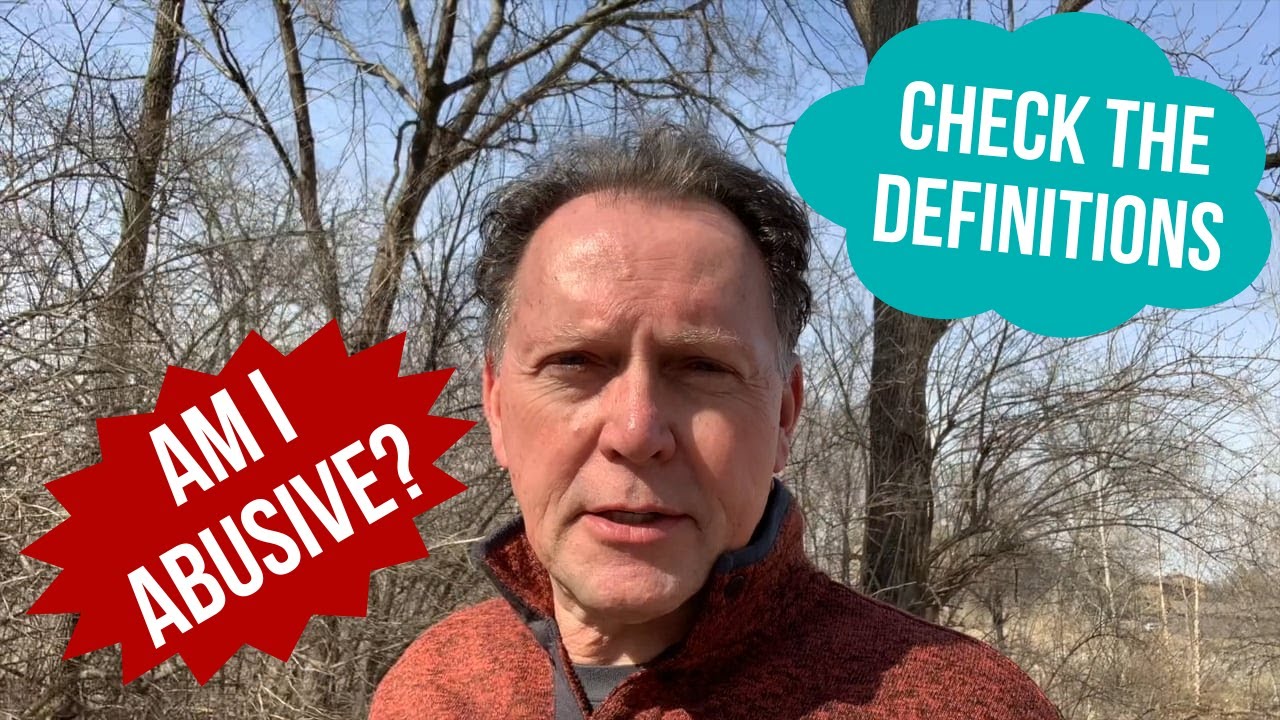
Brief Summary
The video explores the detrimental patterns in relationships, focusing primarily on the definitions and types of abuse that can occur. It emphasizes the importance of recognizing unhealthy behaviors and understanding how to create and maintain healthy relationships.
- Relationships can provide companionship, intimacy, and support but may also involve conflicts and harmful behaviors.
- Abuse can take various forms, including physical and emotional abuse, and recognizing these patterns is crucial for ensuring personal safety and well-being.
Understanding Relationships
The video starts by discussing the positive aspects of relationships, such as companionship and intimacy, while acknowledging that conflicts and harmful behavior can arise. The host, Michael Clark of the Ananias Foundation, aims to educate viewers about different behavior patterns that may lead to abusive situations.
Defining Abuse
Michael explains that abuse is the mistreatment that causes harm, particularly in domestic settings. This section highlights various forms of domestic abuse, including elder, child, and partner abuse, with a focus on partner abuse for the remainder of the video.
Forms of Abuse
The types of abuse are broken down into two main categories: physical and emotional abuse. Physical abuse encompasses actions such as hitting, slapping, or any violent physical interaction. Threatening behaviors, even without physical contact, also qualify as physical abuse.
Emotional Abuse
Emotional abuse is defined and examined, including behaviors like controlling a partner’s time, money, or choices. Jealousy, intimidation, making threats, and gaslighting—causing a partner to question their reality—are discussed among the types of emotional abuse.
Components of Healthy Relationships
The video transitions to explore the characteristics of healthy relationships, emphasizing shared interests, open communication, mutual respect, trust, equality, consensual sex, and supportive parenting. These qualities are essential for fostering a safe, loving partnership.
Recognizing Your Situation
This chapter prompts viewers to self-reflect on their relationships, encouraging those in harmful situations to seek safety and set boundaries. It stresses the importance of addressing unhealthy behavior and establishing consequences.
Taking Action for Change
The conclusion highlights that change is possible and that recognizing harmful behavior helps not only the partner but also the relationship itself. Michael reassures viewers that resources and support for change, including those provided by the Ananias Foundation, are available.

